
Airport-adjacent venues that save a whole travel day
For a one-day meeting with fly-in attendees, an airport venue can hand you back a full day of travel and a few thousand dollars in hotel nights. Here is when it works, when it backfires, and the drive-time math that decides it.
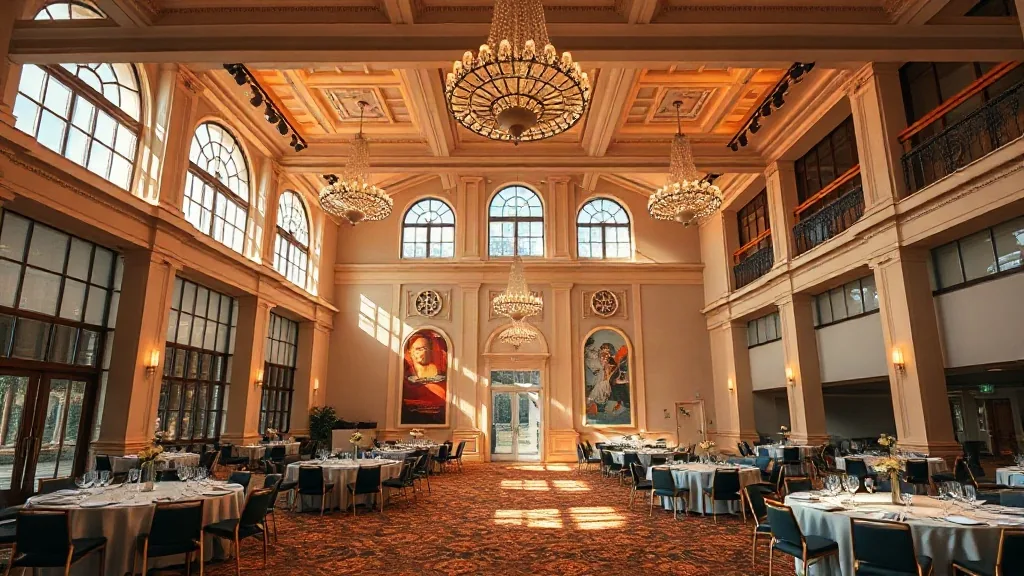
I ran a national sales meeting for 60 people at a hotel attached to Chicago O’Hare, and 44 of them flew in and out the same day. No hotel rooms, no downtown transfer, no second travel day burned. The client’s travel line came in about $18,000 under the prior year, and the reason was geography. The meeting room was a nine-minute walk from the gate.
Airport-adjacent venues are the most underrated tool for a fly-in, one-day corporate meeting. When attendees come from four cities for six hours of content, every minute between the runway and the room is dead payroll. Kill the transfer and you kill a whole day of travel per person.
The math that makes it work
A same-day fly-in meeting has a punishing timeline. An attendee lands at 8am, and if the venue is 40 minutes downtown in morning traffic, they walk in at 9:15 at the earliest, frazzled. Move the venue to the airport and they are seated by 8:30. On the back end, downtown means leaving the meeting by 3pm to catch a 5:30 flight through security and traffic. Airport-adjacent means working until 4:30 and still making the same flight.
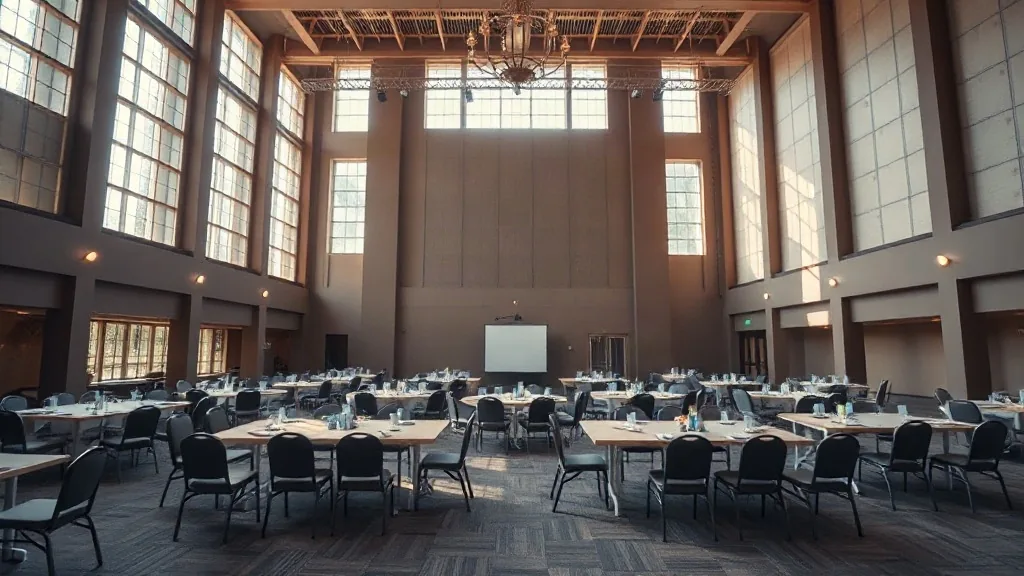
Run it across 50 fly-in attendees. Two hours of transfer time each way, saved, is 200 person-hours you either give back to the day or convert into an earlier flight home. And the hotel-night math is blunter. Fifty avoided room nights at $210 is $10,500 gone from the budget, plus per diems, plus the second-day airfare change you no longer need. The transfer cost alone, before rooms, is not trivial, and transportation cost by group size and distance shows how fast a downtown shuttle program adds up once you are moving 50-plus people twice a day.
When it works
Airport venues win in a specific shape of event. One day, or a day and a half. Fly-in attendees from multiple origins with no local base. Content-heavy agenda that does not need a destination experience. Board meetings, sales kickoffs, training days, partner summits, quarterly reviews. If the entire value of the event is 40 people in a room with a whiteboard and a catered lunch, the room’s zip code is irrelevant and its walk-time from the gate is everything.
The best versions are the hotels physically connected to the terminal by a covered walkway or a short shuttle the hotel runs on a loop. O’Hare, DFW, Detroit, Minneapolis, Atlanta, and a dozen others have full-service hotels and resorts with real ballrooms inside the airport envelope. Detroit’s is a straight indoor walk from the concourse. That is the gold standard, no outdoor transfer at all.
When it backfires
Airport-adjacent is a tool, not a default, and I have watched it fail three ways.
Multi-day events. If people are staying two or three nights, the airport hotel becomes a sensory-deprivation chamber. No walkable dinner, no neighborhood, no reason to leave the property, and morale sags by day two. For anything over a night and a half, the airport strip is the wrong call and a walkable downtown block earns its premium.
“Airport area” that is not actually adjacent. The listing says airport hotel and the property is 15 minutes away on a frontage road with a shuttle that runs every 30 minutes and strands half your group. That is worse than downtown, because it has the charm of a parking lot and the transfer time of a city. Confirm the shuttle frequency and the actual door-to-gate minutes before you believe the word “airport” in the name.
Flight disruption exposure. Concentrating your whole group into same-day flights means a single weather system or a ground stop can vaporize your attendance. I keep a mental note of the CEO whose flight diverted to Buffalo every time I build a same-day agenda. Build a start time with an hour of slack for late arrivals, and never schedule the most important content in the first 45 minutes.
The walkthrough questions that matter
I ask these before I trust any airport venue, and they are the same instincts I bring to booking a city I have never set foot in, which I wrote about in the remote planner booking a city they have never visited.
How many minutes, door to gate, walking, at a normal pace with a bag? If the answer involves a shuttle, how often does it run and does the hotel guarantee it? Is there covered access, or does my group cross an open road in whatever weather that city throws in your booking month? What is the meeting-space quality, because some airport hotels have gorgeous rooms and a sad windowless meeting floor that photographs like a basement. And what is the F&B situation for a group that will not leave the property, since a single tired lobby restaurant will not feed 60 people at a 12:30 lunch break.
Where the venue type points you
For the pure one-day fly-in, an attached airport hotel and resort with in-house meeting space is usually the answer, because it collapses lodging, meeting, and transfer into one address. If your group is larger, 200-plus, an airport-district conference center or the meeting wing of an airport convention center gives you the room scale without forcing everyone into hotel-ballroom acoustics. The tradeoff is that the bigger the box, the more likely it sits a shuttle ride from the terminal rather than a walk.

The agenda design that respects the flights
The venue geography only pays off if the agenda matches it. A same-day airport meeting lives or dies on the start and end times, so I build the schedule around the flight bank, not the other way around. If most attendees are coming from the East Coast into a Central-time city, the earliest reasonable landing is around 9:30am local after a 7am departure, so a hard 8:30 start strands half the room. I set the working session to open at 10, keep the first 45 minutes low-stakes, a welcome and a framing, and load the decision content into the middle of the day when everyone is present. On the back end I confirm the last useful flight home for the farthest origins and end the meeting a clean 90 minutes before it, so nobody spends the final session watching the clock. Get the agenda wrong and the airport savings turn into a room half-empty at the start and half-gone at the end.
The number I put in the proposal
I show clients two total-cost lines side by side. Downtown: room block, transfers both directions, and a likely second travel day for cross-country attendees. Airport-adjacent: no rooms for same-day flyers, no transfers, one travel day. On a 50-person, one-day meeting the gap is routinely $15,000 to $25,000, and the airport option usually gets people home for dinner instead of a second hotel night. That is the slide that ends the debate.
Airport venues are not glamorous and they are not for every event. For a one-day, multi-origin, content-first meeting, they hand you back a travel day per person and a chunk of budget, and nobody remembers the carpet if they made the 5pm flight.
Tell me your headcount, how many people are flying in versus local, and whether it is one day or two, and I will tell you whether the airport play saves you money or costs you a room full of bored people.


