
Summer All-Hands in a Coastal City: the Heat-and-Humidity Tax That Kills Attendance
Miami, Houston, and DC in July have 95-degree heat indexes that shut down voluntary outdoor programming. Here are the Sunbelt cities that escape this problem and why they work.

The pitch for a Miami all-hands in July goes like this: “We’ll get great hotel rates, the beach is right there, we can do a sunset reception on the water, it’ll be an experience the team won’t forget.”
The reality: your attendees walk from the hotel entrance to the waiting car in a 94-degree heat index and arrive at the welcome dinner looking like they’ve been through something. The sunset reception on the terrace lasts 22 minutes before the first group retreats inside. The team experience is memorable, but not in the way the pitch imagined.
I’ve planned in the Southeast long enough to know that the summer heat-and-humidity problem is not a weather preference issue. It’s a logistics and attendee experience issue that affects how people interact with your programming.
The Heat Index Reality
Heat index (apparent temperature) is what matters for corporate event programming, not air temperature. A 92-degree Miami day with 75% humidity has a heat index of 105-110. At that level, OSHA classifies the outdoor environment as a heat-stress risk. Your outdoor reception is not safe for 90-minute operation, not because your attendees are fragile, but because the environmental conditions are genuinely uncomfortable and potentially harmful for people in business attire.
The cities where July and August heat indexes regularly hit 95 or above: Miami, Tampa, Houston, New Orleans, Washington DC, Atlanta (on bad days), Phoenix (though it’s dry heat, which changes the calculation).
Phoenix at 105 degrees with 10% humidity feels different from Miami at 95 with 75% humidity. The Phoenix dry heat is uncomfortable but not oppressive in the way coastal or southern humidity makes the heat feel. People in Phoenix can tolerate brief outdoor exposure in ways they can’t in Houston.
What This Does to Your Programming
The practical impact on a summer all-hands or corporate retreat in a high-heat-index city:
Outdoor activities become 6am or 8pm only. Any outdoor programming that requires more than 20 minutes of movement or standing needs to happen before 10am or after 7:30pm. A beach walk, a rooftop cocktail hour, a dinner cruise boarding, and any outdoor team activity all need to fit into the bookend windows. Mid-day outdoor programming is a mistake you’ll know about before you finish planning the agenda.
Indoor comfort becomes the primary variable. What replaces the outdoor atmosphere is the indoor experience, and this is where venue quality matters most. A summer all-hands in Miami lives or dies on the hotel’s air conditioning quality, lobby and common-area design, and indoor social spaces. Hotels that would get a pass in October (dated ballroom, average lobby bar) become major problems in July because your attendees will spend 90% of their time inside.
Departure day experience. This one gets no attention but it matters. Attendees leaving a summer all-hands in Miami or Houston after a 2-day event spend their checkout experience navigating heat, humidity, and airport delays that summer thunderstorms cause. The last impression of the event is walking to the ride-share in 95-degree heat at 10am.
The Cities That Escape This Problem
Denver: Mile-high altitude and low humidity make Denver summer heat genuinely manageable. Even at 90 degrees, Denver feels comfortable relative to sea-level heat. Afternoon thunderstorms are common but brief. A Denver summer corporate retreat at a hotel property can realistically program outdoor morning sessions, lunch on a terrace, and evening events without the heat oppression of coastal cities.
Albuquerque and Santa Fe: Dry heat at elevation. 90-degree days with 20% humidity feel comfortable enough for moderate outdoor programming. August in Santa Fe is the monsoon season with afternoon rain, but mornings are ideal.
Salt Lake City: Similar to Denver. Dry mountain climate. Summer temperatures run 90-95 but without humidity, outdoor programming until noon or after 6pm is comfortable.
Portland and Seattle: Pacific Northwest summer is the best corporate all-hands weather in the country. Typical July and August temperatures in Seattle run 70-80 with no meaningful humidity. The risk is the occasional heat dome event (which has become more common), but the baseline summer experience is excellent and reliably supports outdoor programming throughout the day.
San Francisco: The famous summer fog suppresses temperatures in a way that makes SF one of the better summer corporate event cities. Typical July SF highs run 65-70 degrees. The tradeoff is the rate spike, which I’ve covered elsewhere on this blog.
The Sunbelt Interior Vs. Sunbelt Coastal Distinction
The key variable isn’t the region; it’s the humidity. Sunbelt interior cities (Phoenix, Las Vegas, Albuquerque, Tucson) have dry summer heat that, while extreme on the thermometer, doesn’t produce the same physiological stress as coastal Sunbelt heat. Your attendees can manage 105 degrees for 10 minutes in Phoenix at 8% humidity. They cannot manage 95 degrees for 45 minutes in Houston at 75% humidity.
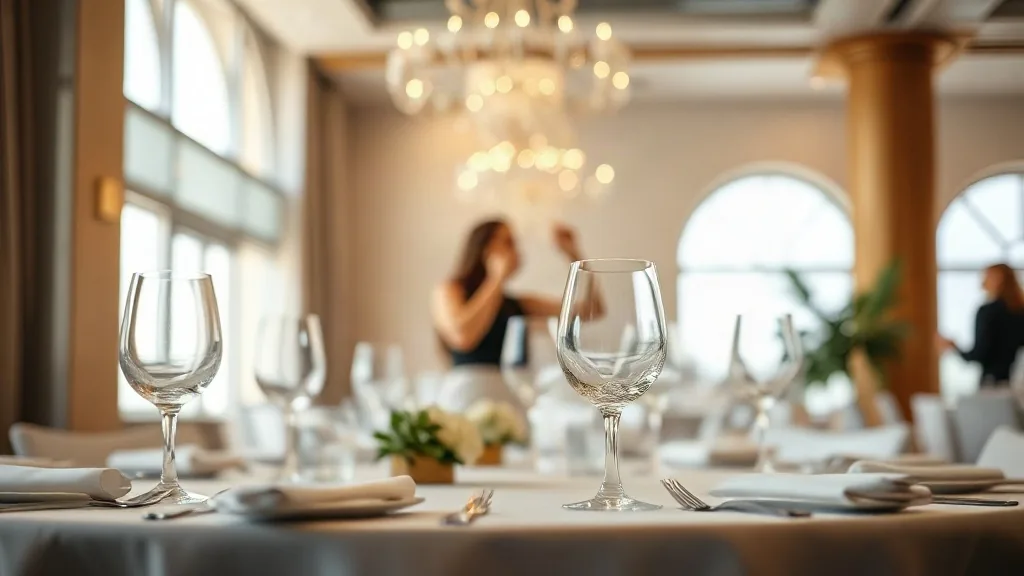
This matters for venue selection. Conference centers and hotels and resorts in Sunbelt interior cities like Phoenix have designed their outdoor programming around the summer reality (early morning or evening). They have good heat management infrastructure. The pool deck at a Scottsdale resort in July is designed for 6am-10am use and 7pm-10pm use. That’s the structure.
Coastal Sunbelt cities often haven’t designed around the heat in the same way because their historic strength was the shoulder season. The outdoor terrace that’s beautiful in November is a liability in July.
Practical Decision
If the city is flexible and your all-hands is in July or August, the list of cities where summer is genuinely good for corporate events: Seattle, Portland, San Francisco, Denver, Salt Lake City, Albuquerque. The list where it’s workable with an indoor-first strategy: Phoenix, Scottsdale, Las Vegas, Dallas (with caveats). The list where it’s genuinely difficult without a fully indoor program: Miami, Houston, New Orleans, Tampa, Washington DC.
The Rate Offset
The difficult summer cities often have the best summer rates. Miami hotel room blocks in July run 25-35% below October equivalent rates because leisure demand softens and corporate demand is suppressed by the heat. If you’re willing to run an event in Miami in July with a fully indoor program design, you can get a very good hotels and resorts room block at rates that would be unavailable in December.
The question is whether the rate savings justify the design constraints. For a 3-day internal conference that’s 95% indoor programming anyway (general sessions, breakouts, workshops, evening dinners in climate-controlled space), the heat problem barely matters. You arrive from a car-to-hotel entrance in 30 seconds of heat. The event is indoors. You leave the same way.
This type of event (indoor-heavy, destination-secondary) is the case where the difficult summer cities pay off. The rate savings are real. The team gets the beach city experience at Miami hotel prices without depending on weather. And the programming is exactly what it would be in October, because the space requirements are the same regardless of the weather outside.
The conference centers in these markets have figured this out and often market their summer availability specifically to this type of buyer. Ask about summer corporate conference packages directly.
What’s the city and the approximate headcount? I’ll tell you what the summer programming actually looks like on the ground.


