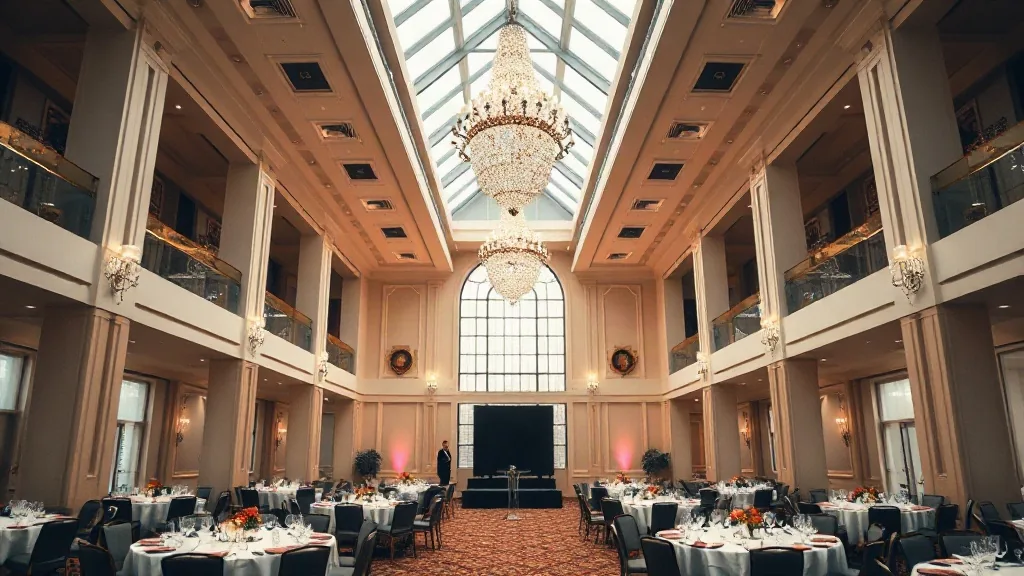
The annual onsite for a fully remote company
Seven remote-work onsite retreats taught me the real cost is measured in trust, not dollars.
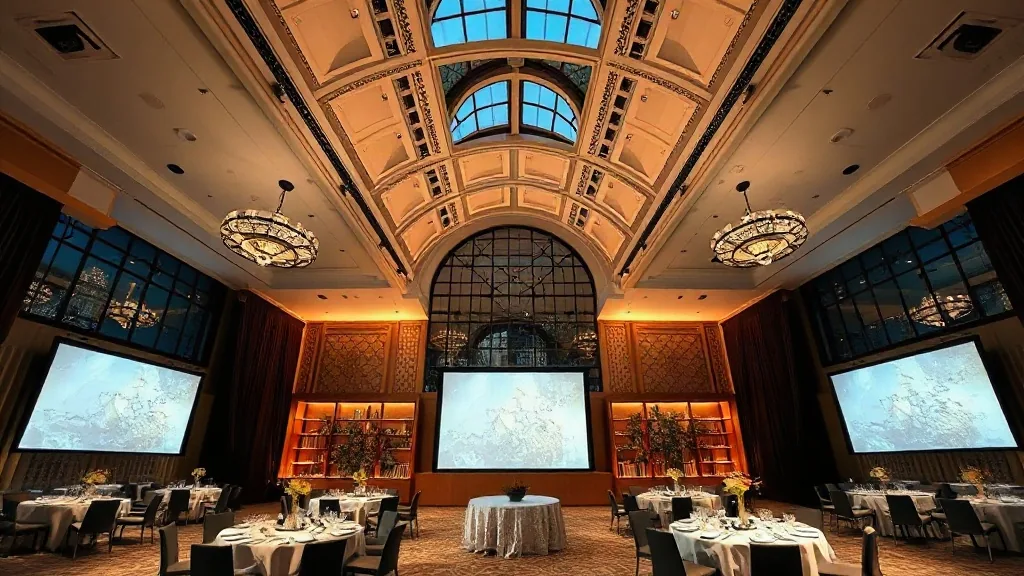
I’ve booked and run seven of these for a policy association where the staff live in eleven states, and the last one, for 214 people in Cleveland, ran us $312,000 all-in. That figure gets quoted to me more than the agenda ever does. So when a friend who now runs an all-remote software firm asked me to guest-plan their annual onsite, I had to explain that this isn’t a venue booking. It’s a trust exercise.
Sizing the room against the real headcount, not the optimistic one
Start with the number finance approved, then subtract the no-shows. A remote workforce will run a 15 to 20 percent no-show rate for an internal onsite even after they’ve paid for flights, because sickness, family emergencies, and burnout surface in the five days before. Last spring, a client’s projected 180 became 142 by the Tuesday prior. Now I always build the contract with the venue’s sliding scale or a total buyout with a use-it-or-lose-it range of 20 percent on the low end, and I never let the audio-visual estimate run off the original headcount.
The second count is the one that matters for day-of decisions: how many people are coming who have never been in the same physical room as another employee. In a company that hit 60 people during 2020 and 2021, that can be more than half the roster. I put a photo-to-name badge on everyone, and it gets laughed at by the veterans, but the new people use it constantly.
Pick the city based on where the largest cluster of employees live, not where the founder’s favourite airport hub is. In the past two years I have found that mid-tier cities that get direct flights from three or four hubs, places like Fort Collins or Rochester, give you better value and shorter ride times from the airport, and employees are less tempted to slip out to their own client meetings. If you can schedule it off-peak, the pricing data moves in your favour, and a target date in late September or early October saves you real money on a room block.
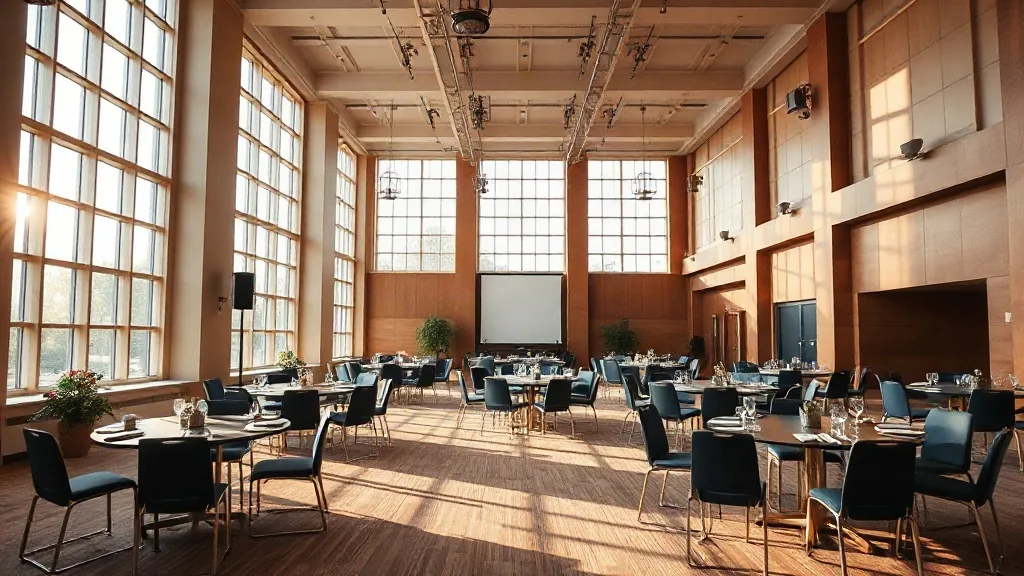
For an all-remote company, the venue itself has to offer small-group breakouts at a ratio that scares hotel sales teams. I need eight to ten rooms that hold between 12 and 25 people each, plus a plenary space for the full group. A good coworking venue with event space gets this immediately because they are used to visitors who cannot discern each other’s true adjacency or want a quiet place to dial into a meeting they are not supposed to be in.
The most successful route I have found is a middle ground: a full-day onsite inside a venue that runs breakout rooms off a main hall, with a section of desks for people to keep their laptop chargers and coffee. Then, for the second evening, we close an offsite somewhere within a 15 minute drive. The employees get an anchor room where it’s acceptable to be alone for twenty minutes between sessions, which the hotel ballroom does not provide.
One caution about comparing local laws on event capacity in a new state. The limits I hear about in DC are not the same as the certificate or fire code numbers in a place like Oklahoma. Confirm every capacity number with the venue manager in writing and keep that email thread to show finance.
Making people who work alone agree to an agenda
The 90 minute plenary is a myth. By minute 60, the energy compresses; the slide that comes next will not be retained by the support team in the back row. I structure an onsite morning into three separate 45 minute talks with a ten minute break between each. No speaker gets the full stack at once.
Most program failures trace back to the town hall-style Q&A. Remote employees on camera are used to a moderator, a waiting queue, and a mute button. Better than a free-for-all: run Q&A through a small, moderated panel that the staff submit questions to on a phone app, with the sharpest 12 read aloud. This way a customer-support agent in Seattle can ask the CEO about automation without a room full of eyes turning to watch them sweat.
Dead time is where a remote onsite wins or loses. The CEO wants a 7 o’clock dinner because they hear it’s team building. The employees who woke up at 5 a.m. for a cross-country flight do not. I write a dinner block of no more than two hours, people sit at tables of eight with mixed departments, and it ends by 9 p.m. The after part can happen at the bar for those who have the natural energy left, but it is freed from obligation for everyone else.
My harder concession is this: you have to give the workshop nerds their way for at least a four-hour block on day two. I polled employees at a client’s event once, and they ranked a long, half-day working session alongside a 10 person dinner as the two best parts of their trip. Always hold the working block in the morning, keep the personal conversation for late afternoon or a closing debrief, and keep two separate facilitators for the two kinds of conversations so no one has to manage their own transition.
Where to put the money so it lands on relationships
I allocate one third of the catering budget to the first-night welcome reception, and that is strange advice to give them because they assume the food should be spread evenly. It should not be. On day one at an onsite, nobody cares that the plated salmon is cooked right. They care that they can wander toward three people from a sister team without hovering alone at the edge of a conference room. I want food stations scattered so there are at least two choices of where to stand and reasons to move naturally between groups.
Catering minimums have gone up. In post-2021 rates, most mid-tier hotels want a food and beverage minimum of $10,000 to $15,000 for a 200-person two-day event, independent of the room rental. If you don’t spend it, you pay it anyway. This is where a nontraditional venue saves your budget. Sometimes, a coworking and events space has a flexible roster of preferred local caterers and charges a small kitchen fee, not the hotel’s 30 percent service charge wrapped into every plate.
The line item that shocked my client most is AV. A projector for two days in 2023-style pricing averages about $900 to $1,400; adding a third screen physically in the breakouts runs more. Before I ever see an invoice for bandwidth, I ask a venue their business internet speed, then ask to run a zoom call from a laptop on the room floor as a test. Last April, a venue said they had business internet, and we could not run a twelve-person break out with two videos playing without intermittent buffering.
Running a closing that lets people leave on time
The last hour makes or breaks how they talk about the onsite to the people back home. I close with a rapid-fire 20 minutes of decisions that were promised earlier, a clear note that the schedule ends at 4:30, and no planned ceremony after. I now run a quick low-energy checklist printed on a one-pager and an invitation for two questions that we answer in the room right then.
Before anyone flies out, schedule a meeting to plan the next onsite with a decision target. Until they give me a date, their own culture project drifts. Ask the organising committee for their headcount you’re expecting in the spring, the city you’re leaning toward, or the rough agenda you want your team to test drive. That next date is the piece of grit the rest of the year forms around, so make it the first thing they solve on the flight once the video is off.