
The Catering Truck That Hit a Sinkhole — A 3-Hour Recovery
The truck carrying appetizers and all of the dessert for 190 people dropped its front axle into a street sinkhole two miles from the venue. It was 4:15pm. Dinner was at 7:00.

The call came at 4:17pm. I was at the venue — a historic social club in downtown St. Petersburg, Florida — doing a final walkthrough of the table settings when my phone rang with a number I didn’t recognize.
It was the catering company’s driver. He was calm in the way that people are calm when the adrenaline hasn’t landed yet. He said: “The truck is stuck. We hit a depression in the road and the front axle went down. I think it’s a sinkhole. We’re on 5th Avenue North, about two blocks past the bridge.”
I asked him one question: “Is the food okay?”
He was quiet for a second. “The hot boxes are fine. The cold section tipped. I’m not sure about the dessert.”
Dinner was at 7:00pm. That was two hours and forty-three minutes from right now.
The event and what was at stake
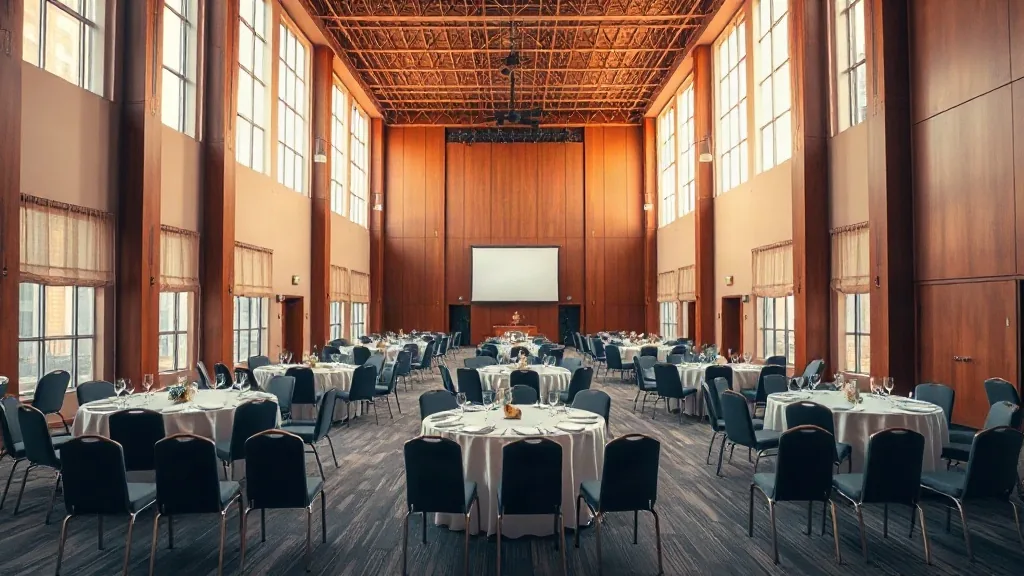
The client was a regional wealth management firm — 190 guests, annual client appreciation gala, one of those events where the guests are high-net-worth individuals who have been clients for twenty-plus years. The firm had been hosting this gala for eleven consecutive years. It was quiet, formal, deliberate. The food was a point of pride — the catering company had been their vendor for seven of those eleven years and the relationship was personal, not just contractual.
Dessert was a custom presentation: individual plated portions, firm branding on the chocolate garnishes, the managing partner’s signature flourish at each seat. It had taken the pastry team two days to prepare. There were 190 of them. In a tipped refrigerated compartment, in a truck, two blocks past the bridge.
I told the driver I would call him back in five minutes.
The three-phone-call window
I stepped outside the club and made three calls back-to-back.
Call one: the catering company’s event manager. She already knew — the driver had called her first. She was scrambling. The truck needed a specialized tow because of the axle position, probably forty-five to sixty minutes for a tow company to arrive, another thirty to transfer the cargo to a second vehicle. She thought they could still make a 7:00 service if everything moved. But the dessert she didn’t know yet.
Call two: the venue’s club manager. I asked him two things: did the kitchen have any capacity for emergency dessert prep, and did he have any relationship with a local bakery or pastry source that could be called in. He said the kitchen was fully occupied with the cocktail hour production and had no bandwidth. He said he knew a bakery in the Old Northeast neighborhood that did corporate work — he’d have them call me.
Call three: the firm’s events director. She was the client-side contact. I told her: catering truck immobilized by road infrastructure failure, appetizers and main courses confirmed safe and in transit, dessert situation developing, I am managing it and will update her by 5:30pm. That was my commitment: update by 5:30pm with a confirmed dessert plan.
She said: “What do you need from me?” I said: “Nothing yet. I’ll call you.”
4:45pm — the dessert problem
The bakery manager called me at 4:44pm. He had 60 individual tarts — strawberry, not branded — and could do another 40 in the next two hours if I needed them. That was 100 of 190. Not enough.
I went back to the catering company’s event manager. She had reached the driver, who had climbed into the refrigerated compartment. Of the 190 plated desserts, 142 were undamaged. The chocolate garnishes on most of them had shifted or broken — the branding was gone — but the dessert itself was intact and safe. Forty-eight were compromised: tipped, spilled, unsalvageable.
So: 142 from the truck, 100 from the bakery. That was 242 desserts for 190 guests, if the bakery could execute. The firm’s branding presentation was gone. The dessert itself could be covered.
I called the firm’s events director at 5:22pm, eight minutes before my committed deadline. I told her: dessert will be served, the custom presentation is not recoverable, we are substituting two options — the original pastry (without the branded garnish) and a local bakery tart — and the team will plate them attractively together as a mixed dessert course. I told her I would make it look intentional.
She asked: “Do the clients need to know there was an issue?” I said: only if they ask, and if they ask, the honest answer is that we had a catering logistics event this afternoon and recovered it. She said: “Fine.”
6:55pm — service
The catering truck had been unloaded into a second vehicle by 5:40pm and arrived at the venue at 6:12pm — forty-eight minutes before service. The kitchen team reheated the apps on a modified timeline. The main courses held temperature in the hot boxes without issue.
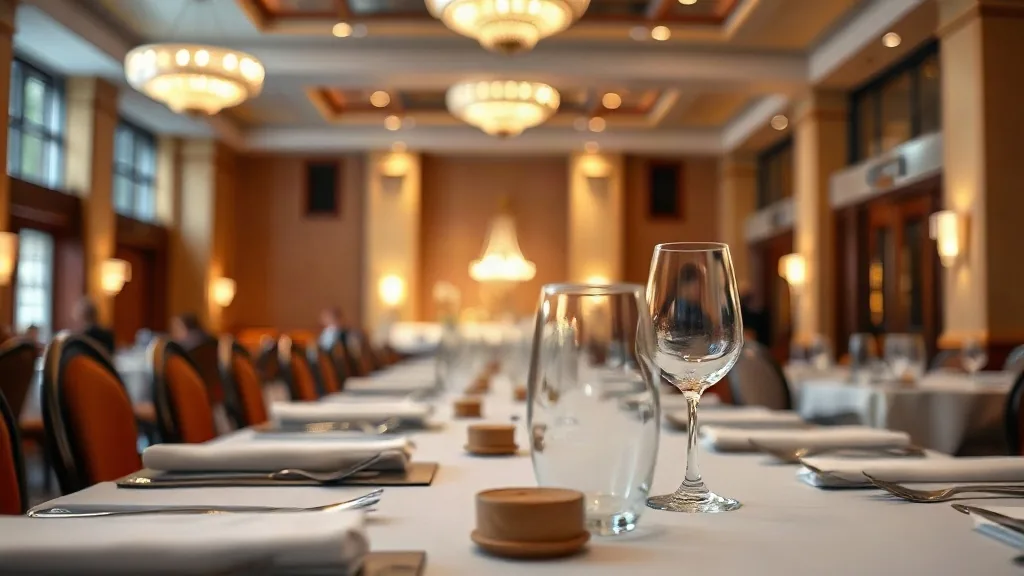
The dessert course went out at 8:47pm. The plating team had arranged the original pastry and the bakery tarts in a two-piece presentation on each plate — one of each, slightly offset, with a fresh mint sprig the venue’s kitchen had. It looked designed. One guest stopped a server and asked if the dessert was a new presentation this year. The server said yes. That was technically true.
The managing partner found me during the breakdown. He asked how the afternoon had gone. I gave him the three-sentence version. He was quiet, then said: “You know what I’m going to say to the catering company on Monday.” I said I did. He said: “Good. Because I need to say it to them and not to you.”
That was fair.
What I take from it
1. Know your catering company’s backup transport capacity before the event. This is now a standing question in my vendor intake: “In the event of a vehicle failure, what is your backup transport protocol and how quickly can it be activated?” Some companies have it. Some don’t. The answer changes how much risk you’re accepting.
2. Have a local food emergency contact in every city you work. The bakery manager who called me at 4:44pm exists because the venue’s club manager had a relationship I didn’t. Now I build a “local emergency vendor” list for every event city — a bakery, a specialty grocer, a commissary kitchen — before the event, not during. A sinkhole is one scenario. A kitchen fire, a cold-chain failure, a vendor no-show are others.
3. Give your client a committed update time, not a vague “I’ll keep you posted.” The firm’s events director did not spiral because I gave her 5:30pm as my deadline. She had something to wait for. Vague updates create anxiety. A specific time creates a container.
4. Make the problem look like a decision. The two-tart dessert presentation worked because it looked intentional. When you’re recovering from a logistics failure, your job is to make the recovery invisible. Sometimes invisible means “looks designed.” That takes presentation skill, not deception — the desserts were good, they were just different from the plan.
5. Florida sinkholes are a real event-logistics variable. I say this only half-jokingly. If you’re running events in Central or South Florida, know your routes. Some stretches of road have documented subsidence histories. The catering company now routes their trucks differently for downtown St. Pete events. So do I.
If you’re planning a formal client appreciation gala and want a planner who’s done the conference and gala circuit in Florida long enough to have a local-emergency-bakery contact in four cities — send me the brief and the headcount. I’ll tell you what I see.


