
When the CEO's Flight Got Diverted to Buffalo on Keynote Day
He was supposed to land in Orlando at 11am for a 2pm keynote to 300 people. At 10:17am his EA texted me: diverted to Buffalo. Here's the four-hour scramble that actually worked.

There is a particular kind of dread that arrives as a text message.
It was 10:17am on a Tuesday in February. I was in the pre-function area of a convention hotel in Orlando, reviewing the afternoon run-of-show with my assistant, when my phone showed a message from the CEO’s executive assistant. The message was four words: “He’s been diverted. Buffalo.”
I stood still for what was probably three seconds and felt like thirty.
The CEO of a regional healthcare technology company was supposed to land at Orlando International at 11:07am, get picked up by our driver, and arrive at the venue by noon for a lunch briefing before his 2:00pm keynote. Three hundred people were registered for the afternoon general session. His keynote was the anchor of the whole day — forty-five minutes, including a live product demonstration and a Q&A segment that the sales team had been promoting for three weeks.
He was in Buffalo. His flight had been diverted due to a developing snowstorm on the eastern seaboard that had, apparently, been more severe than the morning forecast suggested. The next available connecting flight to Orlando from Buffalo did not arrive until 6:18pm.
He was not going to make it in person.
10:20am — what I knew and didn’t know
What I knew: the CEO was on the ground in Buffalo, physically fine, apparently with his laptop and charger, and extremely unhappy. His EA had spoken to him thirty seconds before texting me. He wanted options.
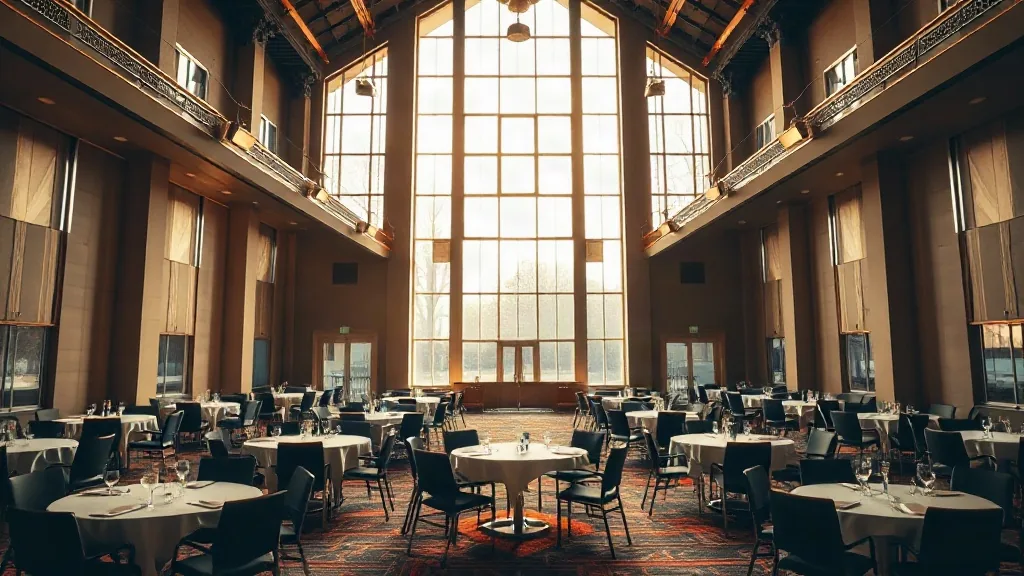
What I didn’t know: whether he could present remotely with the quality his keynote required, whether our AV team could execute a live hybrid stream in the next two hours, and whether any of the three potential in-person alternatives — his COO, his Chief Product Officer, or the company’s head of sales — could stand up and deliver a credible version of the keynote instead.
I called the AV lead first. He was setting up the stage for the afternoon session. I told him the situation in two sentences: CEO is in Buffalo, he needs to present remotely or we need a full plan B, I need your honest assessment of what’s technically possible in two hours. He said: it’s possible. He’d need thirty minutes to rig a dedicated remote presentation setup — clean camera angle from his laptop, an IFB earpiece equivalent via his phone so he could hear the room, and a reliable internet connection at his current location. He asked me: does the venue in Buffalo have high-speed business wifi or is he on airport wifi?
I did not know. I texted the EA while still on the phone with the AV lead.
The EA came back in four minutes: he was still at the gate area. Airport wifi. The AV lead said: that’s not ideal but it may work if the airport isn’t congested. He asked me if we had a backup plan in case the connection degraded mid-presentation. I told him we’d build one.
10:35am — the backup conversation
I called the CEO directly. He answered on the first ring. He sounded like a man who was running on adrenaline and personal disappointment in roughly equal measure. I told him: here’s what we can do. I can build a remote presentation setup that gives you a clean feed into the room. Your slides, your camera, your voice — it can work. Or, if you’d rather, we can identify someone in the room to present the keynote live with you available by phone for the Q&A.
He said: “Who would do it?”
I said: “Your Chief Product Officer is registered and on site. She knows the product demonstration section better than anyone, you’ve told me that. Could she present the first thirty minutes while you join live for the final fifteen and the Q&A?”
There was a pause. I could almost hear him deciding.
He said: “Ask her.”
10:41am — the conversation with the CPO
She was at the conference hotel bar with a coffee, prepping for an afternoon panel she was moderating. I sat down next to her and told her the situation. She listened. She said: “I can do it. I need twenty minutes with the slides.”
I sent her his deck immediately. I also called his EA and asked her to connect the CPO and the CEO on a direct call so he could walk her through any segments he was particularly concerned about. They were on the phone for eighteen minutes. I did not join that call. That was their domain.
11:30am — the technical setup
Our AV lead had rigged a remote presenter configuration: a dedicated laptop on the presentation table with a clean camera angle, mirrored to the main screens in the room, with the CEO’s video feed appearing in a corner inset when he was speaking and expanding full-screen during Q&A. His slides were loaded on our system locally so the CPO could advance them from the stage clicker with his verbal direction coming through the room speakers.
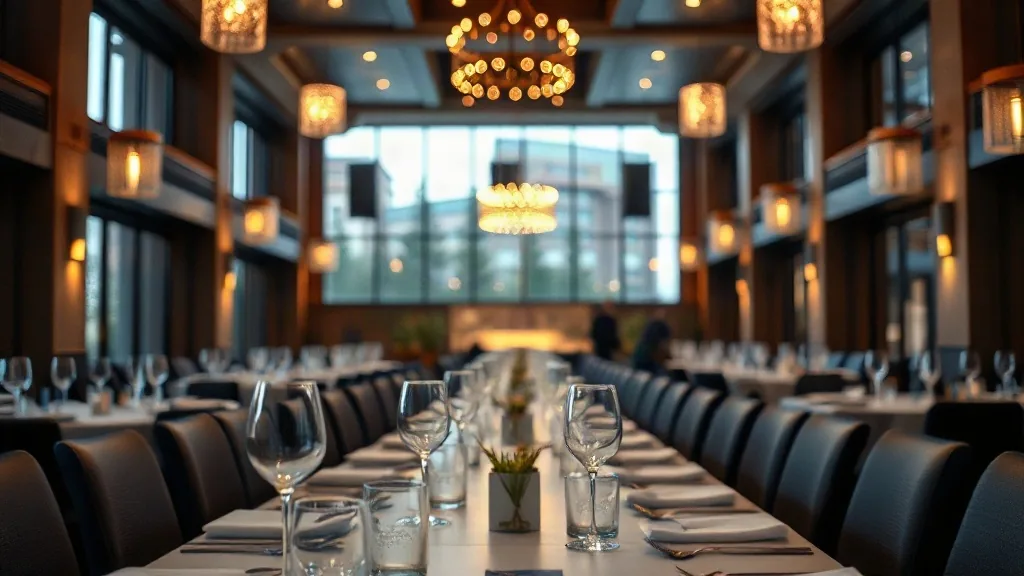
We tested the connection at 11:45am. The airport wifi in Buffalo was, against all reasonable expectation, working well. The CEO’s video was clean. His audio through the system was clear. The AV lead confirmed we had a viable feed.
We did a ten-minute dry run at 12:30pm — the CPO at the stage podium, the CEO on screen from Buffalo, running through the opening three minutes and the product demo transition. At 12:43pm the CPO said: “I think we’re ready.” The CEO said: “I think you’re going to be better than me.”
He was being generous. But not entirely wrong.
2:00pm — the session
The program director opened the session and told the room, briefly and without drama, that the CEO was joining remotely due to travel disruption and that the CPO would be presenting with him. There was a moment — you could feel it in the room — where people recalibrated. Then someone started clapping. Then most of the room joined in. I do not know if they were clapping for the CEO, for the CPO, for the situation, or for all of it. But the energy that entered the room at that moment was genuine and forward-leaning.
The CPO presented the first thirty-two minutes. She was better than she thought she’d be. The product demonstration section — which she knew cold — ran cleaner than it might have with the CEO, who I knew from his rehearsal had a tendency to editorialize during demos in ways that weren’t always useful. At the fourteen-minute mark the CEO broke in from Buffalo to add a story he wanted to tell, which the CPO handled smoothly by stepping aside and letting his screen expand.
For the Q&A segment he was full-screen on both main displays. The room asked him twelve questions over twenty-two minutes. He was sharp. He was present. He was, it turned out, physically stationary in a quiet corner of the Buffalo airport with his jacket off and his sleeves rolled up, and that informality registered as authenticity in a way that a polished hotel stage presence sometimes doesn’t.
The session ended at 3:08pm with a standing ovation that the CEO watched on his laptop camera and that I watched from the side of the room with something close to actual emotion.
What I take from this
One: A hybrid fallback is never optional for a keynote speaker who is traveling. This is a lesson I now apply universally. If your anchor speaker is on a plane on event day, your AV team should have a remote presenter setup in their standard kit. Not as a last-resort option — as a contingency that’s already mapped at load-in.
Two: The best backup plan is already in the room. The CPO was at the event. She knew the material. She was credible to the audience. I did not have to find someone or fly someone in — I had to ask the right person. Know who in your confirmed attendee list could cover a speaker emergency before you ever need to make that call.
Three: Airport wifi is better than you think, until it isn’t. We got lucky with the Buffalo connection. I now insist that any remote presenter have a cellular hotspot as backup, either their own or one we provide. The cost of a hotspot rental is forty dollars. The cost of a failed CEO keynote is not calculable.
Four: Brief the room honestly and briefly. Two sentences on what happened and what we’re doing about it. Not an apology, not an explanation of the airline industry, not a discussion of the CEO’s feelings about being in Buffalo. Two sentences, then get to work.
Five: The improvised version is sometimes better. I don’t say this to romanticize chaos. I say it because it’s true often enough to matter. The CPO was excellent. The CEO’s remote presence was intimate and authentic. The session worked. When you’ve built the right team, they adapt. That’s what you’re hiring for.
Orlando is a conference hub I know well — the production infrastructure is strong, the hotels are experienced with last-minute pivots, and the venues have seen almost everything. Browse the conference centers in Orlando, Florida if you’re planning a general session that needs to be bulletproof.
Also read my piece on the keynote speaker who lost her voice the morning of the event — a different kind of keynote crisis with a different kind of solution.
Send me the brief. I’ll build the contingency into the plan before day one.


