
The CEO Who Ate Edibles 90 Minutes Before His Keynote
He thought they were the fancy chocolates from the welcome gift bag. By the time I knew what had happened, he was backstage, pupils wide, and the room had 280 people in it.

I want to say upfront that nobody got hurt, the company does not know I’m writing this, and I have changed enough identifying details that even the client won’t be sure it’s them. Also: the keynote happened. It was fine. It was actually weirdly good.
But for about forty minutes, I was not sure any of those things were going to be true.
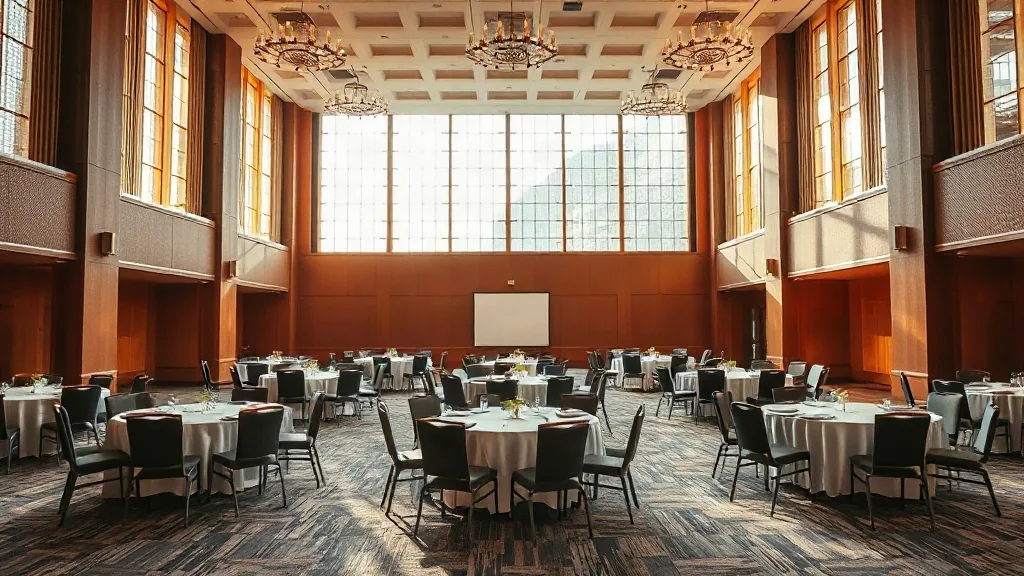
The event was a sales kickoff — 280 people, a major hospitality-technology company, two days at a conference hotel in Nashville. The CEO was scheduled for a 90-minute opening keynote at 2:00pm. It was the anchor of the whole agenda. I had spent six weeks working on the run-of-show with his EA and a speaking coach his company had hired.
At 12:22pm, I got a text from his EA that said: “He needs to talk to you. He’s in 714.”
Room 714
He opened the door before I knocked. He looked, as my grandmother used to say, like a man who had been visited upon. His eyes were wide in a way that had nothing to do with excitement.
He told me he had eaten two pieces of chocolate from the gift bag in his room, about ninety minutes ago, because he had skipped lunch and was hungry. He had figured they were from the hotel or from us — nice welcome chocolates, slightly fancy packaging.
They were from his co-founder, who had flown in for the kickoff and left a “congratulations on ten years” gift bag at the front desk the previous evening. The co-founder, who lives in Colorado and has very different habits than the CEO, had included a tin of homemade caramels and two gourmet-labeled chocolate squares. The label said something about “botanical ingredients.” The co-founder later explained he had assumed the CEO would “know what they were.”
The CEO emphatically did not know what they were.
He told me this in the way that a person tells you something they are embarrassed about and frightened by simultaneously. I asked him how he was feeling. He said: spacey, warm, a little paranoid, and that the room seemed to be moving slightly. I asked him if he was experiencing anything physically alarming — chest pain, nausea, anything that needed a doctor. He said no, just very high and very anxious about it.
I told him: “Okay. We have ninety minutes. Here’s what we’re going to do.”
The protocol I did not have but made up
My first call was to our on-site medic — every event over 200 people I insist on a contracted medic — and I asked for a welfare check, framed neutrally. The medic came up, confirmed the CEO was physically stable, and said the most useful thing anyone said that afternoon: “Peak is probably forty-five to sixty minutes. If he ate them ninety minutes ago, he may be close to the peak right now. It could start to ease by two.”
Doors at 2:00pm. Keynote at 2:00pm. That math was not comfortable but it was not impossible.
My second call was to his EA, who I pulled into the hallway. She had been with him for seven years and took the news with the composure of someone who had seen other things. She said: “He knows the material cold. If he can just stand up and start talking, he’ll find the groove.”
My third call was to the AV lead. I asked him to build five minutes of buffer into the opening — a longer brand video, extended walk-in music, the MC taking a few extra beats. He asked why. I said scheduling adjustment. He did not push.
2:00pm — in the room
I walked the CEO backstage at 1:52pm. He had eaten half a banana, drunk two large glasses of water, and changed his shirt because he’d sweated through the first one. He looked marginally more present. He told me he still felt “like he was watching himself from slightly to the left.”
I said: “That’s fine. Here’s what you’re going to do. You’re going to walk out, you’re going to look at the left side of the room, and you’re going to say the first sentence of your talk. Just the first sentence. After that your body knows what to do.”
He asked me what the first sentence was. I pulled his script on my phone and read it to him: “Ten years ago, two guys in a Denver kitchen thought hotels were broken.”
He repeated it back. He smiled for the first time. “That’s a good first sentence,” he said.
The MC finished her intro. The lights shifted. He walked out.
What actually happened
He opened with the first sentence. Then the second. I was watching from the side of the room and I could see the moment — maybe four sentences in — when the crowd’s energy hit him and something in his posture changed. He found the rhythm. He told the Denver story. He went off-script twice but in ways that were better than the script. He paused more than usual, which read as gravitas. He made a joke that wasn’t in the script that got a genuine laugh. He ran eight minutes long, which I had the MC absorb with a “what an incredible vision” segue that ate most of it.
He told me afterward that the experience was “one of the most present I’ve ever been on stage.” I told him that was interesting. I did not explain why.
The co-founder found me at the cocktail hour and apologized profusely and genuinely. He had not considered the scenario he had created. I told him I appreciated that, and that in the future, a label with more than “botanical ingredients” on it would be helpful.
What I take from it
1. The on-site medic is not optional. I know planners who cut the medic line item because “nothing ever happens.” A $400 shift for a contracted EMT has paid for itself in situations I never expected. This was one of them. Without the medic’s timeline estimate, I would have made worse decisions.
2. Your lead speaker knowing their material cold is the only real safety net. You cannot script-dependently plan a keynote. If that CEO had needed his slides to remember his story, we would have been in a different situation. When I build speaker prep schedules now, I include at least one “no notes, no slides” run-through. It’s not about performance polish. It’s about resilience.
3. Gift bag contents need to be approved. I have a standing item on every event’s coordination checklist: “All gift bag items — including items from attendees or co-hosts — reviewed by production team.” This takes five minutes. I missed it here because the gift was left at the hotel front desk by someone I didn’t know was sending one. That’s on me.
4. Buffer time is not laziness — it’s crisis absorbing capacity. The five minutes of brand video and extended walk-in music were the difference between “the CEO was slightly late” and “the CEO was noticeably impaired.” Buffer is not padding. It is the time you spend invisible crises in.
5. The first sentence matters more than anything. Whatever your speaker is dealing with — nerves, grief, a very unusual afternoon — if they can say the first sentence with confidence, the rest often follows. Help them lock that sentence in before they walk out.
That sales kickoff is in its fourth year now. The client has re-upped the contract every time. I have never told them this story. The CEO and I have a rapport that I believe is partly built on the fact that we share something unspoken.
If you’re planning a multi-day sales kickoff or leadership conference and want a planner who has, shall we say, seen things — drop me the details and I’ll tell you what I see in your run-of-show.


