
Amending a Venue Contract After Signing: What's Easy, What Costs Money, and What's Off the Table
Planners routinely need to change headcount, catering style, or timing after a venue contract is signed. Some amendments are free and processed in 24 hours. Others trigger financial penalties. A few are genuinely off the table once the ink is dry. Here is the three-tier framework for assessing any post-signature change and the negotiation approach that softens the ones that cost money.

Three weeks after I signed a contract for a 160-person pharmaceutical dinner in Miami, my client called to say the regulatory team had asked to reduce the guest count to 120. She said it casually, as if it were a simple update to the RSVP list.
It wasn’t. The venue had a $42,000 F&B minimum. At 160 people, we were comfortably above it. At 120 people, we were $6,800 short. I spent the next two weeks negotiating the difference.
That call taught me to build a post-signature change protocol into every engagement. Here is the framework.
Tier 1: amendments that are free and simple
These are changes the venue will process without cost, usually within 24-48 hours:
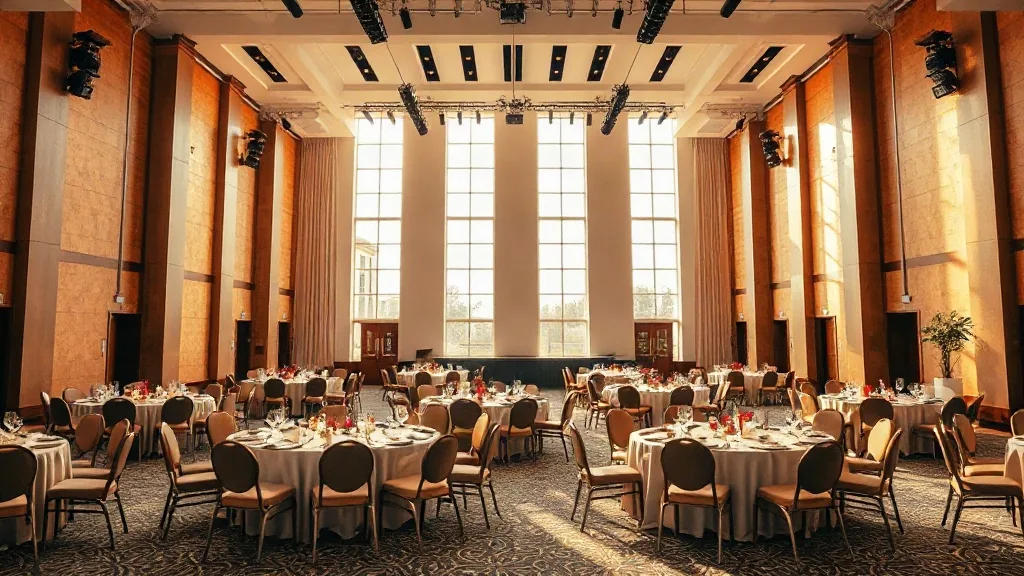
Headcount increases up to the contracted room capacity. Adding guests does not trigger an amendment fee because it increases venue revenue. The venue may require a revised BEO, but that’s a paperwork update, not a negotiation. Note: headcount increases that require a larger room or additional AV equipment are a different matter and move to Tier 2.
Menu substitutions within the same price tier. Swapping the chicken entree for a salmon entree at the same per-head price is a BEO update, not a contract amendment. Most venues will accommodate this up to 14 days before the event.
Start time adjustments of 30 minutes or less, provided the venue’s setup window and the prior or following event schedule allow it. This is a logistics accommodation, not a financial change.
Contact person updates. Updating the billing contact, the day-of coordinator name, or the signing authority is administrative.
Room configuration changes within the contracted space. Switching from theater to classroom setup, or from rounds to conference style, is a setup change the venue catering or event services team handles. It may affect linen count (which appears on the BEO), but it’s not a contract amendment.
Ask for these changes in writing, even if the venue accepts them verbally. An email confirmation of the change protects you if the day-of setup doesn’t match the agreed configuration.
Tier 2: amendments that cost money or require negotiation
These changes have financial consequences, and you have more leverage than most planners realize.
Headcount reductions. A headcount reduction that drops your anticipated F&B spend below the minimum triggers the attrition calculation. The formula: (contracted minimum spend) minus (actual spend at revised headcount) equals the shortfall, which you owe. Read how attrition clauses work before you call the venue.
Your negotiation position: propose to offset the F&B shortfall through an upgraded menu or additional bar service rather than paying the shortfall as a fee. Venues prefer actual F&B spend over attrition payments because the spend goes through their kitchen and generates real revenue. A venue that would charge you a $4,000 attrition shortfall will often agree to upgrade your per-head menu from $65 to $90 at no additional cost, because their kitchen revenue stays whole.
Room block reductions. If you contracted for 60 room nights and need to reduce to 40, you’re in attrition territory on the accommodations side. The same logic applies: the room block attrition formula calculates your exposure at the negotiated rate for the unoccupied rooms. Room block reductions within 90 days of the event are the most expensive to make; reductions at 120+ days often fall within a no-cost adjustment window specified in the contract.
Venue or room changes within the same property. Moving from the main ballroom to a smaller breakout room is a meaningful financial change. The smaller room may have a lower F&B minimum, lower rental fee, and different AV infrastructure costs. The venue will want to renegotiate the minimum commitments downward, but may also reduce the concessions (comp room upgrades, complimentary AV items) that were tied to the original commitment level.
Catering style changes that affect staffing. Switching from plated service to buffet service 30 days out changes the venue’s staffing model and may trigger a restaffing fee. This is a legitimate charge; the venue had already scheduled servers. Expect to negotiate a partial credit rather than a full reversal.
Date changes. Moving an event to a different date is a partial amendment at most venues, because the original date goes back on the market and the new date may have a different rate environment. If the venue can re-sell the original date easily, they’ll often accommodate a date change with minimal or no fees. If the original date is a high-demand Saturday in October, they’re unlikely to move without a significant amendment fee, because they’re absorbing opportunity cost.
Tier 3: changes that are genuinely off the table
Some things cannot be amended post-signature without terminating the contract and starting over.

Bringing an outside caterer to an exclusive-catering venue. If you signed a contract at a hotel or venue with an exclusive caterer and now want to bring in an outside catering company, the answer is almost certainly no. This is a fundamental change to the venue’s business model, and no GM will agree to it.
Removing the attrition clause entirely. You can negotiate the exposure, the trigger point, and the offset mechanism. You cannot remove the clause. Once signed, an attrition clause is a contractual commitment.
Exceeding the room capacity. If you need to expand headcount beyond the contracted room’s capacity, you need a larger room. That’s a new contract negotiation, not an amendment. The original contract terms may not apply to the new space.
Reversing signed deposit payments. A deposit is contractually earned by the venue at the time of signing. You can negotiate how it applies (against the final invoice, as a credit against the amended contract), but you cannot reclaim it unless the venue is in breach of contract on their side.
The amendment process in practice
Document every amendment in a signed addendum to the original contract. An email confirmation from the venue is not sufficient for financial changes. The addendum should state: the original contract date and reference number, the specific change being made, the financial impact (if any), and the signatures of both parties.
For hotels and resorts, amendments typically go through the event sales manager and may require approval from the hotel controller if they involve financial adjustments above a certain threshold. For independent banquet halls and conference centers, the decision authority is usually concentrated in the owner or general manager.
Start the amendment conversation early. A change at 90 days has different options than the same change at 21 days. If you know a change is coming, telling the venue as soon as possible preserves your negotiating options and their operational flexibility.
What post-signature change are you navigating, and when does your event date fall?


