
The Florist Who Showed Up With the Wrong Palette and How We Fixed It in 90 Minutes
The brief said navy and white. The delivery arrived with deep burgundy and gold. 180 centerpieces for a pharmaceutical company's annual awards dinner, 90 minutes before doors. This is what happened in those 90 minutes, who made the calls, what the fix cost, and the brief-format change I've used on every event since.

The florist’s van pulled in at 3:40pm. The dinner was opening doors at 5:30pm. I was on the phone with a caterer about a late staffing change when I saw the first arrangement come off the truck.
Dark burgundy roses and gold spray-painted eucalyptus. My event had a navy and white palette, consistent with the pharmaceutical company’s brand standards, consistent with the backdrop behind the podium, consistent with the branded napkins I’d ordered three weeks earlier. The arrangement in the florist’s hand was not navy and white. It was the opposite of navy and white.
I ended the call with the caterer.
What had happened
When I reached the florist, a one-person operation I’d used twice before without issue, she was confused for about 30 seconds. Then she remembered: she had two events that week. The other event was a gala with a burgundy and gold palette. She had prepared the arrangements in two groups at her studio and loaded the wrong group.
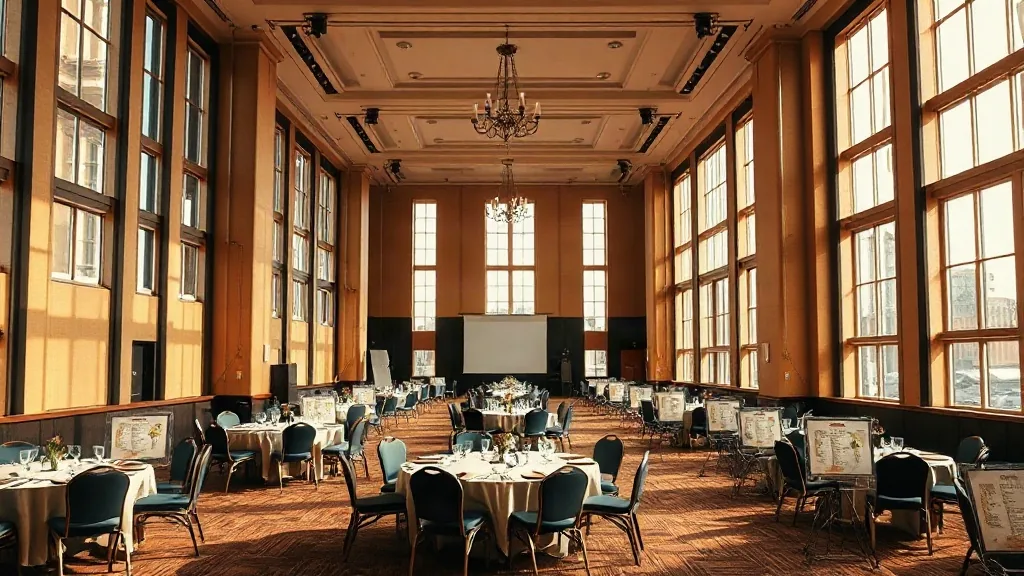
The correct arrangements, navy roses and white hydrangea with silver-tipped greenery, were sitting in her studio in Clearwater. Her studio was 47 minutes from the venue, assuming no traffic. It was 3:47pm on a Thursday in Tampa.
There was no scenario where the correct arrangements arrived in time.
The 90-minute fix
I needed 18 centerpieces for 18 rounds of 10, plus 6 smaller arrangements for the bar and registration table. The 24 arrangements I had were burgundy and gold. My options were: use them, replace them, or strip them and rebuild.
Stripping and rebuilding 24 arrangements in 90 minutes was not feasible with one florist and one assistant. Replacing them from scratch required a supplier who could deliver 24 arrangements in 45 minutes. That didn’t exist at 3:50pm in Tampa.
Using them as-is was not acceptable. The branded backdrop and the client’s napkins made the color clash too visible. The client would see it immediately. More importantly, one of the company’s board members had personally specified the navy and white palette in the brief she sent me six months earlier.
The florist’s assistant made a suggestion: strip the burgundy roses, which were the most color-specific element, and rebuild the arrangements as white-dominant with the gold eucalyptus. Gold-and-white reads as warm neutrals rather than a branded palette; it doesn’t clash with navy.
We spent 40 minutes doing this. The florist stripped and her assistant and I rebuilt. I called two of my day-of staff over to help with final placement. The result was 24 arrangements that weren’t what the client had ordered but weren’t visually incompatible with the room.
The conversation with the client
I told the client at 5:10pm, 20 minutes before doors opened, while she was reviewing the final layout. I didn’t wait for her to notice. I told her what happened, that I’d made a decision to adapt the arrangements to a neutral palette rather than deliver the ordered palette or arrive with empty tables, and that I understood if she was unhappy.
She looked at the arrangements for a moment. Then she asked if the client-brand photography would be affected. I told her I’d reposition the arrangements that would appear most often in stage photos to the lowest-height variants, which would be below the frame line on most shots.
She accepted this. She said the tables looked “warm, not corporate” and that she thought it might actually work better for the tone of the evening, which was meant to celebrate individual achievement rather than enforce brand presence.
The board member who had specified the palette was not in the room until 5:45pm. By then, the room was lit and the tables looked intentional. She didn’t ask.
What the fix cost
The florist credited back $480 for the color differential between what she delivered (premium burgundy roses, mid-range gold eucalyptus) and what we built (standard white hydrangea substituted for roses, retained eucalyptus). She also covered the overtime for her assistant’s extra work time. Total credit: $640.
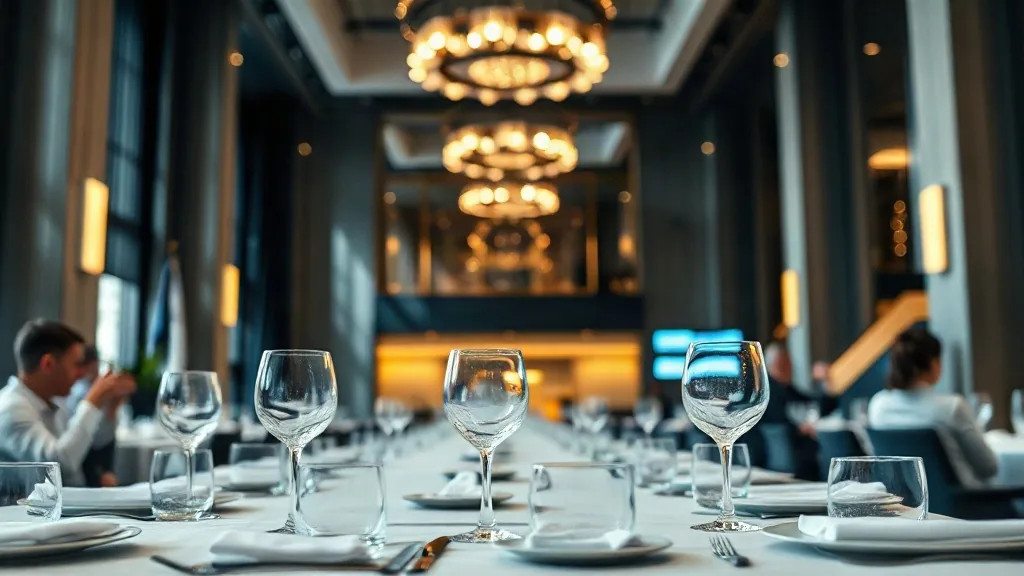
My additional cost: two staff hours at $22/hour each, so $88. The total cost of the problem was roughly $550 net after the credit.
The correct arrangements sat in her studio. She brought them to me the following week as documentation. They were beautiful. The wrong ones worked.
The brief format change
The problem was a communication failure: the florist had two events with different palettes and the internal documentation at her studio didn’t do enough to distinguish them. This is partly a florist workflow problem and partly a brief problem.
Before this event, my floral brief included color palette, arrangement style, height specification, and delivery window. After this event, I added two fields.
The first: a reference image. Not a mood board or an inspiration concept, but a physical reference image printed on the same page as the brief, showing the exact color family. A printed photograph taped to a written brief is harder to confuse with another project than two separate text documents that both say “gold.”
The second: a client event code on the brief header. Simple, one word, drawn from the client’s name. The florist’s two competing events that week were both labeled “corporate gala” in her internal system. If my event had been labeled “PharmEx” and the other had been labeled “HealthStar” or whatever, the wrong-truck problem becomes less likely.
At every banquet hall and Florida hotel event I book, I now send florists a brief with the reference image and client code on page one. This has not caused any issues since 2022. I can’t say the navy and white would have arrived if I’d been using this format at the Tampa dinner, but the probability of confusion drops when the brief makes mixing up two clients harder.
The wider lesson is about hotel and resort events generally: the florist is often the vendor with the least institutional process around multi-client management. AV companies and catering firms handle multiple simultaneous clients regularly and have systems for it. Solo or small florists often don’t. That asymmetry is worth managing with a more explicit brief.
If you’re planning a 100-plus-person event with a specific palette, I’ll walk you through the brief format. It takes five minutes to build and it’s the thing that keeps burgundy roses off navy-themed tables.


