
The Hotel That Double-Booked Us — And the 8 Phone Calls That Saved It
We arrived for setup at 8am to find another company already breaking down their event in our ballroom. Our 220-person leadership summit started in four hours. Eight phone calls later, we had a room.

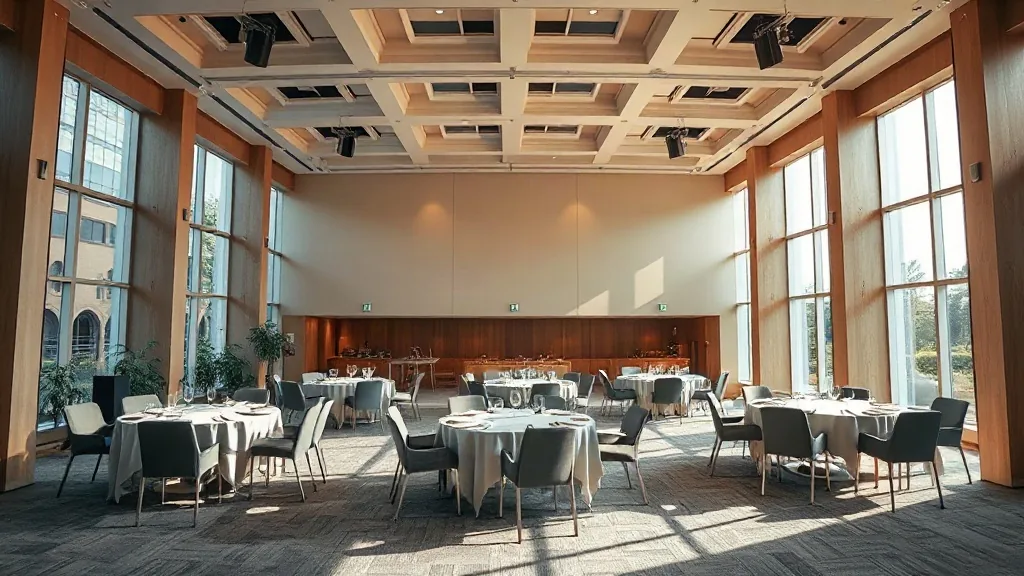
When I pulled up to the hotel at 8:03am, there were folding chairs stacked in the corridor outside the Magnolia Ballroom. That was the first sign. The second was the banner on a rolling stand — a different company’s logo — being wheeled toward the service elevator by a crew in matching polo shirts.
My crew was supposed to be in that room at 8:00am for setup. Instead, someone else was still breaking down from the night before.
I found the hotel’s events manager in the lobby. He saw my face and started talking before I said anything. There had been a system migration the previous month — they’d moved to a new property management platform — and the ballroom had been double-booked for the same date. My event was in the system. The other event — a statewide insurance trade association’s awards dinner that had gone long, ending at 1:30am — was also in the system. Both events had confirmations. Both were real.
Our leadership summit for a regional healthcare network — 220 people, C-suite and VP-level attendees from across the system — started at noon.
It was 8:09am.
Call one: my client
I called the healthcare network’s VP of HR, who was the executive sponsor for the event, from the lobby while the hotel’s events manager was still standing in front of me. I did not wait to know the full situation. I told her: “There’s a venue logistics issue. The room is delayed. We are working on a solution and I will call you back by 9:00am with a confirmed alternative or a confirmed resolution.” She said: “How serious?” I said: “Significant. But recoverable. I’ll call at nine.”
I hung up and turned back to the hotel events manager.
Call two: the hotel’s general manager
The events manager did not have authority to do what I needed. I asked for the GM. He was reached by the events manager’s radio within four minutes — a small mercy. I sat with him in a side conference room for fifteen minutes. Here is what I learned: they had three additional meeting rooms in the building. None of them were 220-person capable individually. The Magnolia Ballroom needed until approximately 10:00am to be cleared and reset — two hours of setup for my crew, that put us at noon with zero margin. Possible, technically, if everything went perfectly.
I did not like “if everything went perfectly.” I asked the GM for a map of the property.
Call three: a hotel across the street
There was a full-service hotel two blocks away. I had used their meeting spaces twice, for smaller events, and I had the catering manager’s direct cell in my contacts — she and I had worked together on a pharmaceutical dinner eighteen months earlier. I stepped outside and called her at 8:31am.
She had a 240-person ballroom available that morning. It was configured for a different event that evening, but setup didn’t begin until 4:00pm, which meant we had the room from now until 3:30pm. She needed to check on the AV situation and the catering transfer. She told me she’d call me back in fifteen minutes.
Calls four through six: logistics
While I waited for the callback, I made three simultaneous decisions in text messages:
- To my AV lead: “Possible venue change, two blocks away. What do you need to know about the new room to tell me if your load-in is feasible by 11am?”
- To the catering company: “We may be moving to [hotel name], two blocks from original venue. Your truck isn’t loaded yet correct? Hold until I confirm.”
- To my assistant: “Pull the summit agenda and identify everything that is venue-specific — what are we serving, where is the breakout, what does the general session room need to look like? I need this in ten minutes.”
The AV lead called back in eight minutes. He said: two blocks is nothing, if the room has standard hanging infrastructure he can load in by 11am, he needed the room’s ceiling height and rigging access. I texted that to the second hotel’s catering manager.
The catering company confirmed they had not yet loaded. They could redirect. The incremental mileage cost was minimal.
Call seven: the catering manager callbacks
At 8:54am, the catering manager from the second hotel called. The ballroom was available. The ceiling was 22 feet with standard rigging — my AV lead was fine. She could accommodate our catering company on a day-of kitchen-access basis with a $400 venue surcharge for the coordinating fee. She needed a signed one-page rental agreement.
I said: “I’ll have my client’s approval by 9:05am and a signed agreement to you by 9:15am. Can you have someone ready to receive my crew at 9:30am?”
She said yes.
Call eight: my client
I called the healthcare network’s VP of HR at 8:58am — two minutes before my committed deadline. I told her: we are moving the summit two blocks to an equivalent ballroom at [hotel name]. The room is the same capacity, the AV is confirmed, the catering is confirmed. The incremental cost to the client is $400. I need your verbal authorization to proceed and I need someone on your finance team to be reachable for a one-page rental agreement by email in the next fifteen minutes.
She was quiet for a moment. Then: “Is the room good?”
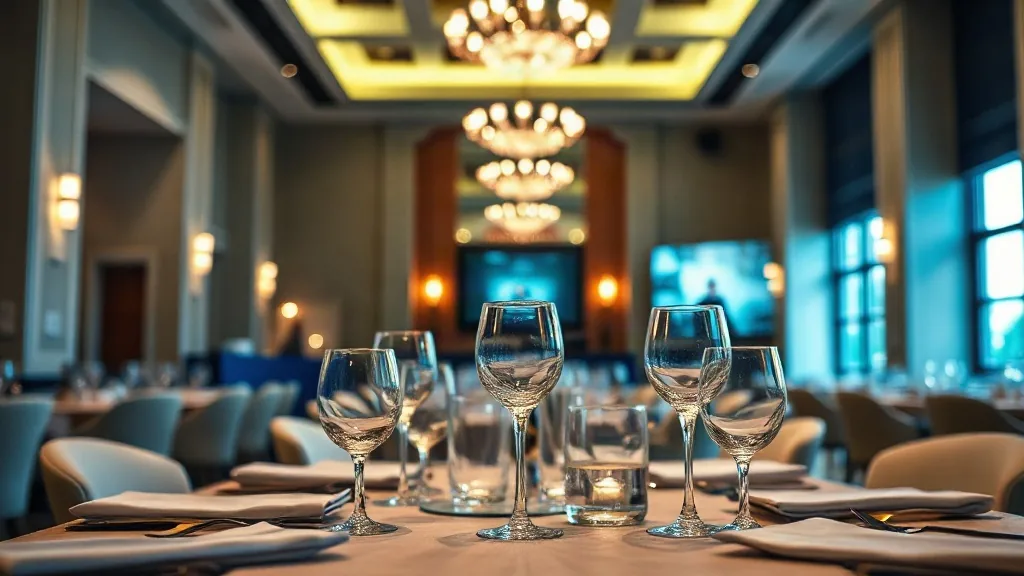
I said: “It’s actually a nicer room.”
She said: “Do it.”
What actually happened at noon
The summit started at 12:07pm — seven minutes late. The room was set. AV was fully operational. Catering had shifted seamlessly. I had positioned a greeter at the original hotel with a printed sign and a QR code directing guests to the new location — seventeen guests showed up at the wrong hotel, all of them redirected successfully.
The VP of HR introduced the day without any reference to the venue change. Attendees who had been to previous years’ summits commented afterward that the new room was “a step up.” Two of them asked who had picked the venue. I said the team had identified a great space. That was true, in a way.
At 4:30pm, while teardown was underway, I received a written apology from the original hotel’s GM, an offer to waive the room rental fee for the day (we had not yet been billed), and a handwritten note delivered by courier to the second hotel — which I thought was a nice touch even if it came too late to matter.
What I take from it
1. Have at least one backup venue contact in every city you plan events. Not a name you found on a website — an actual person you have worked with who will pick up the phone at 8:31am and say “let me check.” That relationship with the catering manager at the second hotel was built over an eighteen-month-old pharmaceutical dinner. That dinner paid for itself three times over that morning.
2. Commit to a callback time immediately. I gave the VP of HR “9:00am” before I knew what the solution was. That deadline organized my next fifty minutes. If I had said “I’ll keep you posted,” I would have managed my own anxiety instead of the problem.
3. Text your vendors in parallel, don’t call sequentially. The AV lead, the catering company, and my assistant were all in motion before I had confirmation from the second hotel. Parallel problem-solving is how you compress a four-hour solution into fifty minutes.
4. Read your contract’s force majeure and double-booking clauses before the event. The original hotel’s contract had a clause entitling us to a full refund and relocation cost coverage in the event of a venue-caused booking conflict. I did not need to invoke it in the moment — the GM cooperated — but knowing it was there changed how I spoke to him. Confidence matters.
5. Have a redirect plan for guests who show up at the wrong place. A greeter, a sign, a QR code. Seventeen people needed it that day. If those seventeen had been senior physicians standing at a locked ballroom at noon with no guidance, the day’s framing would have been different before it started.
The healthcare network has run the leadership summit for three years since. They’re at the second hotel now — they booked it directly the following year. I charge a premium for contingency logistics planning at events over 150 people. This is one of the reasons why.
If you have a major conference or leadership summit coming up and you want someone reviewing your backup plan before you need it, conference venue coordination is exactly what I do. Send me the contract and the venue diagram.


