
The Incentive Trip Winner Who Hates to Travel: How to Design Around 15% of Your List
Roughly one in seven sales winners dislikes long-haul or international travel for personal or medical reasons they may not disclose. Designing the incentive program to work for that 15% without reducing the aspirational value for the other 85% requires two specific format changes.

Every incentive trip list has a few people on it who would rather not go. They’ve won the trip, they don’t want to decline publicly (declining signals that you’re not a team player), and they’ll spend six days in Cancun wishing they were home. For some of them, it’s not a preference; it’s a real constraint. A medical condition that makes long flights difficult. A family situation that makes international travel impossible during a specific window. An anxiety about flying that they’ve never disclosed to their manager.
This group runs at roughly 10-18% of any incentive list, based on the patterns I see when I run post-trip feedback surveys. The number isn’t the problem. The design gap is.
Why the standard approach fails them
The standard incentive program is binary: you won the trip, here’s the trip. The destination is chosen for aspirational maximum. International beach resort, European city, Caribbean island. The people who love this format are vocal about it. The people who don’t are quiet about it, particularly if they’re top performers who don’t want to appear ungrateful.
The result: 15% of your winners have a bad experience. They participate in every activity, put on a good face, and come back with a neutral-to-negative association with the company’s recognition program. For top sales performers, that association affects retention in ways that most sales leadership doesn’t connect to incentive design.
Option 1: domestic equivalents at the same quality tier
A domestic incentive trip at the same quality tier as the international one is not a consolation prize if the properties are genuinely comparable. A three-night stay at a high-end hotel or resort property in a desirable domestic location (Napa Valley, Jackson Hole, Scottsdale, the Florida Keys) with access to yacht club or water activities, private dining, and a curated itinerary is genuinely aspirational for a large segment of your winners.
The design principle: the domestic option should not feel like a downgrade in any measurable dimension except location. Same room-category tier, same dining experience quality, same activity access, same per-person spend. If the international trip is $5,000/person all-in, the domestic alternative should be $5,000/person all-in. Don’t cut the budget because the winner is staying domestic.
Offer this as a parallel option, not a fallback. “We’re offering two destination options this year” is a frame that removes the stigma from the domestic choice. Several people who would have silently struggled through the international trip will choose the domestic option for legitimate reasons, and several who simply prefer domestic travel will choose it as a positive preference, not a concession.
Option 2: cash equivalent at the same dollar value
For a segment of winners, no trip is the right incentive. They have young children. They’re renovating their house. They’re saving for something specific. For those winners, a cash equivalent (or a high-value gift card, or a direct deposit to their financial account of choice) at the same dollar value as the trip provides recognition without friction.
The objection from incentive program designers: cash doesn’t have the same social cachet as a trip. That’s true for the 85% who value the experiential dimension. It’s irrelevant for the 15% who don’t. Don’t design for the wrong 15%.
The mechanics: offer the cash equivalent as an opt-in during the winner acceptance process. “Congratulations on qualifying for the [Year] President’s Club. You can join us in [Destination] from [Date] to [Date], or you can elect a cash equivalent of $[Amount], payable by [Date]. Please confirm your preference by [Deadline].” That language is clean, doesn’t stigmatize the domestic or cash choice, and gives you enough lead time to plan around actual trip participation numbers.
What this changes about the venue and format planning
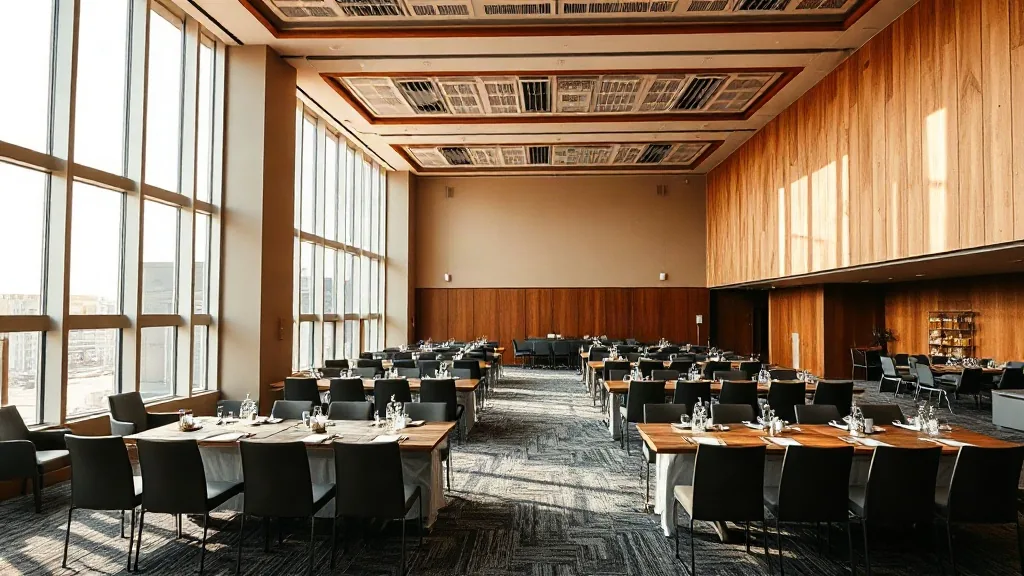
If 15% of your 80 qualifiers elect the domestic option and 10% elect cash, you’re now planning a trip for 60 people instead of 80. That’s a meaningful change in the room block size, the F&B planning, and the group activity logistics. Plan for an 80% participation baseline when you make your hotel room block commitment, with attrition protection language that gives you flexibility if the number drops.

For country club access, private dining events, or yacht-based excursions on the trip, confirm that capacity for 60-65 people works for the venues you’ve selected. Some yacht charters and private club events have a minimum that’s close to your full 80-person list and don’t work at 60. Sort this out before you design the trip itinerary around venues that require the full group.
The recognition framework that makes the alternatives feel equivalent
The opt-in structure only works if the communication treats all three choices (international trip, domestic trip, cash equivalent) as equally valid expressions of the company’s recognition. The incentive announcement language matters.
Don’t write: “You’ve qualified for our international President’s Club trip to [Destination]. For those who cannot attend, we’re offering a domestic alternative or a cash equivalent.”
Write: “You’ve qualified for our [Year] President’s Club recognition program. Based on your preferences, you can celebrate your achievement with us at [International Destination] from [dates], or with a curated domestic experience in [Domestic Destination] from [dates], or with a [dollar amount] recognition award paid to your account of choice. All three options represent our full recognition of your achievement.”
The framing difference is real. The first version positions the international trip as the real prize and the others as consolation. The second positions them as alternatives with equal value. For the 15% who choose the domestic or cash option, that framing determines whether they feel recognized or accommodated.
At a practical level, the domestic option works well at hotels and resorts with yacht club or marina access in destinations like Napa Valley, Scottsdale, or Palm Beach. The per-person spend at the domestic venue should be equal to what you’d spend internationally, not reduced.
One final note: the domestic and cash options will typically attract 20-30% of your qualifiers in the first year you offer them. That number will settle to 15-18% in subsequent years as people self-select into the program design that fits them. Track the opt-in rates by category and use them to right-size the two tracks next year. If 30% of qualifiers are choosing domestic, that’s data about your winner population, not a failure of the international destination.
What’s your incentive program winner count and destination range? I can help you identify the venue formats and the domestic alternatives that work at your budget per person.


