
Why Dinner Is Leaving the Corporate-Event Agenda
The sit-down dinner used to be the anchor of every corporate event. Now I'm cutting it from more briefs than I'm keeping it. Here's the trend, the math behind it, and when dinner still earns its place.

Ten years ago, the sit-down dinner was the anchor of the corporate event. You built everything around it. The program led to it. The awards happened during it. The relationships got made across a white tablecloth in the third hour of it. If you were planning a corporate event and there wasn’t a dinner at the end, someone was going to ask why.
I’ve been coordinating Atlanta events for nine years, on both the vendor and planner side, and I’ve watched that assumption quietly collapse. In the last 18 months I’ve cut formal sit-down dinners from more briefs than I’ve kept them. That’s not a coincidence. Something structural is shifting, and if you’re still defaulting to a three-course dinner as your event anchor, you’re probably spending $120-$180 per head on something your guests are tolerating, not valuing.
Here’s what I’m seeing and what I think is actually driving it.
The dinner was never really about the food
The formal corporate dinner was always a proxy for extended conversation time. Three hours at a table with assigned seating and a structured program gave people permission to talk. The food was the occasion, not the point.
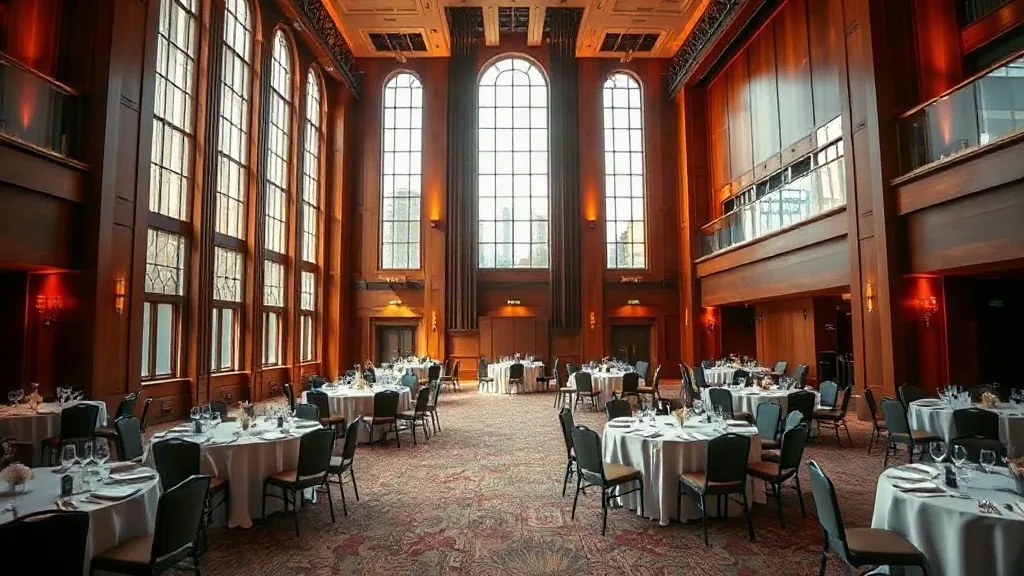
The problem is that assigned seating and a formal program are now the worst mechanism for generating conversation in most corporate contexts. People at round-of-ten tables talk mostly to the two or three people immediately adjacent. The director who drove forty minutes from the suburbs eats a rubbery piece of chicken and exchanges cards with someone they could’ve emailed. Then they leave at 9pm, slightly later than they wanted to, having had the same three conversations they would’ve had in a 45-minute reception.
That’s the real failure mode. Not the food — the structure. The dinner format produces conversation, but not necessarily the right conversations, and it produces them at a cost (F&B per head, minimum spend, venue hours, program time) that’s hard to justify when you start asking what they’re actually worth.
What’s replacing it
The formats I’m now recommending instead — and the ones I’m seeing sophisticated clients ask for without prompting:
The extended cocktail hour with stations. 90 minutes, heavy appetizers and action stations, open bar, no assigned seating. Cost: $60-$90 per head depending on city tier. Conversation quality: genuinely better than a dinner, because people move, self-select, and have short discrete interactions instead of one long assigned conversation. The Atlanta rooftop venues that I’ve used for this format in the last two years have consistently gotten better feedback scores than the hotel ballroom dinners I used to run.
The dinner-optional close. Full program, 3-4 hours. Dinner is available at a hospitality station (carving station, pasta, whatever the venue does well) but not the formal anchor. Guests eat when they want, or they don’t. This sounds chaotic on paper and works surprisingly well in practice. It’s what the conference centers in Georgia that specialize in all-day corporate formats are moving toward.
The breakfast or lunch anchor. Instead of a 6pm-10pm dinner, anchor the event in the morning or midday. Breakfast meeting with 90 minutes of networking, 45-minute program, done by noon. Costs a third of a dinner. Attendance rates are often higher (people cancel dinners, people keep breakfast meetings). This is not new — pharmaceutical and healthcare industries have been running medical-education events this way for years. The format is spreading.
The math is part of it
Let me give you an actual comparison from a client engagement I did in Atlanta in early 2025.
Option A: 180-person seated dinner. Venue rental, F&B minimum, service charges, gratuity, bar. All-in cost: $47,000 for a four-hour event.
Option B: Same 180 people, 90-minute cocktail reception with heavy stations, full bar, 30-minute awards program, done. All-in cost: $21,000 for a two-hour event.
The client went with Option B. Post-event survey (which I know nobody reads, but the client cared about it): attendees rated the event 4.4 out of 5. The prior year’s dinner: 4.2 out of 5. The reception was shorter, cheaper, and slightly better received. The $26,000 difference funded two additional smaller client appreciation events during the year.
That math is hitting a lot of corporate events budgets simultaneously, and it’s accelerating the shift away from formal dinners.
When dinner still earns its place
I don’t want to oversell this. There are contexts where the formal dinner is irreplaceable and cutting it is a mistake.
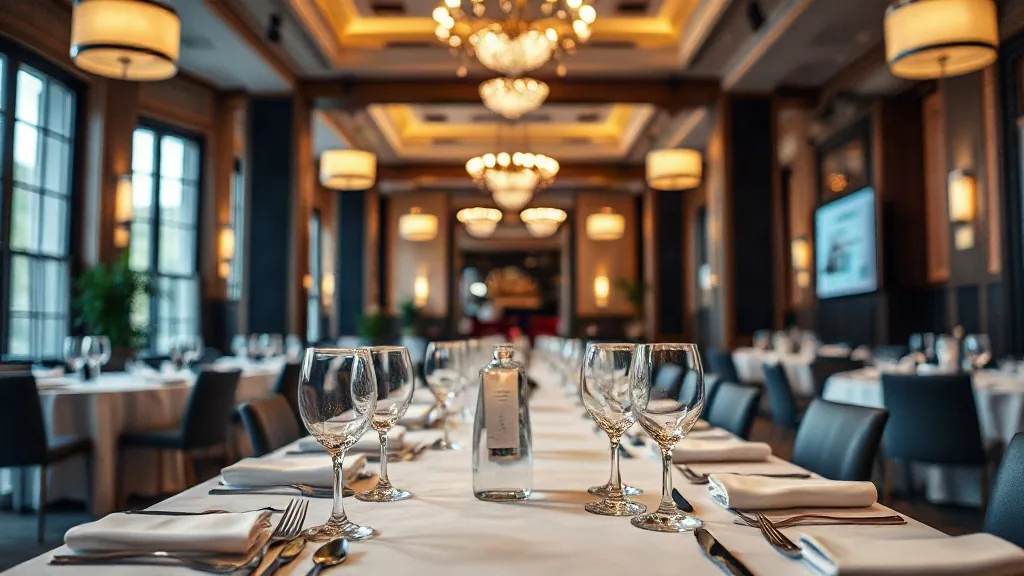
Annual galas and recognition events. When the event is about honoring people — retirees, award recipients, years-of-service recognition — the dinner is the ceremony’s natural container. The formality of a seated dinner with a program is part of what makes the recognition feel real. A cocktail reception doesn’t communicate the same weight. This is where I still book ballrooms and work with the venue’s formal-dinner infrastructure.
Senior leadership relationship events. A CEO dinner for twelve people is not a “dinner” in the corporate-event sense. It’s a relationship moment that happens to involve food. The format earns its cost in a way the 200-person company dinner doesn’t.
Entertainment or performing-arts tie-ins. If the dinner is followed by or paired with a concert, a theater buyout, or a performance element, the dinner is a preamble and it earns that role. The experience is the combined package.
For everything else — the annual all-company kickoff, the regional sales meeting close, the industry association evening reception, the client appreciation event — I’m running the numbers and more often than not recommending the extended reception format. Conference centers in Atlanta that offer flexible F&B programming are the ones I’m sending most of my RFPs to right now, because they can execute either format well without locking you into a ballroom-and-dinner default.
The venue side is catching up, slowly
Here’s the wrinkle: a lot of venues are still designed and priced around the dinner model. The F&B minimum, the staffing ratios, the room-setup defaults — they assume you’re doing a dinner. When you come in with a cocktail-reception-only program, some venues will price it correctly and some will effectively penalize you for not using the full kitchen.
The venues that are adapting are the ones building flexible station-service capabilities — live cooking stations, butlered heavy appetizer service, carving and pasta stations that function as dinner equivalents without the plated format. They’re also the ones allowing flexible start times that let you run a 90-minute reception without paying for a full dinner’s staffing window.
When I’m evaluating venues for a client who wants to cut the formal dinner, the first question I ask the catering manager is: “What does your station-service heavy-appetizer program look like for a two-hour reception for 150 people?” The answer tells me immediately whether this venue has adapted or is still defaulting to a dinner model they’ll try to sell me back into.
My practical take
The dinner isn’t dying — it’s narrowing to the events where it genuinely earns its price. Everything else is moving toward shorter, more flexible formats that cost less and often perform better by the metrics that actually matter: conversation quality, attendee satisfaction, and client ROI.
If your default is still a three-course dinner, audit your last three events. How many tables were fully engaged during the program portion? How many people left before dessert? What was your per-head cost versus your per-head value?
Then look at Georgia corporate event venues and ask which ones can run a serious 90-minute station reception instead. You might be surprised how many prefer it — shorter kitchen window, simpler staffing, easier cleanup.
Send me the brief. I’ll tell you whether the dinner earns its place or whether you’re paying $140 per head for a meal that’s not the actual product.


