
Walkability as a venue filter for a multi-day conference
For a three-day conference, the walk radius around your venue does more for attendee experience than the ballroom carpet. Here is how I score walkability, why it beats a shuttle program, and the ten-minute test I run on every host hotel.
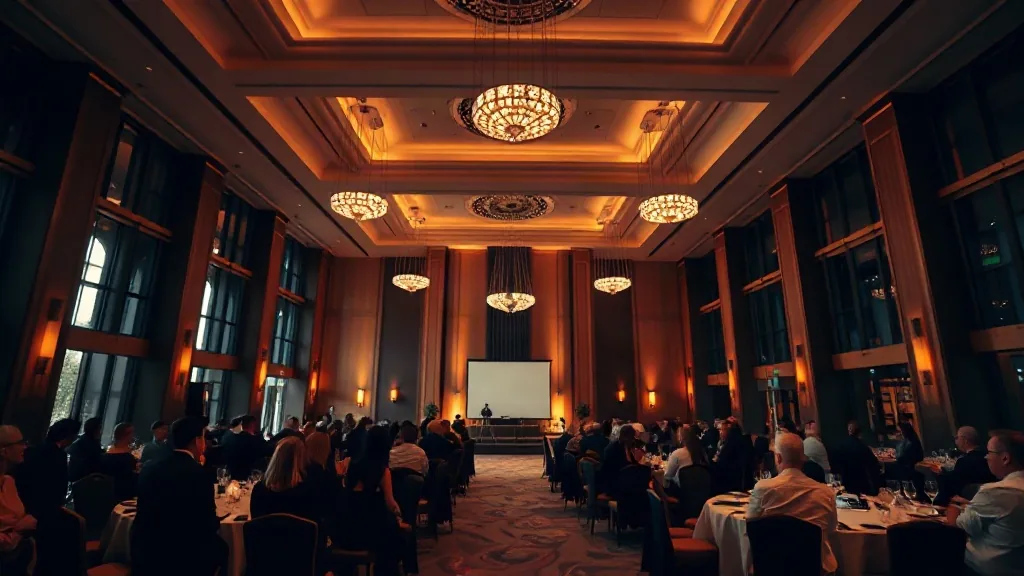
On the second night of a three-day finance conference in a suburban office park, I stood in a hotel lobby watching 180 attendees wait for shuttles to a restaurant nine minutes away by van. The line took 40 minutes to clear. By the time the last group arrived, the first group was ordering dessert. That is when I started scoring walkability before I score anything else on a multi-day booking.
For a one-day meeting, walkability barely matters, because people arrive, sit, and leave. For a three-day conference, the ten-minute walk radius around your host venue is the single biggest driver of attendee experience, and it is invisible on a floor plan. You have to stand on the sidewalk to see it.
Why it matters more than the ballroom
A multi-day conference has structured time and unstructured time. The structured time happens in your ballroom and you control it. The unstructured time, the two-hour dinner gap, the after-session drink, the 7am coffee run, the “let’s grab lunch and talk” between sessions, happens outside your walls, and it is where relationships and satisfaction actually form. If that unstructured time requires a shuttle, a rideshare, or a 20-minute walk past parking garages, most attendees just retreat to their rooms. The networking value of the conference collapses into the scheduled sessions, which is the part they could have gotten on a webcam.
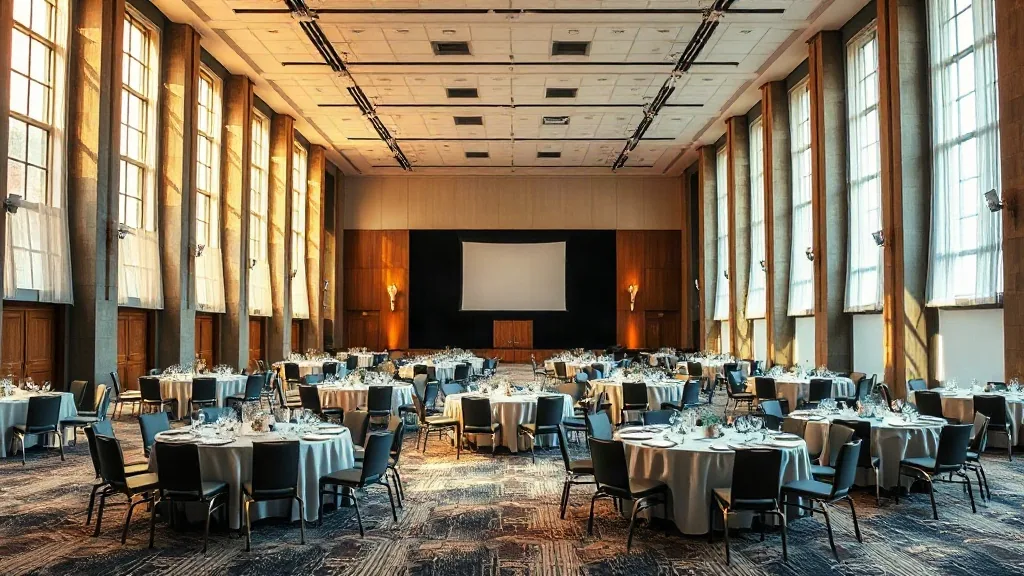
A walkable venue gives that unstructured time back for free. Six restaurants in a four-block radius means dinner groups form on their own without you organizing a single van. That is a better attendee experience and a smaller logistics budget at the same time.
What I actually score
I walk a ten-minute radius from the host-hotel front door, roughly a half mile, and count real things.
Food density. How many restaurants at three price points within a ten-minute walk? I want at least six, spanning a quick lunch spot, a mid-range dinner, and one nicer place for the client dinner. A single hotel restaurant for 200 people is a bottleneck, not an amenity.
Coffee. A real coffee shop that opens by 6:30am, separate from the hotel lobby cart, because the 7am pre-session coffee run is a social ritual and a lobby line of 200 kills it.
Evening safety and lighting. I walk the radius after dark, not just at noon. A block that is lively at lunch and dead and unlit at 9pm is not walkable for a mixed group, and this is where accessibility and safety overlap. Even, well-lit sidewalks with curb cuts matter for attendees using mobility aids as much as they matter for anyone walking back from dinner.
Pharmacy and basics. A drugstore within the radius handles the forgotten charger, the headache, the emergency dress shirt. Small thing, high relief when someone needs it.
Walkability versus the shuttle program
Planners reach for a shuttle to solve a non-walkable venue, and the shuttle is always more expensive and worse than it looks. A two-van shuttle program for a three-day event, with drivers and staging and the inevitable idle time, runs real money, and transportation cost by group size and distance shows how fast that line climbs once you are moving 150-plus people to dinner and back every night. Worse, a shuttle turns a spontaneous dinner into a scheduled logistics event, and half your attendees opt out rather than wait in a lobby.
The walkable venue deletes that line entirely. The money you would have spent on vans can go into the room block or the F&B, and the mechanics of getting the block right are in room-block math for a three-day conference. A walkable downtown host hotel often costs more per room than a suburban conference center, and the shuttle savings plus the experience gain usually justify it, though not always, which is the whole point of scoring it rather than assuming.
The venue-type tradeoff
Hotels and resorts in a downtown core are the walkability sweet spot, surrounded by restaurants and bars, though you pay for the location and the parking is a garage, not a lot. Conference centers split into two camps, the downtown-integrated ones that walk beautifully, and the standalone suburban campuses that are self-contained islands where everything sits on-property and nothing is a walk. Convention centers vary the most, because a big-box center can sit in a redeveloped district with a hundred restaurants or in a dead zone that empties at 6pm, and only a site visit tells you which.
The self-contained resort campus is not automatically wrong. A destination resort where all the dining is on-property and walkable within the resort can score well on my test even in the middle of nowhere, because the radius that matters is the resort’s own footprint. What fails is the venue that is neither downtown nor self-contained, stranded in an office park with one restaurant and a shuttle to everything else.
The parking factor people forget
Walkability and parking pull against each other. The most walkable downtown venues have the worst and priciest parking, and for a conference with local attendees who drive, that matters. I check the parking ratio by city tier against how many attendees are local versus flying in. A mostly fly-in conference should optimize hard for walkability and ignore parking. A regional conference where two-thirds drive in needs to balance the two, because a $45-a-day garage sours the local crowd fast.
The dinner-gap problem it solves
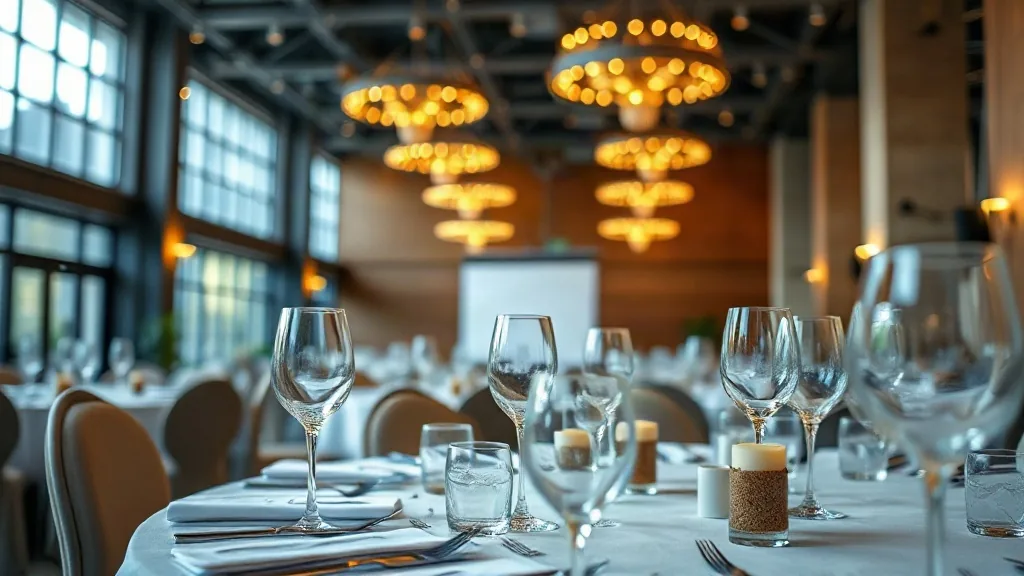
The clearest place walkability earns its keep is the second-night dinner gap. On a three-day agenda, night one is usually a hosted reception you control and night two is often left open on purpose, so attendees can form their own dinner groups. In a walkable venue that open night is a feature, because six people decide at 5:45 to grab tapas four blocks away and it just happens. In a stranded venue that same open night is a problem you have to solve, either by organizing a shuttle to a restaurant you pre-booked, which costs money and kills spontaneity, or by leaving people to fend for themselves with one hotel restaurant and a 40-minute wait. I have watched attendee satisfaction scores swing on that single night. The walkable venue turns the free night into the best networking of the conference. The stranded one turns it into room service and an early bedtime, which is the opposite of why anyone flew in.
The ten-minute test
Before I recommend a host venue for anything three days or longer, I do one thing. I stand at the front door and walk ten minutes in the direction of the nearest restaurant cluster, at night. If I pass six good dinner options, a morning coffee spot, and a lit, even sidewalk the whole way, the venue passes. If I am walking past surface lots and a highway on-ramp, it fails, and no ballroom finish saves it.
Walkability is the amenity that does not appear in the sales deck and does the most for how your conference feels. Score the sidewalk, not just the room.
Tell me your conference length, your headcount, and how many attendees are local versus fly-in, and I will tell you whether to optimize for the walk radius or spend the money on the room block instead.


