
What I Actually Pay for Event Photography: by Format, Duration, and Deliverable Count
Daisy Reyes shares real event photography invoices broken down by event type, hours, and final deliverable count. A 3-hour corporate event with 300 edited images runs $1,200 to $2,400 in tier-2 cities and $2,000 to $4,000 in tier-1. This post explains when to spend more and when the base rate is enough.

I spent $3,800 on an event photographer for a 4-hour healthcare awards dinner in Miami in 2022. The client used 14 photos. I’ve also spent $1,400 on a photographer for a 3-hour financial services panel event in Tampa and watched the client use every single image across a quarter of internal communications.
The budget didn’t predict the outcome. The brief did. After eight years of booking event photographers for corporate clients, here’s what I’ve actually paid and when it was worth it.
The baseline rate: what 3 hours and 200 to 400 edited images costs
For a typical corporate event, the deliverable that matters is: show up for 3 to 4 hours, photograph the arrival, the room, the program, and a few candid moments, deliver 200 to 400 fully edited images within 5 to 7 business days.
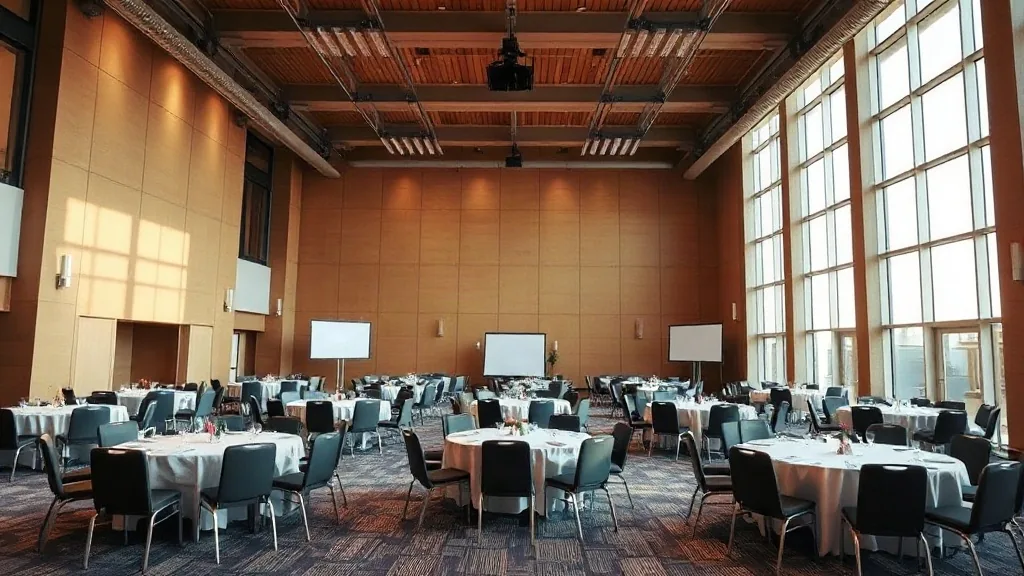
In tier-2 cities (Tampa, Orlando, Atlanta, Nashville, Charlotte), that scope runs $1,100 to $2,400 depending on the photographer’s experience level, the expected final edit count, and whether they’re traveling to the venue. The range breaks down roughly like this:
| Photographer tier | 3-hour rate, tier-2 cities | 3-hour rate, tier-1 cities |
|---|---|---|
| Entry-level (1-3 years) | $800 - $1,200 | $1,200 - $1,800 |
| Mid-level (3-7 years) | $1,200 - $1,900 | $1,800 - $2,800 |
| Senior/specialist (7+ years) | $1,800 - $2,600 | $2,600 - $4,200 |
The “senior/specialist” tier isn’t just about photo quality. It’s about the ability to work an executive event without becoming a distraction, to anticipate moments without direction, and to deliver a final gallery that requires minimal curation. For a board dinner or C-suite offsite, I pay for that tier. For an internal training day or employee recognition lunch, I don’t.
How the hours multiply the cost
Most event photographers charge a half-day rate (4 hours) or full-day rate (8 hours) as their base, with overtime charged at 1.25x to 1.5x the hourly rate beyond that.
Rate structure examples from my Tampa and Atlanta contracts:
| Duration | Rate structure | Typical cost, tier-2, mid-level photographer |
|---|---|---|
| 2 hours | Hourly, minimum 2 | $600 - $900 |
| 3 hours | Hourly or flat | $900 - $1,400 |
| 4 hours (half-day) | Flat rate | $1,200 - $1,800 |
| 6 hours | Half-day + overtime | $1,600 - $2,400 |
| 8 hours (full-day) | Flat rate | $1,800 - $2,800 |
| 10 hours | Full-day + overtime | $2,200 - $3,400 |
A gala that runs from 6pm to 11pm is a 5-hour event. If load-in and pre-event coverage starts at 4pm, you’re asking for 7 hours. That’s a full-day rate plus overtime in most contracts. Budget for a full-day flat rate minimum, not a half-day.
Deliverable count: the hidden cost driver
The rate covers the shoot. The number of edited images drives post-production time, which drives cost. A photographer who shoots 600 frames over 3 hours and delivers 300 edited images is doing a different job than one who delivers 50 selects.
Most mid-level event photographers deliver 100 to 200 edited images per hour of shooting. “Edited” means exposure correction, color grading, and cropping. It doesn’t mean advanced retouching. Retouching (skin smoothing, background removal, composite shots) is charged separately at $25 to $100 per image.
For corporate clients who use photos across LinkedIn, internal newsletters, event recaps, and speaker follow-up, I request 300 to 400 final images for a 3 to 4-hour event. That’s the volume that gives the marketing team real selection flexibility. If the client only needs hero shots for a press release, 50 to 75 selects is adequate and the photographer can price accordingly.
When to add a second shooter
For events above 150 people or events happening in multiple simultaneous spaces, a single photographer will miss things. Adding a second shooter costs 50 to 75 percent of the lead photographer’s rate. For a $1,600 lead photographer on a half-day event, a second shooter adds $900 to $1,200.
I add a second shooter for:
- Events with a general session and concurrent breakouts running simultaneously
- Awards dinners where the award presentation and the audience reaction both need coverage at the same moment
- Events with a separate VIP pre-reception that runs in parallel with general arrival
I don’t add a second shooter for any event under 100 guests that happens in a single room. One good photographer covers 80 guests in a single-room event with no coverage gaps.
The travel question
Photographers in my network in Tampa and Atlanta charge a $75 to $150 mileage and travel fee for events outside their home market. Events requiring an overnight stay (rare for corporate events in the Southeast) add a $150 to $250 per diem plus hotel. For a photographer traveling from Atlanta to Savannah for a 4-hour event, the travel add-on runs $120 to $180.
When I’m booking at a hotel or resort outside my home market, I ask the venue coordinator for two or three local photographer referrals before going to my regular network. Local photographers don’t charge travel fees and often have experience in the specific venue’s lighting conditions, which matters more than it sounds. A ballroom with aggressive uplighting or low ambient light at a luxury property requires a photographer who’s shot there before, or at least who knows how to handle mixed-color artificial light.
What the photo deliverables actually get used for
The question I ask every client before I write the photo brief: “Where will these images appear in the next 12 months?” The answer determines the scope.
If the answer is an internal recap email and one LinkedIn post, a 2-hour shoot with 100 edited images at $900 to $1,200 is entirely sufficient. If the answer is a keynote speaker’s website, the company’s annual report, press release distribution, and eight months of internal newsletter content, we’re talking about a 6-hour shoot with 400 edited images and a second shooter.
I’ve seen clients spend $3,800 on photography for an internal training event and $1,100 on photography for a client gala that went into the annual report. The mismatch comes from booking photography without connecting the scope to the downstream use.
For event venues with particularly strong architectural character or an outdoor garden setup, I also ask the photographer to budget 20 minutes of room shots before guests arrive. Those venue-detail images have a long shelf life for marketing purposes and cost nothing beyond the time already contracted.
If you have a corporate event coming up and need help sizing the photography scope and budget, share the event type, headcount, and duration. I’ll tell you what the brief should look like.


