
What Is a Venue Sourcing Commission and Who Is Paying It
Hotel and venue brokers receive 8 to 10 percent of total revenue as a commission paid by the venue. This creates a conflict of interest that most planners don't know exists. Here is how to verify your broker's incentives.

I worked with a venue sourcing agency for two years before I understood how they made money. I thought the agency was working for me because I was the one asking for help. I was wrong about the incentive structure in a way that cost me real money.
Venue sourcing agencies and hotel sourcing platforms (the ones that help you find and book venues “for free”) are paid by the venue, not by you. The commission is typically 8-10% of the total contracted revenue, paid by the hotel or venue after your event.
That commission structure is not inherently wrong. But it creates a conflict of interest you should understand before you rely on a sourcing partner’s recommendations.
How sourcing commissions work
A venue sourcing broker helps you identify hotels or event spaces, sends your RFP to their network, collects proposals, and sometimes manages the negotiation. In exchange, the venue that wins your business pays the broker a commission based on the total contracted revenue.
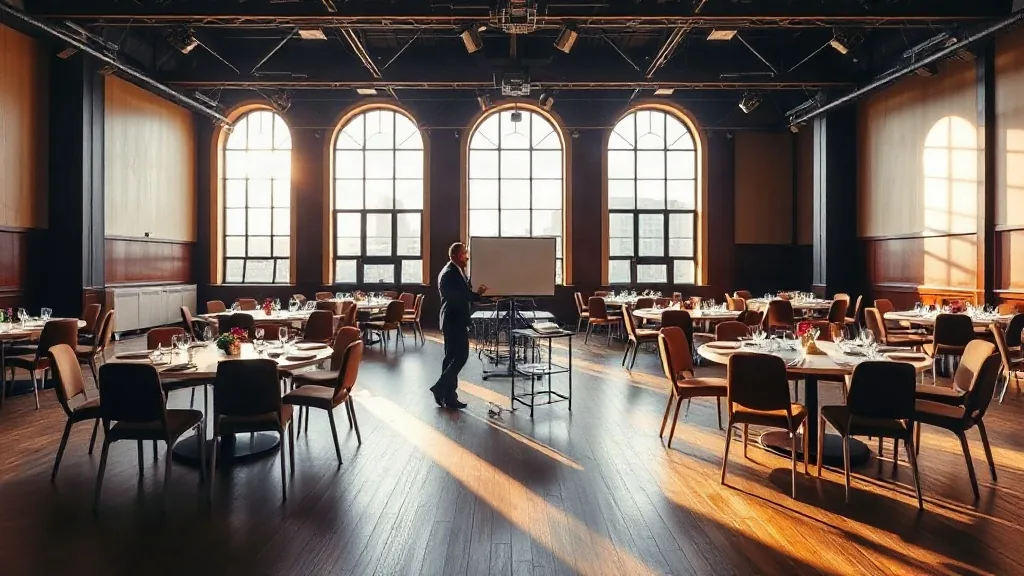
For a hotel event with $80,000 in contracted revenue (room block plus F&B), a 10% commission is $8,000. The hotel pays it. You pay nothing directly. The broker’s fee is built into what you pay the hotel, either explicitly in the quoted rates or absorbed into the hotel’s margin.
The commission is typically disclosed in the contract you sign with the hotel. There is usually a clause that says something like: “This agreement acknowledges that [broker name] is acting as agent for the client and will receive a commission of [X%] of contracted revenue.” Read that clause. If your sourcing partner hasn’t disclosed their commission structure to you directly, ask.
The conflict of interest
A broker who earns 10% of contracted revenue has an incentive to recommend venues that contract at higher revenue totals. A $90/night room block and a $60/night room block are not the same commission. A broker steering you toward the higher-priced property generates 50% more commission.
Most professional sourcing brokers are not actively steering clients toward overpriced venues. The reputational risk isn’t worth it. But the incentive structure exists, and you should account for it.
The conflict is sharper when the broker recommends properties they have pre-existing relationships with. Some brokers have preferred supplier agreements with specific hotel brands that pay higher commission rates. If your broker’s shortlist always includes the same 3 hotel brands and never recommends independent properties, ask why.
The platform equivalent
Online sourcing platforms work the same way. Cvent, HopSkipDrive (for group transportation), and similar platforms receive commissions from the suppliers they connect you with. The platform itself is free to you. The commission comes from the venue side.
Platforms have a second problem: they sometimes prioritize properties that are active advertisers on the platform over comparable properties that don’t pay for visibility. Your search results may not reflect the best options, they may reflect the best-paying options.
How to verify your sourcing partner’s incentives
Ask directly: “Who pays your commission, and what is the percentage?” A reputable sourcing partner will tell you without hesitation. The answer should be: “The venue pays us [X%] of contracted revenue. We disclose this to all parties.”
If they’re evasive, or if the answer is that they charge both you and the venue, that’s a more complex arrangement that requires closer scrutiny.
Also ask: “Do you have preferred supplier agreements with any hotel brands that affect the recommendations you make?” Preferred supplier agreements aren’t automatically problematic, but knowing they exist lets you evaluate the shortlist with appropriate skepticism.
When to use a sourcing partner anyway
Despite the commission structure, sourcing brokers provide real value for large, complex, or out-of-market events. A broker who sends your RFP to 30 relevant hotels in a city you’ve never booked before generates more options than you’d find independently. Their negotiating relationships and volume commitments with hotel chains can produce room rates you can’t access directly.
The right way to use a sourcing partner: use them for the sourcing and shortlisting, but do the final contract review yourself (or with a lawyer) to ensure the financial terms reflect your interests, not the commission structure.
For the RFP process that works regardless of whether you use a broker, see how to write a venue RFP that gets real answers.
What happens if you book directly after a broker introduces you
This is the question brokers dread and planners ask too rarely. If a sourcing broker introduces you to a hotel, and you then contact that hotel directly and book without the broker, you may still owe the broker a commission.
Most broker agreements include a “circumvention clause” that applies a commission if you book a property the broker introduced to you, even if you negotiate and sign the contract directly. The circumvention window is typically 12-24 months after the introduction.
Read your broker agreement. If there’s a circumvention clause, either work with the broker through completion or be transparent with the hotel that a broker is involved. Hotels are familiar with this situation and will usually guide you through the correct process.
Circumventing a broker to avoid a commission can result in being invoiced directly. Some brokers have clear contractual language and will enforce it. The simpler approach: if you used the broker to find the venue, use the broker to close the booking.
The question to ask before you start
“Who pays your fee, what percentage of revenue does it represent, and do you have preferred supplier relationships that influence your recommendations?” Getting clear answers to all three before you engage gives you the context to evaluate their recommendations accurately.
Also ask: “Is there a circumvention clause if I decide to book directly with a venue after receiving your recommendations?” This surfaces the terms of the relationship before either party has invested significant time.
Venue sourcing commissions are entirely legal and widely accepted in the hospitality industry. They are not a reason to avoid using a sourcing partner. They are a reason to understand what your sourcing partner’s incentives are, ask the right questions, and do your own independent rate check on any property that’s being strongly recommended. The commission model and the planner’s interests can align perfectly, but only when you’re informed enough to spot when they don’t.
One more consideration: some sourcing partners are paid a success fee only if the booking closes. Others charge a retainer regardless. A success-fee-only model aligns the broker’s interest with yours more directly. A retainer model creates an incentive to show activity even without producing results. Know which model you’re engaging before you start.
The fee structure also affects what happens when you cancel. If you hold a date through a broker and then cancel, who pays the broker’s success fee? Some broker agreements specify that a cancellation fee is owed if the booking reaches contract stage. Read the broker agreement as carefully as you’d read the venue contract.
You’re booking at a hotel or resort, conference center, or convention center. I work from a flat advisory structure, not a commission model. Share your requirements and I’ll help you think through the sourcing approach that fits your situation.


