
What Is a 'Hold' in Venue Booking: the Date-Claim That Isn't a Contract
A hold reserves a date without financial commitment. First holds have priority over second holds. Most venues give you 5 to 10 business days to convert. Here is how to use the hold without burning the relationship.

When I tell a client “I’ve put a hold on the date,” they hear “it’s reserved.” What I mean is closer to “I’ve claimed a position in line and we have about a week to decide.”
A hold is not a contract. It creates no financial obligation. But it does create an expectation, and mishandling the hold is one of the faster ways to damage a venue relationship.
What a hold is
A hold is a venue’s informal reservation of a specific date and room for a prospective client, made without a signed contract or deposit. The venue takes the space off general inquiry consideration for a defined period while the prospective client decides whether to book.
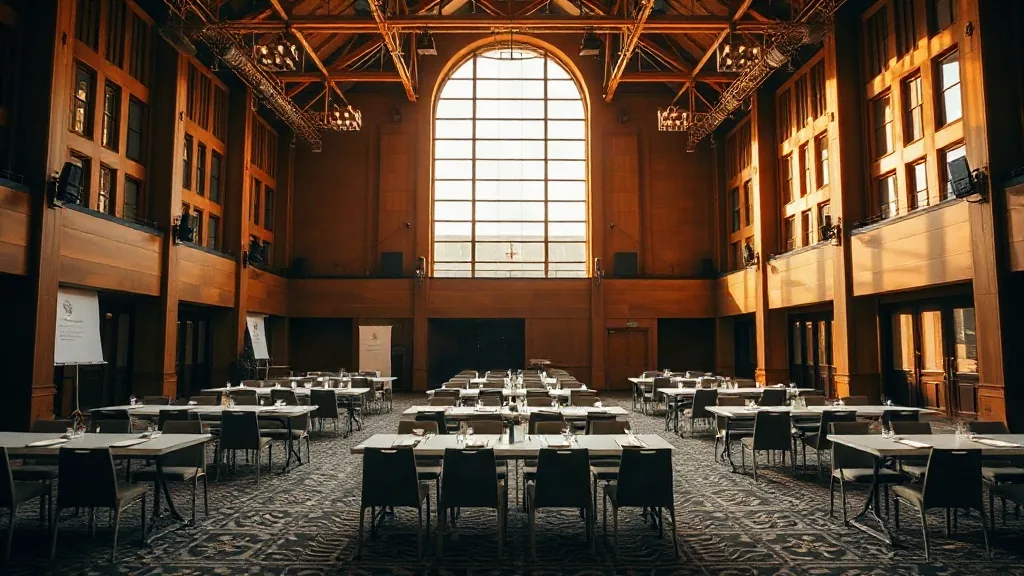
Holds are offered as a sales accommodation. The venue wants your business. They’re willing to set aside the date for a short window rather than risk losing you to a competitor. In return, you’re implicitly agreeing to give them a decision before the hold expires.
Most venues set a hold duration of 5-10 business days. Some offer shorter windows during high-demand periods. A venue booking a popular December Saturday may give you 48 hours, not 10 days.
First holds and second holds
When multiple clients are interested in the same date, venues manage the queue using hold priority. The first client to request a hold gets a “first hold.” The next gets a “second hold.”
Here’s what this means in practice: if a second-hold client is ready to contract immediately and the first-hold client hasn’t responded, the venue will contact the first-hold client and issue a “challenge.” The language is typically: “We have a second party interested in contracting this date. Can you confirm your intent within 24 hours?”
If you’re on first hold, a challenge requires you to respond quickly. Failing to respond within the venue’s stated window typically forfeits your first hold position, and the date goes to the second party.
If you’re on second hold and there’s a first hold ahead of you, you are not guaranteed the date. You’re waiting for the first-hold client to pass. Ask the venue: “Is there a first hold on this date? How long do they have to respond to a challenge?” Most venues will tell you.
The conversion expectation
When you place a hold, you’re creating an expectation that you’ll convert to a contract if the event proceeds. Not a legal obligation, but a relationship expectation. Venues track hold-to-contract conversion rates. A planner who holds 10 dates and books 2 is a problem for the venue’s revenue planning.
I hold dates strategically. I don’t put a hold on a venue I’m not seriously considering just to block competition or buy decision time for a client who hasn’t approved the budget yet. The appropriate use of a hold is when you’ve done a site visit, you’re waiting on internal approval, and you genuinely expect to contract if the approval comes through.
If a client asks me to hold a date “just in case,” I push back. Either we’re serious enough to hold, or we’re not ready. Burning holds damages the relationship with the venue’s sales team, and those relationships matter when you need a 48-hour favor.
How to handle the hold responsibly
The day you place the hold, note the expiration date in your planning calendar. If you need more time, contact the venue coordinator before the hold expires and explain why: “We’re still waiting on budget approval from the CFO. Can we extend the hold by 3 days?” Most venues will accommodate one extension request. Multiple extension requests signal indecision.
If you’ve decided not to book, release the hold immediately. Don’t let it expire silently. Call or email the coordinator: “We’ve decided to go a different direction. I’m releasing the hold on [date] for [room]. Thank you.” This is professional courtesy that costs you nothing and preserves the relationship for the next time you need a quick accommodation.
For more on hold mechanics and the conversion conversation, see holdover dates at venues.
How holds differ from deposits
A deposit is a financial commitment. Once you pay a deposit, you have a contract and cancellation penalties apply if you change your mind. A hold is pre-deposit. No money changes hands. No cancellation penalty exists, because there’s no contract yet.
Some venues ask for a “soft commitment” before placing a hold, meaning they want verbal or email confirmation that you’re seriously considering booking. This is reasonable. Others require a credit card on file but don’t charge it unless you fail to respond to a challenge. Read whatever written confirmation the venue sends when they confirm the hold. It should state the duration and what happens if you don’t respond.
The language to use
When requesting a hold: “I’d like to put a first hold on [date] for [room/space]. When does the hold expire, and what’s your process if a second party challenges?”

When converting: “I’m ready to move forward. Can you send a contract today?”
When releasing: “I’m releasing the hold. We’ve decided not to proceed with this venue.” Short and direct. No elaboration needed.
Holds in peak booking seasons
Hold dynamics change significantly during peak booking periods. In October and November, when venues are filling their December and January inventory, hold windows shrink. A venue that normally gives 10 business days may give you 72 hours during the holiday booking rush. A second-hold challenge may arrive within 24 hours of the first hold being placed.
If you’re trying to secure a December or January date and you know a budget approval is 2 weeks away, a hold is probably the wrong tool. Either accelerate the approval timeline or accept that you may lose the date to a client who can commit today.
The same compression happens in spring for summer dates at outdoor venues, and in September for fall dates at venues that compete for wedding business. When the calendar is tight, the hold is a courtesy the venue extends only to serious buyers.
Multiple holds across multiple venues
I sometimes hold dates at two or three venues simultaneously while a client’s internal approval process runs. This is an accepted practice, provided you’re honest about it if asked and you release the holds you don’t convert promptly.
The professional standard: inform the venue that you’re in an active competitive evaluation. “We’re holding two venues while our client finalizes a decision. We expect to know within [X] days.” This sets the relationship correctly. Most venue sales managers will accommodate a short dual-hold period for a serious buyer.
What’s not acceptable: holding a date at five venues with no intent to book most of them, or holding dates indefinitely without the expectation of converting.
The question to ask the venue
“If I place a hold today, what is the hold duration, and what is the challenge process if another client wants to book the same date?” Knowing both pieces before you commit to the hold lets you manage your own timeline and avoid being blindsided by a 24-hour challenge deadline on a date your CFO hasn’t approved yet.
You’re selecting an event venue, conference center, or banquet hall. Tell me the date range and your decision timeline and I’ll help you think through whether a hold is the right move or whether you need to move faster to contract.


