
What Is Attrition in a Venue Contract: the Clause That Costs Planners $10K-$100K
Attrition is a guaranteed-revenue clause in venue contracts. Miss the threshold on room block pickup or F&B spend and you owe the difference. Here is exactly how the penalty math works.

I’ve seen a $47,000 attrition bill land on a planner’s desk the week after a pharmaceutical conference. The conference ran well. Attendance was solid. But room pickup was 68% instead of 80%, and the hotel’s attrition clause set the penalty at the full room rate for every night under the threshold.
Attrition is the clause that costs corporate planners real money. Not AV surprises, not overtime charges. Attrition. And it’s in almost every hotel contract for groups above 10 rooms, often in conference center and venue contracts for F&B commitments too.
The definition
Attrition is a contractual provision that requires you to pay a penalty if actual spending or room pickup falls below an agreed percentage of what you promised. It exists because venues reserve inventory based on your projected numbers. If your group uses less than promised, the venue loses revenue it could have sold elsewhere.
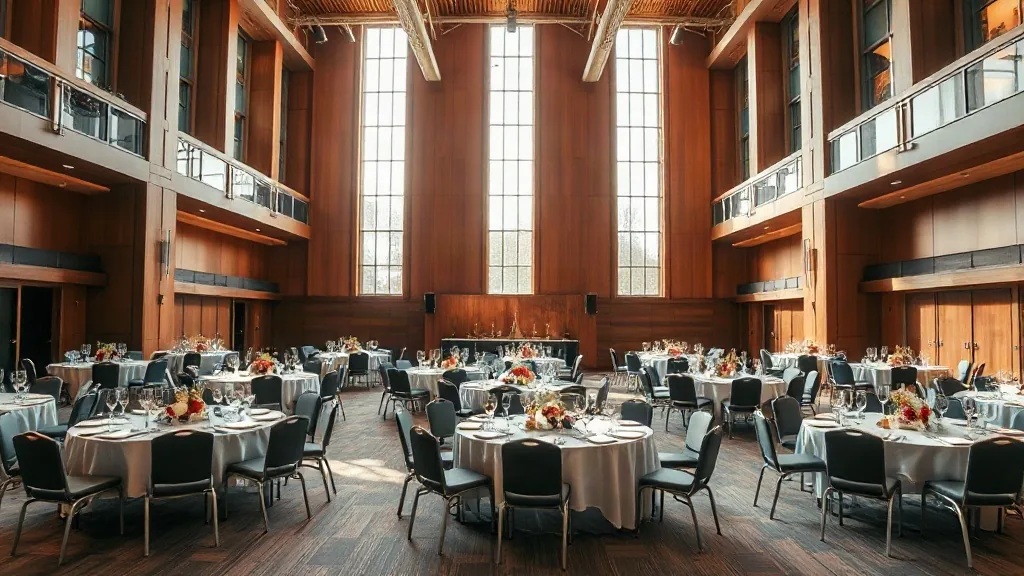
There are two types. Room block attrition applies to hotel sleeping rooms. The hotel holds a block of rooms at a negotiated rate. If your group doesn’t fill the block to the minimum pickup percentage, you owe the hotel for the difference.
F&B attrition applies to food and beverage minimums. If your group spends less than the contracted minimum on food and drink, you owe the shortfall, sometimes at full retail rate, sometimes at a reduced “lost profit” rate.
How room block attrition math works
Say you contract for 100 room-nights at $189 per night (10 rooms for 10 nights, or some combination adding up to 100 nights). The attrition clause sets the minimum pickup at 80%. Your group picks up 72 room-nights.
You are 8 room-nights short of the 80-room minimum. The penalty is typically calculated as: shortfall nights times the contracted room rate. In this case: 8 nights times $189 = $1,512.
Some contracts add a profit-margin calculation. Instead of charging you the full room rate, they charge you a percentage of it (often 85-90%) to approximate the hotel’s lost profit. Others use the full rate. Read your contract to know which applies.
Scale this to a 500-room conference and a 70% pickup against an 80% minimum: 50 room-nights short. At $269/night, that’s $13,450 in attrition penalties. I’ve seen this play out in real numbers. The $47,000 figure I opened with involved a larger block and a full-rate penalty clause.
How F&B attrition math works
F&B attrition is less common than room attrition but still appears in contracts for large catered events, particularly at hotel venues with F&B minimums.
Example: your contract requires $40,000 in pre-service-charge F&B spend. Your group ends up spending $33,000. The shortfall is $7,000. If the attrition clause requires you to pay 80% of the shortfall, you owe $5,600 even though you spent $33,000.
The 80% figure is meant to approximate the venue’s lost contribution margin on the food and drink you didn’t buy. Some contracts use 100%, which means you pay the full shortfall as if the food had been ordered and cooked.
Negotiating attrition before you sign
The most important attrition negotiation happens before you sign the contract. The points worth fighting for:
The pickup threshold. Industry standard is 80% for room blocks. Some venues start at 90%. Push for 75-80% as the floor. For first-time groups or uncertain attendance, argue for 70%.
The calculation method. “Lost profit” calculation (typically 85-90% of room rate) is more favorable than “full rate” calculation. Ask specifically: “Is the attrition penalty calculated at full contracted rate or at a reduced rate to reflect lost profit?”
The cure period. Some contracts allow a cure period after the event during which you can fill shortfalls by purchasing rooms at the same contracted rate. Negotiate for a 7-10 day window.
The resell credit. If the hotel sells rooms you’re being penalized for at any rate, you should receive credit against your attrition penalty. This is called a “resell credit” provision and is worth negotiating explicitly.
For the full negotiation framework, see attrition clauses explained for non-lawyers.
The two signals that attrition risk is high
First: remote destination or second-tier city where attendees need to fly. Attendance is harder to predict and cancellations run higher. Build that into your block size.

Second: voluntary attendance events (company social events, optional off-site workshops). Mandatory attendance events (mandatory training, annual sales meeting) typically hit 90%+ pickup. Optional events can land at 50%. Size your block accordingly, or negotiate a smaller guaranteed block with an option to add rooms later.
For more on room blocks, see what is a room block in hotel contracting.
The post-event billing timeline
Attrition penalties are typically invoiced 30-45 days after the event, once the hotel’s accounting team has reconciled actual room pickup against the contracted block. This is important because most planners consider the event closed once it’s over. Then a billing surprise arrives weeks later.
Some hotels send a preliminary attrition notice during the event if they can see that pickup is falling short. If you receive one of these, respond immediately. Ask whether there’s a resell credit applying, whether any rooms booked outside the block by your attendees (through personal reservations or OTAs) can be counted toward pickup, and whether the cure period is still open.
The “rooms booked outside the block” issue is more common than it should be. An attendee books directly through the hotel’s website at a slightly different rate because they missed the group booking link. The hotel counts those rooms against their own inventory, not your block. Some hotels will credit those rooms toward your pickup if you document them. Others won’t. Ask during contract negotiations: “If attendees book outside the group code, can those rooms be credited toward our pickup threshold?”
What to ask the venue before signing
Ask the sales manager: “Can you show me the exact formula you use to calculate attrition penalties?” Then ask for an example calculation using your block size and the minimum pickup threshold. Get that example in writing before you sign.
If they won’t show you the calculation, that’s not a reason to walk away, but it is a reason to hire an attorney to review the contract clause before you commit.
A second useful question: “What is your policy if attendees book outside the group code? Can those room-nights be credited toward our pickup?” The answer varies by property, and knowing it in advance saves a negotiation argument after the event.
Attrition is also one of the clauses general counsel reviews most carefully before approving a venue contract. If your GC redlines the clause, don’t assume it’s overly cautious. They’re often catching penalty language that planners have normalized as industry standard but that legal teams correctly identify as one-sided. The resell credit provision in particular is often missing from standard hotel contracts and worth adding before you sign.
You’re booking into a hotel or resort, conference center, or convention center. Tell me your block size and how confident you are in your attendance projection, and I’ll help you think through the attrition exposure.


