Who is liable when a vendor damages the venue
A cracked chandelier or dented panel sparks blame games; here is how to assign liability before you sign.
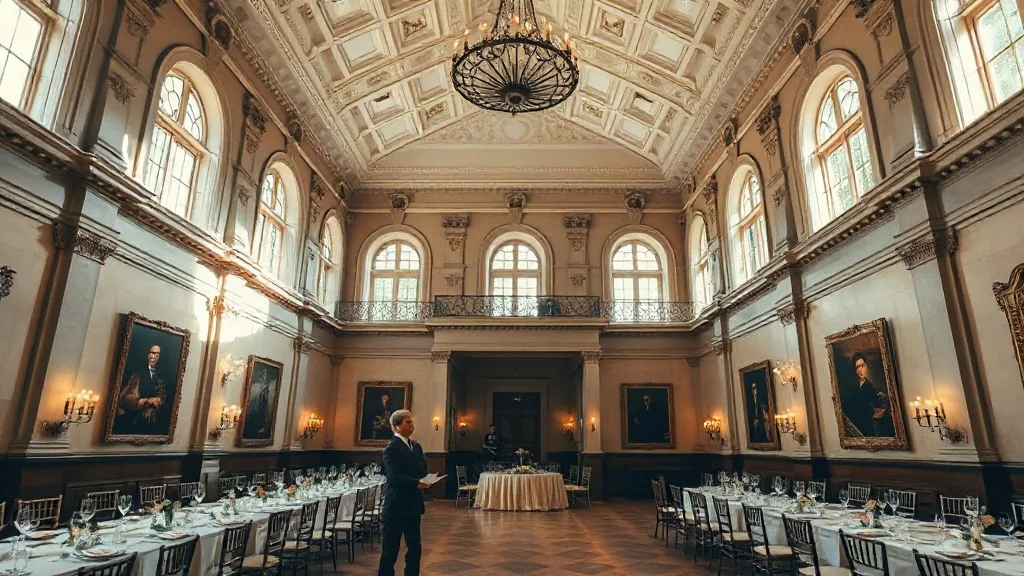
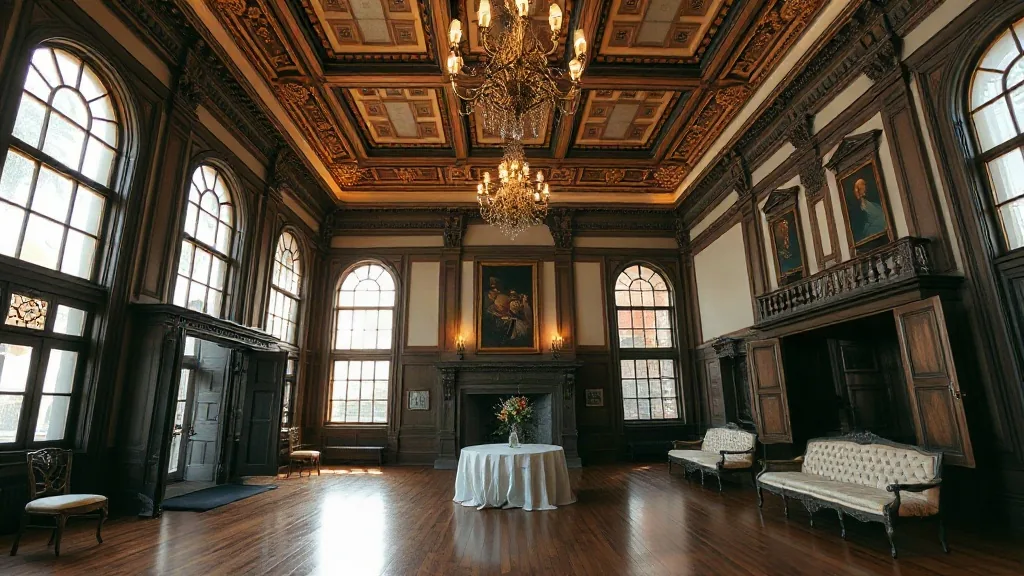
I’ve seen a $40,000 chandelier crack during a load-in because a rigger misread the hanging points, and I’ve seen a banquet server dent a $12,000 walnut panel with a cart they weren’t supposed to push. In both cases, the venue, the client and the vendors all pointed at each other for weeks. Liability isn’t a single line in a contract; it’s a web of indemnification clauses, insurance certificates and the order of operations on the day. This guide is about how to sort that out before you sign anything.
Where the liability actually sits in your contract chain
Here’s the concession every planner needs to make: you can’t negotiate away every indemnification clause. Historic buildings, especially, have owners who have been burned before. I’ve worked with the mansions in the historic mansions in New Bedford, Massachusetts where the trust that runs the property has a fixed addendum that no planner can alter. You don’t fight that clause. You manage it by making sure your vendors carry the right insurance and sign agreements that mirror that liability back onto them.
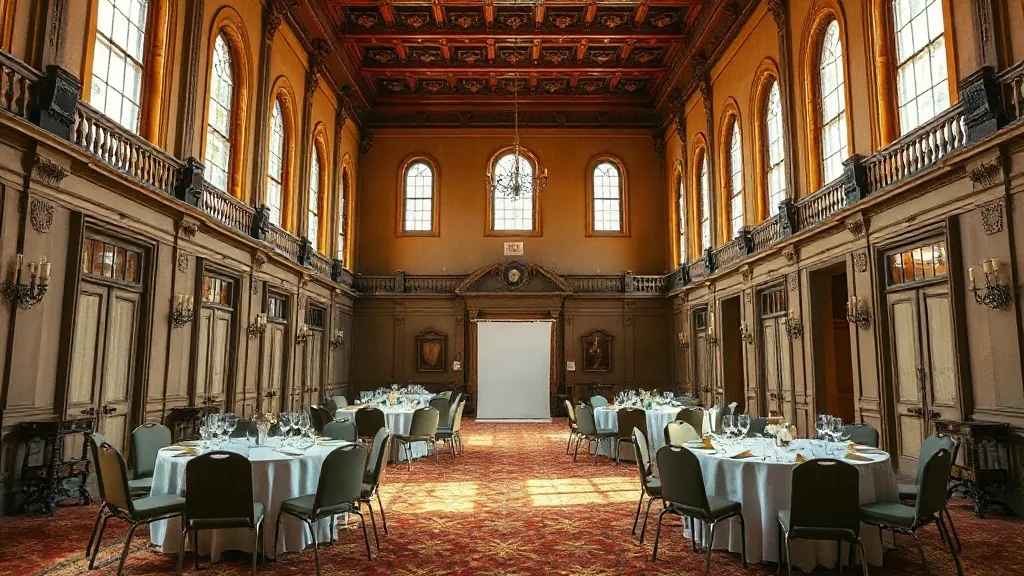
The venue walkthrough is the evidence that decides the claim
You should also verify the load-in path during this walkthrough. Damage happens in transit more often than it happens in the ballroom. A vendor carrying a heavy subwoofer through a narrow doorway in a building like the historic mansions in Portales, New Mexico can easily gouge a doorframe that is 140 years old. That damage is going to be charged to you, and the vendor will say the doorframe was already damaged. Your walkthrough photos answer that question before it’s asked.
I also use the walkthrough to set rules with the venue staff. Ask who has authority to stop a load-in if they see something dangerous. Get the name of the person on site during load-in, and get their direct line. That’s the person who will document damage when it happens, and their report is the document that the venue’s insurance adjuster will trust more than anything you say.
What your vendor agreements must say to protect you
Your vendor contract needs a clause that makes the vendor responsible for damage their crew causes, a clause that names the venue as an additionally insured party on their policy, and a clause that requires the vendor to carry a specific minimum of general liability coverage. I ask my vendors for $2 million in general liability, plus workers’ compensation where required. Most reputable firms carry that or more. If a vendor hesitates, that’s a red flag.
The wording of the damage clause matters as much as its existence. Ask for a clause that holds the vendor responsible for damages caused by their negligence, not just damages caused by their crew. That distinction protects you when a vendor’s subcontractor does the damage, which happens all the time. Your contract needs to extend the liability to the vendor’s agents and subcontractors.
I concede that smaller vendors will push back on this. A two-person AV company or a solo caterer might not have the insurance infrastructure to add the venue as an additionally insured party quickly. That’s fine. You can ask for their certificate and verify the coverage limits are high enough that you’re comfortable, or you can route them through a staffing agency that bundles liability. For a corporate event, however, you should hold the line. The cost of a damaged historic floor in a property like the historic mansions in Kirkwood, Missouri can outstrip a small vendor’s entire policy.
One more thing to include: a clause that requires the vendor to follow the venue’s rules for load-in, equipment placement and the use of any facility equipment. This clause matters because your contract with the venue will hold you responsible for those rules. If the vendor violates them, you need contractual recourse against that vendor. A simple sentence referencing the venue’s rules and incorporating them into the vendor agreement gives you that recourse.
The banquet event order is where all of this gets summarized. You should have the dates, the load-in times, the room setup and the vendor contact details in that document. My advice is to treat the BEO as the operational version of the contracts, and to explicitly reference the liability sections in your own summary. Read what I’ve written about the banquet event order versus the contract for a fuller breakdown on keeping those two documents aligned.
Handling the claim when damage happens anyway
No document prevents every accident. When damage occurs, your first move is to photograph it from multiple angles and get a written statement from the venue staff member who witnessed it, if there was one. Then notify your venue contact immediately. Most venue contracts have a notice provision that requires you to report damage within a certain period, sometimes as short as 24 hours. Miss that window and you may have waived your right to dispute the claim through your own insurance.
Do not admit fault on the spot. I’ve seen planners say, “oh, our AV guy must have done that,” only to find out later that the damage was pre-existing and the venue was testing whether you’d accept the charge. You can be cooperative without making an admission. Take the photos, fill out their incident report, but leave the cause blank until you’ve spoken with your vendor and your insurer.
Then you work the chain. Your vendor’s policy responds first if they’re named as additionally insured and the damage falls within their scope of work. If their policy denies it, your own event liability policy responds. If you don’t have event liability insurance, the venue’s policy may respond, but you’ll almost certainly face a deductible and a subsequent rate increase.
The realistic timeline for resolving these disputes runs several months. I had a claim at a historic mansion in Williamsport, Pennsylvania that took eleven months to settle, because the venue’s restoration specialist had to source a specific wood veneer that was no longer manufactured. The claim amount was less than the cost of the dispute itself. That’s why prevention beats resolution, and why every planner should send their own staff to a site inspection before they share a load plan with a vendor.
For outdoor and garden venues, the liability picture shifts slightly because the elements are a factor. Wind damage to a tent or a rented structure usually falls on the rental company’s insurance, but lightning damage to the venue’s trees or landscaping is often classified as an act of nature, which your contract may not cover. You’ll want to check your weather contingency language and possibly a weather insurance rider. I cover this in my piece on booking an outdoor or garden venue for a corporate event, and I keep that advice close because so many Bay Area clients want outdoor space in April and May, during the rainy season.
One final, real-world point: the relationship you have with the venue manager is worth more than any clause in your contract. A venue that likes you will work with you on claims. A venue that resents your presence will read the contract strictly. Be professional, be on time, and be very clear about who touches what. That goodwill doesn’t replace insurance, but it makes the disputes friendlier.
What’s your event date and your expected headcount? Sending those along with your venue contract, anonymized if you prefer, would let me give you a more specific read on your liability exposure. I’m happy to look at the indemnification clause and tell you where the gaps are.