
Why Outdoor Events in Florida Need Two Backup Plans (Not One)
The standard advice is to have an indoor backup for outdoor events in Florida. I followed that advice for four years. Then my backup plan failed too, and 160 people stood in a hotel lobby for 40 minutes while I made emergency calls. The two-stage contingency that came out of that experience, and why a single indoor fallback is not enough.

The outdoor ceremony plan had a backup. I always have a backup for outdoor Florida events. After six years of planning in this state, I know that a clear morning forecast in June can produce a thunderstorm by 4pm. The backup was a 2,400 square foot ballroom on the same hotel property, available and set for 160 people.
The thunderstorm arrived early. At 2:45pm, with doors scheduled for 3pm, the outdoor terrace was not usable. I activated the backup. I called the banquet captain and told him we were moving indoors.
He told me the ballroom’s air conditioning compressor had failed two hours earlier. The room was 88 degrees. In June in Tampa, 88 degrees with 160 people in formal attire was not a workable condition.
My backup plan had a single point of failure and it failed.
What happened in the 40 minutes
I moved people to the hotel lobby, which was air-conditioned but had no capacity for seated dining. The hotel restaurant opened their bar early and started running food to standing guests. The catering team relocated the dinner service to three hotel meeting rooms that combined to approximately 2,100 square feet, which was 300 square feet less than we needed for 160 people. We squeezed tables. We lost the planned bar station.
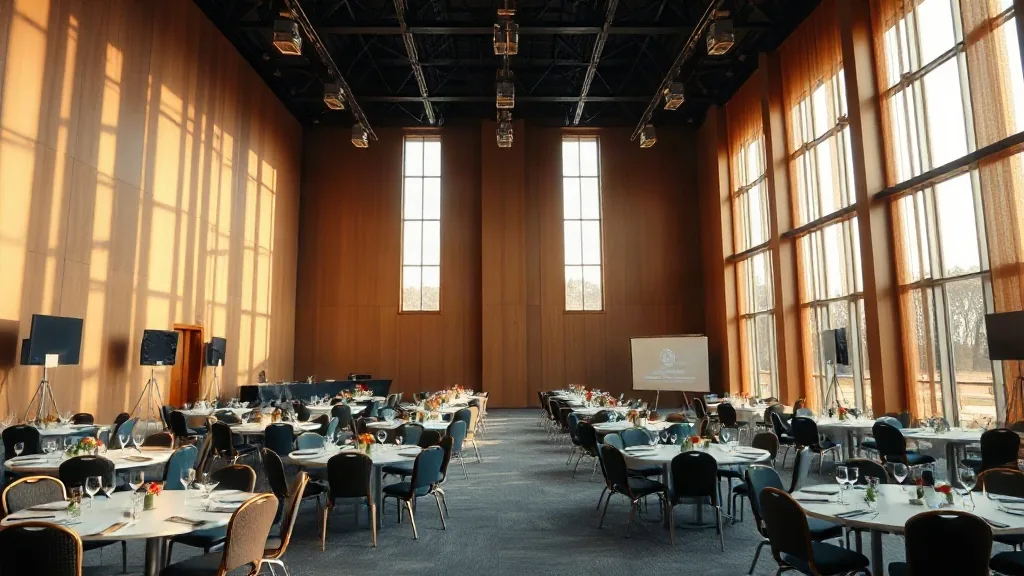
The event was an annual recognition dinner for a financial advisory firm. It had a formal program. The seating plan I had built over three days became meaningless because the new room configuration couldn’t match it. The program ran 25 minutes late. The client was gracious. I was not.
The two-stage contingency that replaced my single backup
After that event, I rebuilt my outdoor contingency process for every Florida event. The new standard has two stages.
Stage one: a partial outdoor contingency. This is a tent or canopy solution that handles a 30% weather compromise, meaning light rain, mild wind, or the threat of storms that may pass. Tent and canopy rental in Florida for a 160-person event footprint runs $1,800-3,200 depending on configuration and tent quality. The tent is not set up in advance; it’s staged at a vendor yard within 45 minutes of the venue, available on a 3-hour call. I confirm this staging in writing at contract, not the week of the event.
Stage one handles the situation where weather is uncertain but not definitive. It buys time and options. If the storm passes, the tent comes down. If it doesn’t, stage two activates.
Stage two: a confirmed secondary indoor room with dedicated AV and independently verified HVAC. Not the same property’s primary backup. A separately confirmed, inspected, and contracted indoor space that is not contingent on the same venue’s infrastructure.
For hotel outdoor events, this means confirming a secondary room option at a different property within 20 minutes of the venue. I ask my client to hold a contractual option at a nearby property for weather backup. The hold costs nothing if unused and costs the deposit fee if activated. At two Florida outdoor venues I’ve worked with since 2022, this secondary hold is now standard in my client proposal.
The HVAC verification requirement
The specific failure in Tampa was infrastructure: an air conditioning system that failed on the day of the event. This is not an unusual failure mode. Commercial HVAC systems at hotels and event venues are complex and old, particularly at mid-tier properties that haven’t completed capital upgrades.
My site visit protocol now includes a direct question to the venue’s facilities manager: what was the last HVAC service date for this room, and is there a backup cooling system for events above 100 people? I ask to see the service log if there’s one available.
This question has surfaced two subsequent properties with known HVAC issues that hadn’t been disclosed in the sales conversation. One property told me their backup room had a compressor that was “scheduled for replacement in Q3” while we were contracting for a July event. I moved the event.
The banquet captain doesn’t always know about HVAC status. The sales manager doesn’t always know. The facilities manager knows. Getting in front of the right person requires asking the specific question.
The contract language that goes with two-stage contingency
For events where outdoor space is primary and the backup matters, I now include a venue performance clause: “In the event that Backup Space identified in Exhibit A becomes unavailable due to infrastructure failure on event day, Venue will provide equivalent indoor space at no additional charge or refund Venue Rental Fee in full within 30 days.”
Most venues accept this language because it only applies to infrastructure failure on their end, not weather itself. Weather is covered by force majeure. An HVAC compressor failure is not force majeure; it’s a venue service failure. The distinction matters.
Two properties have pushed back on this language. In both cases I took that as a signal about their confidence in their own infrastructure and adjusted my assessment accordingly.
When Florida outdoor events are worth it
Florida outdoor events at outdoor and garden venues are genuinely excellent between November and March. The temperature window, roughly 60-78 degrees, and the low probability of afternoon thunderstorms in those months make outdoor programming more reliable than anywhere else in the country in winter. The spring calendar in the Southeast gets discussed extensively; the winter outdoor window in Florida is underutilized by planners who haven’t experienced it.
April and October are transition months with usable windows but real storm probability. May through September is the problematic window: not impossible, but requiring both stages of contingency as standard practice.
At Florida hotels and resort properties with outdoor spaces, the more sophisticated operations maintain weather monitoring contracts with a weather service and provide the event planner with a morning-of weather brief. Not every property does this. The ones that do are the ones that have learned the hard way, same as I did.
If you’re planning an outdoor event in Florida, share the month, location, and headcount. I can tell you whether the single-backup assumption is safe for your specific parameters, and what a two-stage contingency would cost for your event size.


