
Working with a staffing agency for registration and coat check
Temp staff run $28 to $45 an hour with a four-hour minimum, and the difference between a smooth check-in and a 20-minute line is how you order and brief them. Here is how many bodies you actually need and how to keep the agency markup honest.
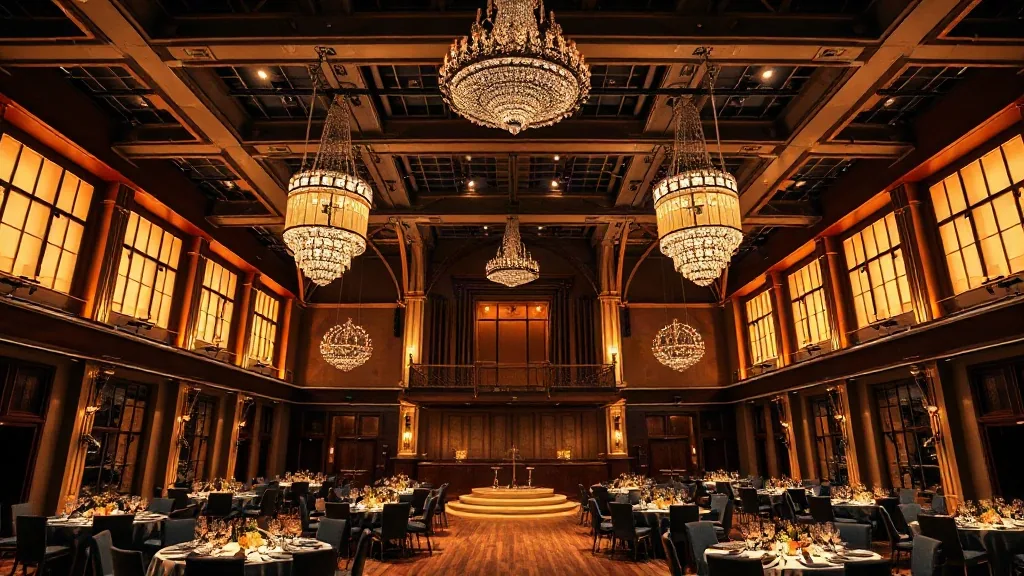
I once watched 400 people form a single line at a two-person registration desk because the planner ordered “a couple of check-in staff” and called it done. The doors opened at 8, the keynote started at 9, and at 8:40 there were still 120 people outside the ballroom with badges they hadn’t picked up. The agency didn’t fail. The order did. Two temps can process a trickle. They cannot clear 400 arrivals in a 45-minute window, and no amount of hustle fixes an understaffed desk.
Staffing agencies are the right tool for registration, coat check, ushers, and general event-day labor. You don’t want to fly your own people in to fold coats, and you don’t want full-timers on the clock for a six-hour event. The agency handles payroll, insurance, and replacement if someone no-shows. What they can’t do is tell you how many bodies your event needs. That math is yours, and getting it wrong is the most common reason check-in becomes the first thing attendees complain about.
What temp staff actually cost
Event staff bill by the hour with a minimum, and the rate depends on the role and the city. General registration and coat-check staff run $28 to $45 an hour in most markets. A lead or captain who manages the crew runs $40 to $60. Almost every agency bills a four-hour minimum per person, so a two-hour coat check still costs you four hours a head.

That hourly rate already includes the agency markup, which is where your money partly goes. The temp might take home $18 of a $38 bill rate; the agency keeps the rest for payroll, insurance, recruiting, and margin. That’s a fair trade for not running payroll yourself, but it means you want to order the right number, not a padded one. I check rates by role against event staffing cost per role by city tier before I approve an order, because a tier-1 city desk runs meaningfully more than a tier-3 one and agencies quote to the high end.
Sizing the registration desk
Here’s the arithmetic the two-person disaster ignored. A trained check-in staffer with a scanner and a clean list processes roughly one attendee every 20 to 30 seconds, call it 2 per minute at a good clip. If 400 people arrive across a 45-minute window, that’s about 9 arrivals a minute at the average, but arrivals cluster. Half your crowd shows in the busiest 20 minutes.
So size for the peak. To clear 200 people in 20 minutes you need to process 10 a minute, which at 2 per staffer per minute means 5 check-in stations running at once. I’d order 6 registration staff plus a lead: five on stations at the peak, one floater handling problems and walk-ups so a single “my badge isn’t here” doesn’t stall a whole line. For a 400-person event, six is the number. Two was never going to work.
The layout matters as much as the count. Alphabetical splits (A-F, G-M, N-Z), clear signage, and the problem-resolution station pulled off to the side so it doesn’t block the flow. I lay all of that out in how to set up a registration table that works, and I hand a copy to the agency lead so the crew runs it my way, not their default way.
Coat check is its own math
Coat check gets under-ordered because people think it’s easy. It isn’t, at the ends. Intake spreads out as people arrive, but the outbound rush at the end of the night is brutal: 300 people want their coat in the 15 minutes after the closing remarks, all at once. A coat-check attendant retrieves a coat in about 30 to 45 seconds if the racks are numbered and organized. To clear 300 coats in 15 minutes you need to move 20 a minute, which is 3 or 4 attendants working the outbound rush.
I order coat check to the outbound peak, not the intake average, and I number the tickets and racks so retrieval is a lookup, not a hunt. Two attendants for a 300-coat event is the same mistake as two for registration, just at the other end of the evening.
Order the right roles, briefed the right way
An agency will send you warm bodies. Whether they’re useful on your event depends entirely on the brief. I send the agency lead a one-page document 48 hours out: call time (I want staff 90 minutes before doors for registration, not 15), dress code, the exact scanner or check-in system they’ll use, the badge-pickup process, what to do when a name isn’t on the list, and who the on-site escalation contact is. Then I run a 20-minute walkthrough on-site before doors so the crew knows the room.

The single highest-value hire is the lead. A good agency captain manages the crew, handles breaks, and solves problems so I don’t have to stand at the desk. Order one lead for any crew over four people. The full picture of how agencies structure crews, bill, and staff is in how staffing agencies work for event-day labor.
Where the venue changes your order
A convention center with union labor rules may require you to use in-house staff for certain roles, or restrict what your outside temps can touch. Read that before you book an agency, because ordering outside staff into a union house can trigger a grievance and a bill. A standard conference center or independent event venue usually lets you bring whoever you want, and there the agency market is open and competitive.
Keep the markup honest
Two things keep an agency quote clean. First, ask for the bill rate per role and the minimum, itemized, not a lump sum. A quote that says “event staff: $4,200” is hiding the count and the rate. Make them show 6 registration at $38 for 6 hours, 1 lead at $52, 4 coat check at $34, and the math snaps into focus. Second, confirm the four-hour minimum and don’t over-order hours; a crew that arrives 90 minutes before doors and leaves 30 minutes after close is a clean six-hour call, and you don’t need to pad it to eight.
Registration is the first thing your attendees experience and coat check is the last. Both are staffing-count problems dressed up as simple tasks, and both go wrong the same way, by ordering for the average instead of the peak.
So before you place the order: what’s your headcount, how tight is your arrival window before the first session, and do you have a coat check with an all-at-once outbound rush? Give me those and I’ll tell you exactly how many bodies to order.


