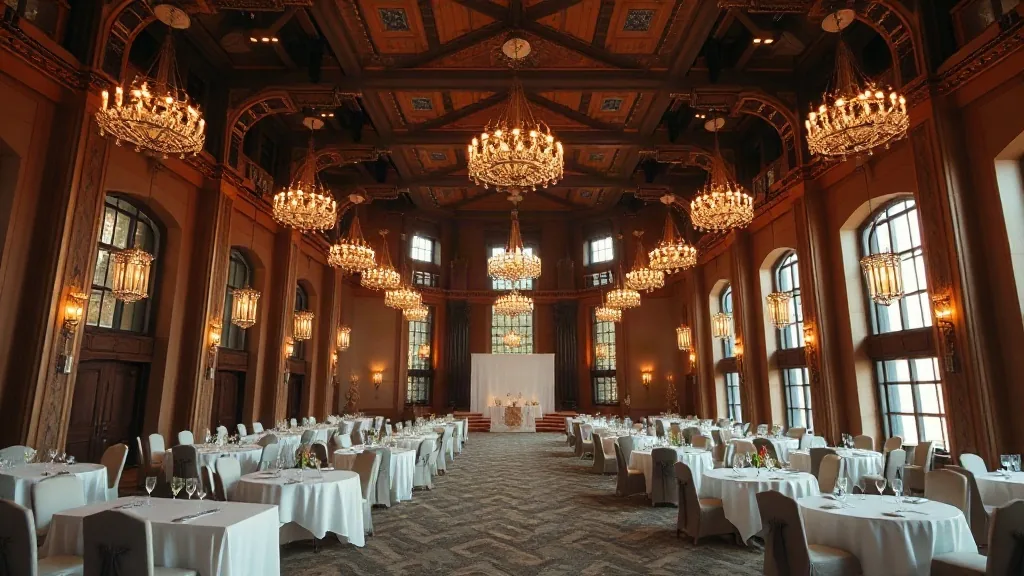
How to Book an Art Gallery for a Corporate Event
Art galleries offer exclusivity and a built-in conversation starter, but the booking process is governed by artwork insurance requirements, caterer restrictions, and seated-capacity limits that catch most planners off guard. This guide covers the real rules, pricing structures, and questions to ask before you commit.

A 60-person client dinner inside a gallery showing a private collection is a different experience than a hotel ballroom, and the clients know it. That’s the appeal. But the first thing a gallery director will tell you, usually in the second sentence of your inquiry, is that the space is not a restaurant and won’t function like one. I’ve done client dinners and receptions in roughly a dozen galleries over eight years working DC and New York association events. The format works. The requirements are specific.
What makes a gallery usable for corporate
The commercial gallery model in most cities creates a secondary revenue stream through private event rentals, usually outside gallery hours or when a show is between installations. A working gallery showing active exhibitions has specific rules about proximity to artwork and lighting. An empty gallery between shows gives you more flexibility but less of the ambient effect that made the gallery appealing in the first place.
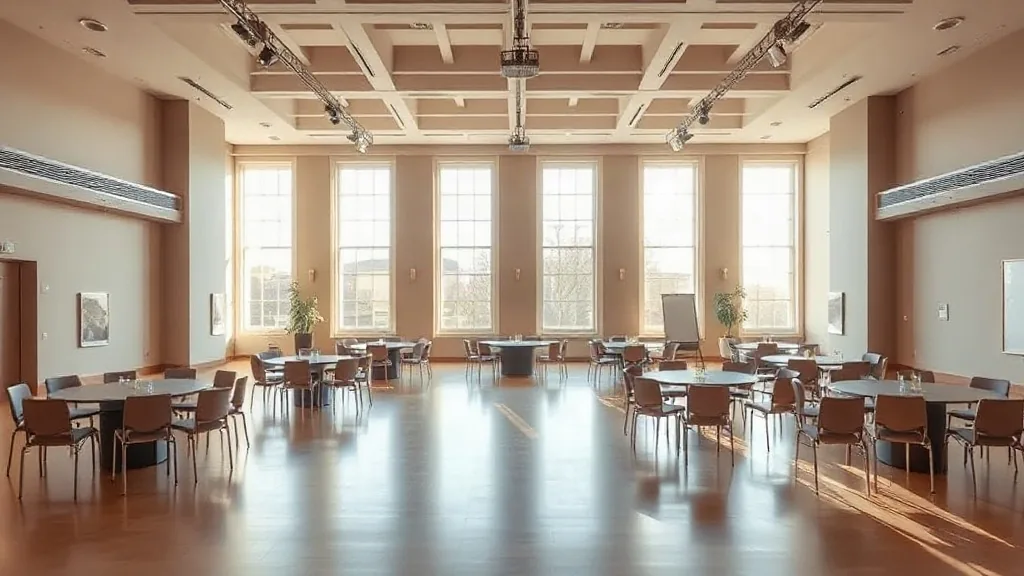
The sweet spot for corporate bookings is a gallery that has a permanent collection or a long-run exhibition with open floor space. Galleries in converted industrial buildings (many in Brooklyn, DC’s Georgetown, Chicago’s River North, LA’s Culver City) tend to have the combination of art, height, and load-in logistics that works for events above 50 guests.
For under 40 guests, almost any gallery with a single large room works. For 80 to 150 guests, you need a gallery with either multiple rooms or a dedicated event area separate from the main exhibition floor.
The artwork insurance issue
This is the detail that derails gallery bookings more than anything else. Most galleries carry their own fine art insurance for the collection. When you bring in a corporate event, the gallery’s insurer requires either a rider on your event policy or written confirmation that your GL covers damage to the artwork on display.
Standard language in a gallery event contract will hold you liable for damage to artwork “caused directly or indirectly by the event, guests, vendors, or event staff.” That’s broad language. A waiter clips a sculpture with a tray. A guest presses a palm against a canvas wall. The dollar exposure on a mid-tier gallery show can run $200,000 to $2 million.
Ask for the valuation of the work on display at the time of your event. If the gallery can’t provide that, ask your broker to confirm that your event GL policy covers third-party property damage up to a specified limit. A $2 million GL policy is often adequate for a smaller gallery; a $5 million policy or a separate fine art rider is the safer position for a major commercial gallery.
Flash photography and caterer equipment rules
Most galleries prohibit flash photography near artwork as a standard rule. This affects corporate event photography directly. Brief your event photographer before the shoot, and ask the gallery whether the prohibition extends to phone flash. Some galleries are strict; others only care about professional equipment.
Catering equipment proximity rules are the other universal restriction. The standard you’ll encounter in most gallery contracts:
- No chafing dishes with open Sterno within 8 feet of original artwork
- No smoke machines, fog effects, or open-flame decor
- Catering equipment must be on rubberized wheels or furniture pads on hardwood floors
- No adhesives (tape, putty, command strips) on walls
- No confetti, glitter, or loose decor near framed pieces
Ask for the caterer requirements document. If the gallery doesn’t have one written down, that’s a sign they haven’t done many events and you’ll be managing the restrictions verbally on the day.
Seated capacity: the real numbers
This is where gallery events lose planners. Galleries are designed for standing traffic flow, not seated dining. The seated capacity of most gallery spaces is 35 to 50 percent of the cocktail standing capacity.
A gallery that markets itself as 200-person capacity for a reception will seat 80 to 100 people for a plated dinner with round tables, assuming you can get a caterer’s service path between tables. At 12 people per table (72-inch round), you need 36 square feet per guest minimum for tables plus 18 square feet for service circulation. A 3,000-square-foot gallery seats roughly 50 to 60 for plated dinner.
If the gallery tells you they can seat 100 and the space is under 3,500 square feet, ask for a floor plan with the table layout drawn to scale. I’ve seen proposals where every aisle was 18 inches wide and nobody could serve from them.
Standing receptions work better in most galleries because they match the space’s design. If your event is a cocktail reception, an art gallery is close to ideal. If it’s a seated dinner above 60 people, you’re working against the space.
Pricing structure
Gallery rental fees in tier-1 cities run $3,000 to $12,000 for a 4-hour evening rental depending on the gallery’s reputation and the size of the space. Tier-2 cities run $1,500 to $6,000. Smaller regional galleries in tier-3 markets occasionally rent at $500 to $1,500 for an evening.

These fees almost never include catering, and most galleries maintain a preferred caterer list of 3 to 8 vendors. Unlike hotels, galleries rarely have in-house catering, so you’re bringing in a full outside catering operation with mobile kitchen equipment. Add $75 to $130 per person for catering depending on the format.
Some galleries, particularly those that are nonprofits or museum annexes, add a charitable contribution to the rental fee. Confirm this before you sign because it affects your invoice coding.
Questions to ask before signing
- What work will be on display during our event and what is its approximate valuation?
- Does the gallery have a preferred caterer list, and will outside caterers be considered with approval?
- What is the after-hours staffing protocol? Does a gallery staff member stay on-site during the event?
- Where is the load-in entrance and what is the elevator capacity for catering equipment?
- Are there any lighting restrictions on the current installation?
Gallery buyout vs gallery presence
There’s a meaningful difference between booking the gallery for an exclusive corporate event and booking a table at a gallery opening and bringing 20 clients. Both are valid corporate entertainment; they’re different products.
A full gallery buyout gives you the space, controls the guest list, and lets you design the experience. It also commits you to the minimum spend and the logistics described above.
A sponsored presence at an existing gallery opening (buying a block of tickets or co-sponsoring the event) gives your clients access to the gallery experience without the event management overhead. The gallery manages the evening; you bring guests. This works for smaller groups (8 to 20 clients) and situations where the exclusivity of a private event isn’t necessary.
Some galleries have formal corporate sponsorship programs for their openings that include reserved space, branded acknowledgment, and a private preview before the public opens. These programs run $2,500 to $15,000 per event depending on the gallery’s profile. For companies that want the gallery association without the full event management burden, this is worth asking about.
The distinction matters for your planning decision: if your goal is an exclusive, controlled corporate event for 40 to 80 guests, book the buyout. If your goal is giving 15 clients an interesting evening out, explore the sponsorship or ticket-block option first.
Browse the art galleries directory to find gallery event venues by city, or look at the museums directory for larger institutional spaces with similar restrictions and more square footage.
For comparison thinking, Art Gallery vs Museum for a Client Dinner breaks down the format differences directly. For understanding how gallery pricing sits relative to other creative venues, Industrial Loft vs Hotel Penthouse for a Board Dinner gives you the tone and cost comparison.
What’s your headcount and the nature of the event? That determines whether a gallery format actually serves your purpose or whether the restrictions will work against you.