Brewery Venue vs Rooftop Bar for a Company Social: Noise, Capacity, and the Uber-Home Math
Breweries often control their own sound environment. Rooftop bars share airspace with adjacent buildings and have sound ordinance constraints that cap your event by 9pm in most cities.

I’ve had two company socials shut down early by a sound ordinance complaint. Both were at rooftop bars. Neither one was at a brewery.
That’s not a coincidence. Here’s why the formats work differently and what it costs per head at each one.
The Sound Control Difference
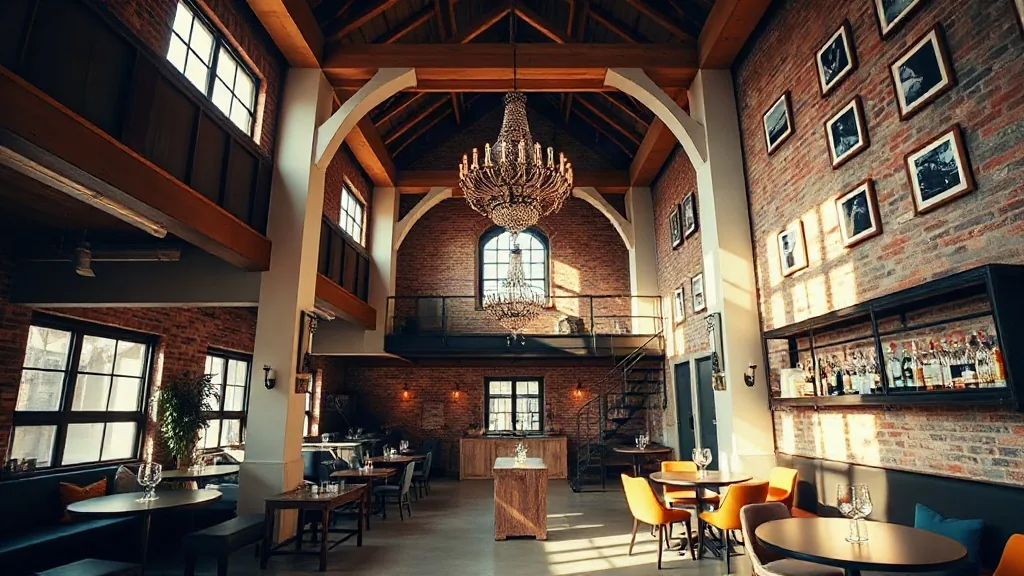
A brewery taproom is typically at street level, inside a building, with HVAC noise from the production floor providing natural ambient sound masking. The building’s walls are the sound boundary. You’re not bleeding audio into neighboring apartments.
A rooftop bar has no walls above about 42 inches (the safety railing). Sound from your DJ, your band, or even your group of 80 people having drinks travels horizontally across the rooftop at the same elevation as residential windows in adjacent buildings. Most urban rooftops operate under a 9pm or 10pm sound ordinance because of this geometry.
If your social runs 6pm-10pm with a DJ, a rooftop bar creates a countdown. The DJ stops at 9:30pm. Guests have 30 minutes of background music from a phone speaker before the venue enforces noise curfew. That’s a social that ends on a quiet, deflating note.
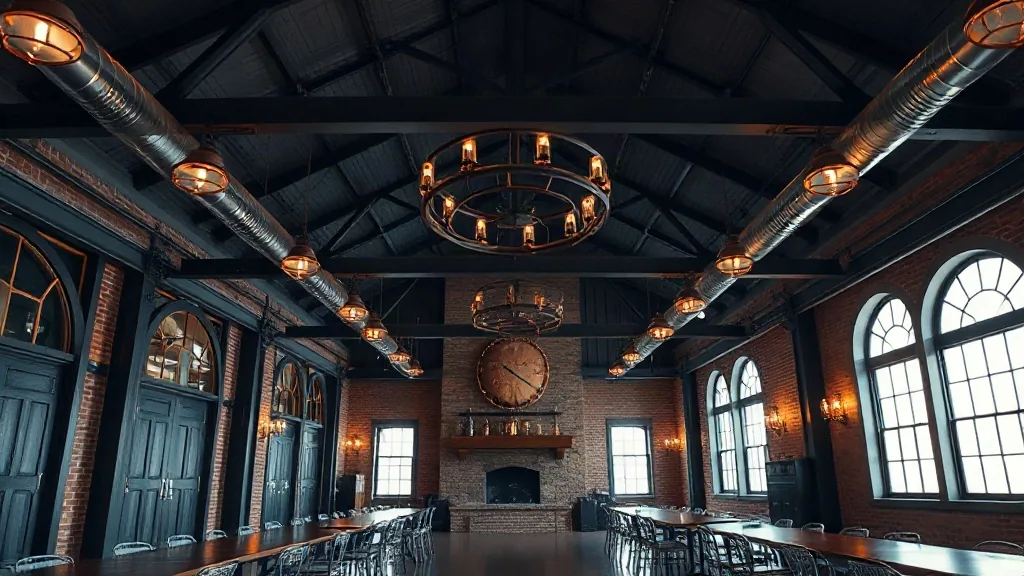
A brewery with its own event space inside the building can run music until 11pm or midnight without triggering the same ordinance. The walls contain the sound.
Capacity and Neighbor Context
Rooftop bars also share their air column with everything above them. In a dense urban market (Atlanta, Chicago, Nashville, DC), a rooftop bar at the 10th floor of a mixed-use building may have residential units on floors 11-25. Those residents did not choose to live above a corporate event. They have the city’s noise ordinance enforcement number saved.
A complaint on your event’s primary hour (8-9pm) can result in a warning, which the rooftop venue will use to shut down your DJ immediately rather than risk a citation. I’ve seen this happen at 8:45pm when the event was planned to run until 10pm.
Breweries in industrial or commercial-zoned areas often have no residential neighbors within the sound ordinance’s relevant range. The building to the north is a logistics company. Nobody is calling the noise complaint line at 10pm.
Capacity Comparison
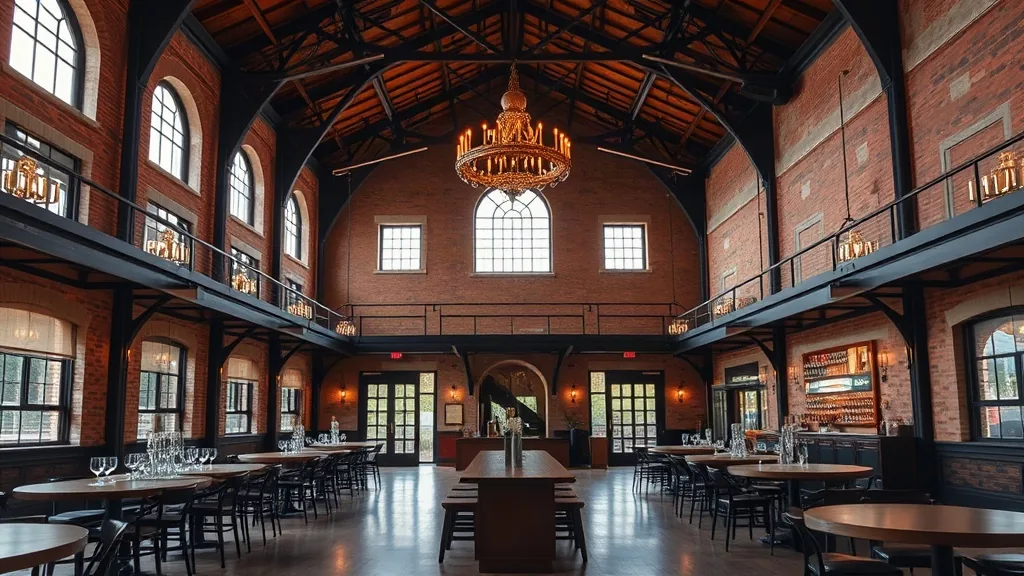
Most brewery event spaces in tier-2 US markets (Atlanta, Denver, Nashville, Charlotte) accommodate 100-250 in a taproom buyout. The event area is typically the taproom floor plus an adjacent outdoor patio or event room. Setup is flexible: cocktail tables, high-tops, some lounge seating, a bar along one wall.
Rooftop bars typically cap at 80-150 in a cocktail reception format because the rooftop footprint is bounded by the building’s floor plate and safety setbacks. At 120 guests on a 2,000-square-foot rooftop, the density becomes uncomfortable quickly.
If your social is above 150 guests, most rooftop bars are the wrong venue regardless of the other factors.
Drink Minimum and Per-Head Cost
| Line Item | Brewery Buyout (100 people) | Rooftop Bar Buyout (100 people) |
|---|---|---|
| Venue rental fee | $1,500-$3,500 | $2,000-$5,000 |
| Drink minimum (beer and cocktails) | $18-$28/head ($1,800-$2,800) | $22-$38/head ($2,200-$3,800) |
| External catering (most breweries are BYOC) | $18-$28/head ($1,800-$2,800) | $0-$15/head (rooftop often has food) |
| DJ or music (inside, no ordinance risk) | $1,200-$2,000 | $1,200-$2,000 (with curfew risk) |
| Total range | $6,300-$11,100 | $5,400-$12,800 |
The ranges overlap, but the brewery has more predictable top-end because the risk items (catering cost, sound ordinance) are known in advance. The rooftop’s top end grows if you add weather mitigation (heaters for fall events) and sound ordinance enforcement cuts your DJ set short.
The Uber-Home Math
For an event in a location walkable to transit or with good rideshare availability, the post-event transportation experience affects attendee satisfaction. Breweries tend to be in industrial or warehouse districts with adequate rideshare pickup but sometimes poor walkability. Rooftop bars tend to be in dense commercial districts with excellent rideshare access.
For a Nashville social, a rooftop bar on Lower Broadway has immediate rideshare access and is walking distance to the honky-tonks for anyone who wants to continue the evening. A brewery in the Nations neighborhood requires a rideshare to get anywhere else.
If continued evening activity after your social is part of the culture you’re supporting, the rooftop bar’s location often works better. If your event is self-contained and ends at a fixed time, location walkability is less important.
The Clear-Winner Scenario for Each
Brewery wins clearly when: your event runs past 9pm, you have a DJ or live band, your headcount is 100-200, and your attendees are tech or creative workers who find brewery atmosphere authentic rather than generic.
Rooftop bar wins clearly when: your event runs 6-9pm, no amplified music beyond background, headcount is under 100, and the view is a meaningful part of the experience (clients, executives, or a milestone celebration where photos matter).
The Catering Coordination Factor
Most brewery event spaces are bring-your-own-caterer (BYOC). The brewery handles the beer; you handle the food. For a company social that’s primarily a drinking event with light bites, BYOC works fine. You hire a food truck, a charcuterie vendor, or a catering delivery service for $18-$28 per head and the coordination is minimal.
For a company social that needs a real dinner service, BYOC creates meaningful coordination overhead. You’re managing the caterer’s access to the loading area, their setup space in the taproom (which may conflict with the bar service), and their strike window at the end of the event. I’ve had brewery socials where the catering setup blocked the taproom’s natural guest flow for the first 45 minutes while the caterer finished setting up.
Rooftop bars typically have in-house food programs, even if they’re limited menus. The food quality is usually bar-appropriate (sliders, flatbreads, crudite), not corporate-dinner appropriate, but the coordination is handled by the venue’s own staff. For a social where food is a background element, the rooftop bar’s in-house program is simpler to manage.
The Branding and Swag Opportunity
Brewery socials give you something rooftop bars rarely offer: the ability to brand the glassware. Many breweries will co-label a batch of their most popular beer with your company’s name and logo for an additional $3-$6 per glass, which becomes a take-home for attendees. For company milestones, team celebrations, or quarterly socials for a team that skews toward craft beer culture, branded pint glasses are a $300-$600 add-on that rooftop bars can’t replicate.
Browse breweries and distilleries with event spaces and rooftop venues to compare options in your city. For the seasonal pricing differences that affect rooftop venues, see shoulder-season rooftop pricing and outdoor garden vs indoor venue for a spring event.
What time does your event end and will you have amplified music? Those two questions alone determine which format is viable.