
Cancellation ladders: negotiating the sliding-scale penalty
Cancellation clauses climb by the calendar, from 25 percent nine months out to 100 percent inside 30 days. The ladder is negotiable if you know which rungs to push. Here is how I move the dates and cap the number before I sign.
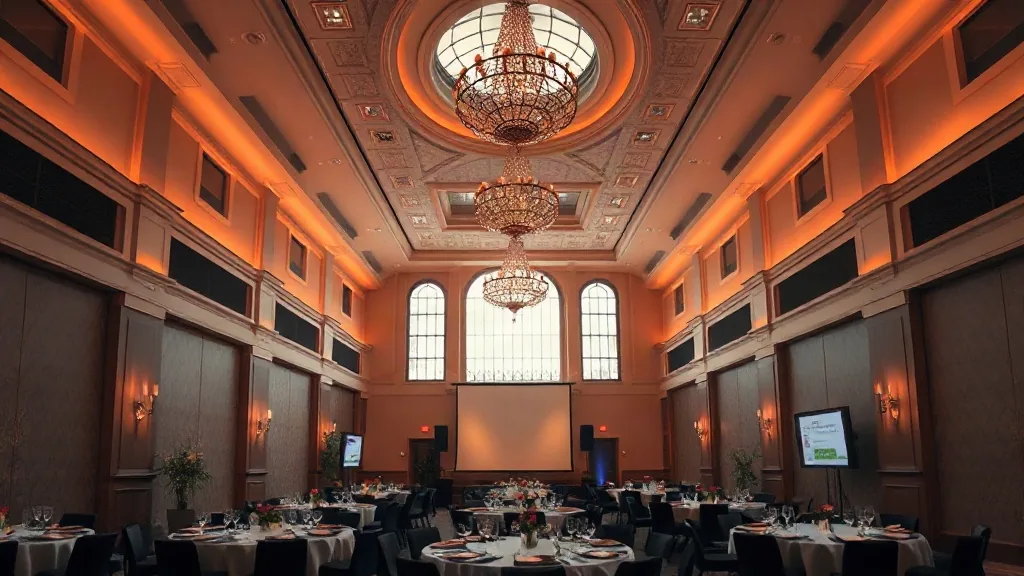
The clause that cost an association I worked with $34,000 read like boilerplate. “Cancellation within 60 days of the event date shall result in liquidated damages equal to 75 percent of the total anticipated revenue.” The board pulled the event 51 days out when a policy hearing collided with the date. Nobody had negotiated the ladder. We paid three-quarters of a contract for a room we never used.
A cancellation ladder is the schedule of penalties that rises as your event date approaches. Most planners read the top rung, see a number they hope they will never trigger, and sign. I read every rung, because the rung you land on is almost never the one you planned for.
How the ladder is built
A standard hotel or conference-center ladder ties the penalty to how far out you cancel, measured against either total contract value or anticipated F&B and room revenue. A typical structure looks like this.
More than 12 months out: 25 percent of anticipated revenue. Seven to 12 months: 50 percent. Four to six months: 75 percent. Sixty to 120 days: 85 percent. Inside 60 days: 100 percent.
Every one of those numbers is a starting position, not a law of physics. The venue wrote the first draft to protect its calendar. Your job is to rewrite it to protect your exposure, because the two are not the same interest.
Read the base number first
Before you touch the percentages, find out what they multiply. “Anticipated total revenue” is the trap. It can include F&B, room revenue, AV rental, parking, and resort fees, which balloons the base. Push to define the base as F&B and guest-room revenue only. On a $90,000 contract, moving the base from total revenue to F&B-plus-rooms can shrink an 85 percent penalty from $76,500 to something closer to $50,000, before you have argued a single date. This is the same discipline I bring to deposits, and the mechanics overlap with the deposit ladder negotiation more than most planners realize.
The four moves I make on the ladder
Move one: mitigation credit. The single most important clause, and the one most contracts omit. When you cancel, the venue often resells your space. If it does, your penalty should drop by the resold revenue. Write it in. “Liquidated damages shall be reduced by any revenue the venue realizes from rebooking the contracted space and dates.” Without this line, a hotel can collect your 85 percent and full price from the group that takes your slot. That is a double recovery, and venues will quietly keep it if you let them.
Move two: slide the dates outward. The venue wants 100 percent at 60 days. I want 100 percent at 30 days and 75 percent at 60. Association events with board-driven calendars need runway. If the venue holds firm on the percentages, trade on the dates instead, because a two-week shift in when a rung triggers is worth real money and costs the venue little on a room it can still resell.
Move three: cap the top rung. Convert the highest percentage into a dollar ceiling. “Cancellation damages shall not exceed $45,000 regardless of timing.” A cap turns an open-ended anticipated-revenue calculation into a known worst case you can take to a finance committee. Committees approve known numbers. They stall on open ones.
Move four: build a rebooking window. Negotiate the right to move the event once, within 12 months, for a reduced fee instead of a cancellation. A postponement clause at 15 to 25 percent of the penalty gives you an exit that is not a total loss. Venues prefer this too, because they keep the business.
Where cancellation meets force majeure
The ladder governs cancellations you choose. It does not govern the ones nature or a government chooses for you, and planners conflate the two constantly. A venue-flooding, a travel ban, a declared emergency, those live in the force-majeure clause, and most force-majeure language is written to protect the venue and quietly leaves you exposed. I read both clauses together every time, because a weak force-majeure section pushes an event you could not have held into the cancellation ladder, where you pay full freight. I broke down that gap in what your force-majeure clause probably misses, and I will not sign one without reading the other.
The tier matters more than the template
Cancellation norms shift by venue type, and knowing the norm tells you how hard to push.
Hotels and resorts run the steepest ladders because a canceled room block is inventory they may not resell on your dates. Expect them to defend the top rungs hardest, and expect the most give on mitigation credit, since they do resell space and know it.
Conference centers often have more flexible ladders because they carry fewer perishable room-nights. Their pressure point is F&B minimums, so watch how the cancellation base interacts with the food guarantee.
Banquet halls tend to use flat deposits and shorter ladders, sometimes just a forfeited deposit inside 90 days. Simpler, but read whether the deposit is the ceiling or the floor of your exposure. If the norms across tiers are new to you, the deposit and cancellation norms by venue tier lays out what standard looks like before you decide what to fight for.
Liquidated damages, not a penalty
One more piece of language decides whether the whole clause holds up. The section should call the payment liquidated damages, a pre-agreed estimate of the venue’s actual loss, not a penalty. Courts treat the two differently, and a clause framed as a punishment rather than a reasonable loss estimate is harder to enforce. That is not a reason to sign a bad number and gamble on a court fight later. It is a reason to make sure the figure is tied to the venue’s real lost revenue, which is exactly the argument that supports the mitigation-credit line. If the venue resells the space, its actual loss shrank, and a damages figure that ignores the resale is no longer a fair estimate of anything. I raise this framing in the negotiation because it puts the venue on the defensive about whether its own number is reasonable.
The worksheet I fill in before signing
For every rung, I write the trigger date on my calendar and the dollar figure next to it. Nine months out equals this date equals this number. Then I mark the two dates my event is most likely to move, board-meeting conflicts, budget-approval gates, and I check which rung those dates land on. If my likely-cancellation date sits one week inside a jump from 75 to 100 percent, I negotiate that date first, because that is where my real risk lives.
The venue’s first draft assumes you will land on the rung you least expect to reach. Reprice the rung you are actually likely to hit, cap the top, and add the mitigation line. Do those three and a cancellation stops being a catastrophe and becomes a budgeted contingency.
Tell me your event date, your drop-dead decision date, and your total contract value, and I will show you which rung is your real exposure and which one to negotiate first.


