
Weather-risk cities and the indoor backup you should pre-book
Some cities carry a weather risk in specific months that no outdoor plan survives on its own. Here is which markets and windows to watch, and the indoor backup you should hold before you confirm the outdoor space.
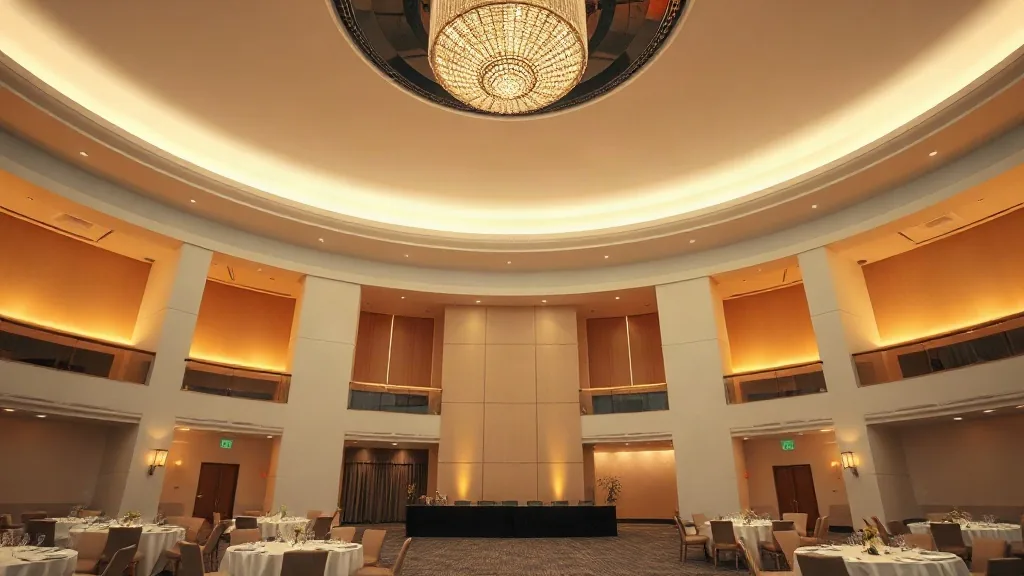
A policy convening I ran in Houston lost its rooftop reception to a June downpour that dropped two inches in 40 minutes. We had no indoor hold. The venue’s only interior room was booked by another party, and 120 association members ended up crowded under a lobby overhang with wine and no seating. The event survived on goodwill. The lesson did not leave me: in a weather-risk city, the indoor backup is not a contingency you add if it rains, it is a room you pre-book before you confirm the outdoor space.
Every city has weather. A few cities have a weather risk in specific months so reliable that betting against it is negligence. If you are planning an outdoor or weather-exposed event in one of those markets during its risk window, the backup room is part of the booking, not an afterthought.
The cities and windows that demand it
The Southeast and Gulf, June through October. Afternoon thunderstorms in Houston, Tampa, Orlando, New Orleans, and Miami are close to a daily event in summer, and hurricane season overlays a larger disruption risk on top. This is the highest-conviction weather risk in the country, and hurricane season event planning for the Southeast covers the bigger disruptions beyond the daily storm.
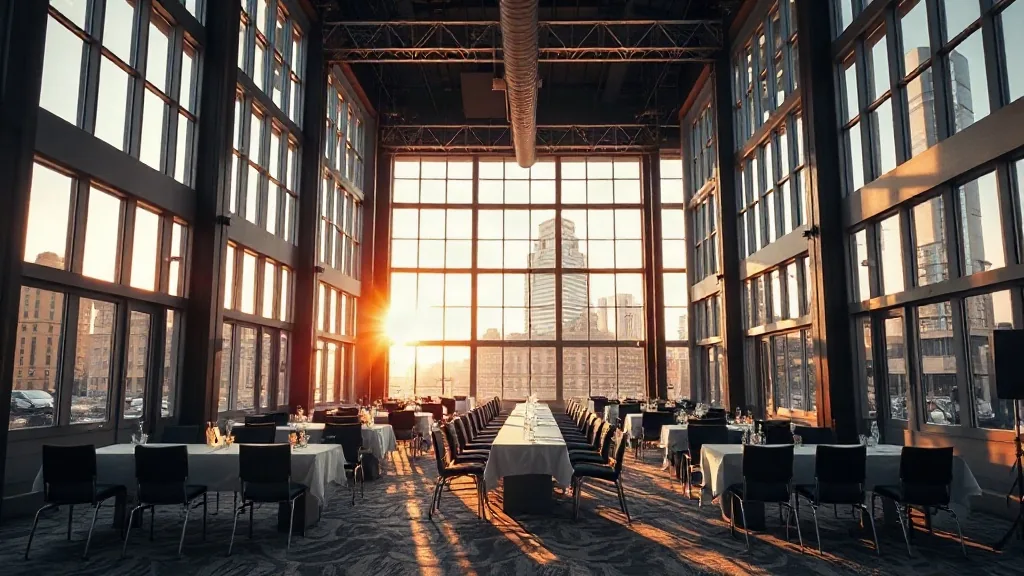
Florida specifically, most of the year. The afternoon storm is so routine that my Florida colleagues run two backups as standard practice, which is the whole argument in why outdoor events in Florida need two backup plans. One backup is optimism in Florida. Two is planning.
The Upper Midwest and Northeast, November through March. The risk here is the opposite, snow and ice that strand attendees and cancel flights, and any outdoor or transfer-dependent plan is exposed.
Everywhere, the shoulder-season surprise. March and April are the deceptive ones, warm enough to tempt an outdoor plan and volatile enough to punish it, and the March event-planning weather-risk map shows which markets swing hardest in that window. A 70-degree forecast three weeks out means nothing in March.
Pre-book the backup, do not just plan for it
The distinction that matters is holding versus hoping. A weather plan that says “we will move indoors if it rains” with no reserved indoor space is not a plan, it is a wish, because on the day it rains that indoor room is booked by someone who did reserve it. My Houston reception failed on exactly this point.
Pre-booking means the indoor or covered space is contractually held for your date, on the same site or minutes away, sized for your full headcount. You pay a hold cost, a deposit or a reduced rate, and you release it if the weather holds. That release fee is the premium you pay for certainty, and it is a fraction of what you lose when 120 people have nowhere dry to stand.
What the backup has to satisfy
Same headcount. A backup that fits 80 of your 150 is not a backup. Confirm the indoor room holds the full count in the setup you need, because a reception that flexes to a seated dinner needs the square footage for rounds, not just standing room.
Same date, held in writing. A verbal “we will find you something” is worthless on a stormy afternoon. The hold goes in the contract with the outdoor booking, as a linked pair.
Fast conversion. The backup only works if you can trigger it in time. This is why the weather-decision deadline matters, a named call time 24 to 48 hours out based on a specific forecast source, so your caterer and AV crew know which room they are setting before they load in. Deciding at 2pm for a 6pm reception means you are setting two rooms or neither.
Real proximity. On-site is ideal, a garden with an attached ballroom, a rooftop with an indoor bar one floor down. If the backup is offsite, it has to be close enough to move a reception’s worth of people and gear in under an hour, which in practice means the same block.
The venue types that solve it cleanly
The easiest weather-risk booking is the venue that has both spaces under one roof. An event venue with a garden or terrace and a finished indoor hall gives you the outdoor experience and the indoor insurance in one contract, and the conversion is a walk across the building rather than a logistics operation. A conference center with an outdoor courtyard and interior function rooms works the same way, and these are my default recommendation for any weather-risk market, because the backup is already yours.

The higher-risk booking is the standalone outdoor and garden venue with no covered structure. These photograph beautifully and cost less, and in a weather-risk city during its risk window they are a bet I do not make without a separately contracted indoor hold nearby. If the venue cannot offer a covered plan B and there is nothing bookable within a few minutes, I move the event indoors from the start or change venues, because the math does not work.
Tell attendees the backup exists
One detail that costs nothing and saves the day: publish the backup plan to attendees in advance. When my Houston reception got rained out, part of the mess was that 120 people had no idea where to go, so they defaulted to the nearest overhang and clustered there. Now I put a line in the pre-event communication and on the signage: if weather moves us indoors, the reception will be in this named room, and staff will direct you. Attendees who know the plan move calmly to the right place in two minutes. Attendees left guessing create the scrum I lived through. It also sets expectations, so nobody arrives expecting a rooftop and feels cheated by a ballroom, because they were told the ballroom was the rain plan all along. The best backup is one your guests already know how to find.
The cost of the hold versus the cost of the miss
Run the comparison. A 150-person outdoor reception at $160 per head is a $24,000 event. Pre-booking an indoor backup at a $2,500 hold fee, refundable-to-deposit if released, caps your weather downside at that $2,500 plus whatever you already committed to the outdoor space. Skipping the hold saves the $2,500 and exposes the full $24,000 plus the reputational cost of 120 people under an overhang. You are buying certainty for roughly ten percent of the event value in the highest-risk markets, and it is the cheapest insurance on the whole budget.
In a low-risk city or a low-risk month, one flexible plan is enough. In a weather-risk city during its window, the indoor backup is a line on the booking, held in writing, sized for everyone, with a named decision hour. Build it in before you sign the outdoor space, not after the forecast turns.
Tell me your city, your month, and your headcount, and I will tell you whether your window carries a real weather risk and what the pre-booked backup should cost you to hold.


