
Choosing a venue by transit access, not just the room
The prettiest room in the wrong location costs you late arrivals, a fat transport bill, and a carbon number you cannot defend. Here is how I score a venue on transit access before I fall for the ballroom.
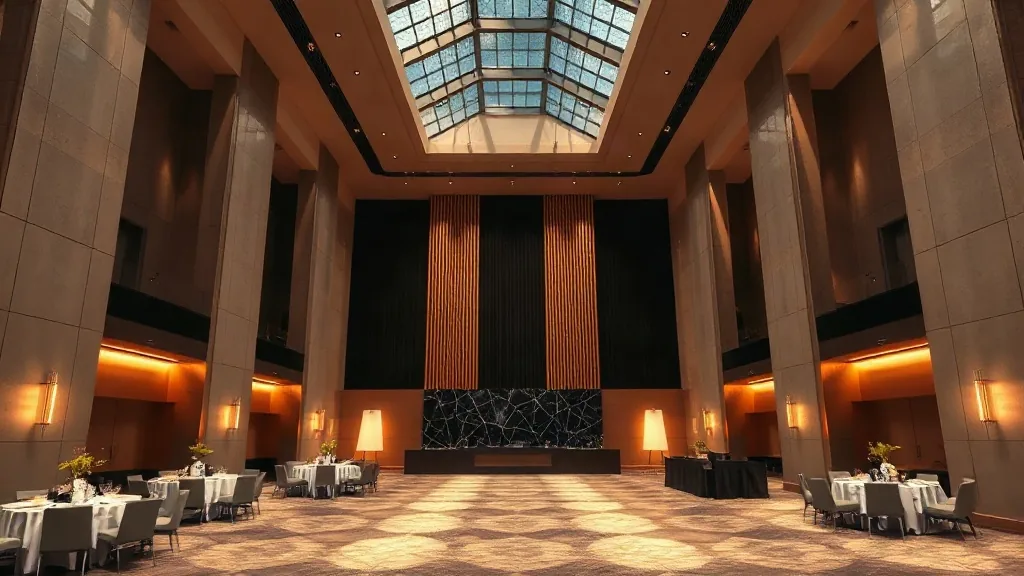
I once talked a client out of a stunning waterfront venue because it sat 40 minutes from the airport with no rail and one two-lane access road. The room was the best on the shortlist. It would also have added roughly $9,000 in shuttle costs, guaranteed a wave of late arrivals every morning, and put 250 people on a road that backs up at rush hour. We booked the plainer venue eight minutes from a transit line instead. Nobody remembered the room. Everybody got there on time. That trade, room quality for transit access, is one I make on purpose now.
I come from the AV and logistics side, so I think about how people and gear physically get to a room before I think about how the room looks. Here is how I score transit access.
Why the room is the wrong first question
A beautiful room is easy to fall for on a site visit, because that is what the site visit is designed to sell. But the room does not determine whether your event runs well. Access does. If a third of your attendees are late every morning because the venue is hard to reach, the agenda slips, the AV cues miss, and the room being gorgeous does not fix any of it. Access failures are invisible on the site visit and unavoidable at the event.
So I score access first and use it to filter the shortlist before I let the ballrooms compete. A great room at a bad-access location does not make my list at all.
The five things I check
Distance and reliability to the primary airport. Not just miles, but the reliability of the route. A venue 25 minutes out on a highway that jams at 8am is worse than one 35 minutes out on a route that flows. I check the drive at the actual arrival hour, not at midnight when the map app says 18 minutes.
Rail or transit within walking distance. A venue near a rail line or subway stop gives attendees a way in that does not depend on shuttles or traffic. For events in transit-rich metros, proximity to a station is the single highest-value access feature, because it decouples arrival from road congestion entirely.
Walkability to hotels. If attendees are staying nearby, can they walk to the venue safely, or does every morning require a shuttle. A venue within a five to ten minute walk of the room block eliminates the morning transport problem, which is the one that wrecks agendas. Walkable beats shuttled every time.
Parking capacity and cost for drive-in crowds. For regional events where people drive, parking is the access question. How many spaces, at what cost, and does the venue control them or are you sending 200 cars to hunt for street parking. Negotiating this well saves real money, which I get into in how to negotiate parking for a large event.
Loading access for gear. My professional obsession. Where does the truck dock, how far is the dock from the room, and is there an elevator or a flight of stairs between them. Bad load-in does not affect attendees directly, but it inflates my labor and setup costs and it is invisible until the trucks arrive.
Transit access is a budget line, not a nicety
Here is the part that gets a CFO’s attention. Poor transit access is expensive. That waterfront venue would have cost $9,000 in shuttles because there was no other way to move 250 people from the airport and hotels. A transit-accessible venue moves that cost toward zero, because attendees get themselves there. The transport math scales hard with group size and distance, which I laid out in transportation cost by group size and distance, and access is the variable that controls it.
Access also drives your carbon number, because attendee travel is the dominant line in an event footprint. A venue people can reach by rail or on foot cuts emissions the same way it cuts the shuttle bill. Same lever, two wins.
Do the access site visit, not just the room site visit
When I visit a venue, I do the trip the way an attendee will. I arrive from the airport at the hour they will arrive. I walk from the nearest transit stop to the door and time it. I find the hotel and walk that route. I ask the venue where the loading dock is and walk from it to the room. The prettiest ballroom in the building tells me nothing about any of this, and the sales manager will never volunteer that the transit stop is a 15-minute walk through a parking structure.
Weather matters in this too. A venue that is a pleasant eight-minute walk in May can be a miserable one in a January wind or an August afternoon, and attendees will cab it instead, blowing up the transport line you thought you had solved. The microclimate around a venue is real, and I mapped how much it varies in microclimate map of NYC rooftop venues.
Where access is easiest to get right
Downtown convention centers and conference centers tend to sit on transit and near hotel clusters, which is most of why they command their rates. You pay for the access, and for a large event it is worth it. For smaller offsites, coworking spaces with event capacity are frequently placed near transit in business districts, giving you the access of a downtown venue at a fraction of the footprint and cost. The destination venues, the resorts and waterfront halls, are where access goes to die, so make them earn it against the transport bill.
Build the access score into your shortlist sheet
I keep a simple scoring column on my venue shortlist, and access gets five sub-scores before the room gets any. Airport reliability at arrival hour, transit-stop distance, hotel walk time, parking capacity and cost, and dock-to-room load path. Each gets a one-to-five, and a venue that scores below a three on airport reliability or hotel walkability does not advance, no matter how good the ballroom photos are. This is not bureaucracy, it is a filter that saves me from falling for the waterfront trap twice. The discipline matters because the room is the seductive part and access is the boring part, and the boring part is what determines whether 250 people are in their seats at 9am. When I skip the scoring and let a gorgeous room jump the queue, I regret it at load-in, when the dock turns out to be a freight elevator two floors below the room and my four-hour setup becomes six.
Score access before you tour the ballroom
Build your shortlist on access first: airport reliability, transit proximity, hotel walkability, parking, and load-in. Let only the venues that pass compete on the room. A gorgeous room you cannot reach on time is not an asset, it is a $9,000 shuttle contract with a nice photo.
Where are your attendees coming from, and are they flying or driving? Tell me that and I can tell you which access features matter most for your group and which venues to cut before the site visit.


