
Coat check and bag storage math for a winter evening event
Three hundred guests in December arrive within a 20-minute window, each holding a coat, and a two-person coat check turns your entrance into a 15-minute line. Here is the throughput math, the rack count, and the staffing that keeps the door moving.
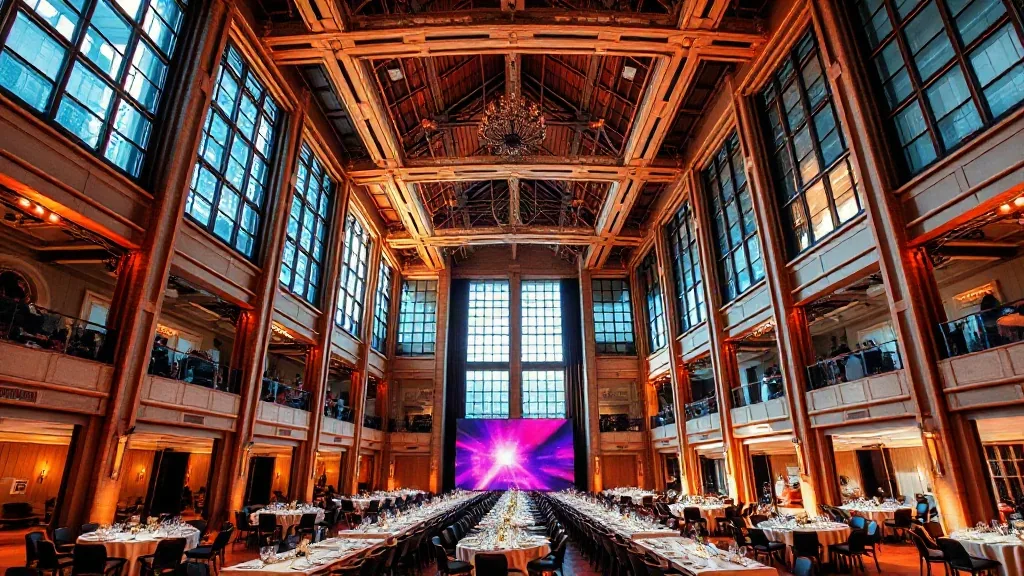
At a December client dinner two winters ago, 280 guests hit the door between 6:40 and 7:05pm, and the venue had staffed coat check with two people and one rack. The line ran out the door into 28-degree cold, and the CEO’s first impression of their own party was 40 furious people standing in the wind. Coat check looks like a rounding error on the budget. In winter, it’s the first thing every guest touches, and the math is unforgiving if you skip it.
I plan events through the logistics, and the entrance in winter is a throughput problem with real numbers behind it. Let me lay out the math, because “we’ll have a coat check” is not a plan. A coat check is a rate, a rack count, and a staffing level, and all three have to match your arrival curve.
Arrivals bunch, and that is the whole problem
The mistake is planning for the average and getting killed by the peak. Three hundred guests over a two-hour reception averages 2.5 arrivals a minute, which sounds trivial. But an evening event doesn’t arrive evenly. For a 7pm seated dinner, 60 to 70 percent of guests show up in the 20 minutes before the seating call, which is 12 to 15 arrivals a minute at the peak, every one of them holding a coat and maybe a bag.
That peak is the number you staff for, not the average. A coat check attendant can take a coat, hang it, tag it, and hand back a claim ticket in roughly 20 to 30 seconds when it’s smooth. So one attendant clears two to three guests a minute. To handle 12 arrivals a minute at the peak without a line, you need four to five attendants working in parallel, plus enough drop-off frontage that four guests can hand off at once. Two people and one narrow counter cannot move that crowd, and the line forms in the cold.
Rack and hanger math
Coats need somewhere to go, and racks have a real capacity. A standard rolling garment rack holds about 50 to 60 winter coats comfortably, less if they’re bulky wool and down. So 300 coats need five to six racks, and you need floor space to put them where the attendants can reach them fast without digging. A jammed rack where the attendant hunts for a coat at pickup is what turns the end-of-night departure into a second, worse line.
Hangers and numbered tags are the other half. You need a numbered hanger and a matching claim ticket for every coat, which means 300-plus of each, staged before doors. Some venues run a bulk system where coats go in numbered sections rather than individual hangers, which is faster at drop-off but riskier at pickup. For a corporate crowd checking expensive coats, I prefer individual numbered tags. The claim ticket is a small thing that prevents the “that’s my coat, no it’s mine” problem at 10pm.
Bags matter too, especially at events where guests come straight from the office or the airport with a laptop bag or a roller. Those don’t hang. They need a separate shelved or floor area with its own numbered tags, and they take more space per item than coats. If your event draws a fly-in crowd, ask the venue specifically about bag storage, because a coat rack is not a bag solution.
Placement keeps the two lines from colliding
Coat check and registration are both at the entrance, and if you stack them in the same choke point you get two lines feeding into each other. The fix is flow. Guests should hit coat check first or registration first in a clear sequence, with enough room between them that neither line backs into the door. My notes on registration desk placement that prevents the entrance jam apply directly here, and the same logic in how to set up a registration table that works covers keeping the frontage wide enough.
A historic mansion or an older event venue is where this gets tight, because these buildings often have a small entry foyer that was never meant for 300 people arriving at once. A gorgeous mansion with a narrow front hall can only physically fit one coat-check position, which caps your throughput no matter how many attendants you hire. On the site visit, I stand in the entry and picture 15 people a minute coming through it, and if the space can’t hold two parallel drop-off points, I know the entrance will jam and I plan a staggered arrival or a tent vestibule.
Where to put the coat check budget
Coat check attendants run $25 to $40 an hour per person in most markets, and for a four-hour evening event with five attendants you’re looking at $500 to $800 all in. That’s the whole cost of preventing the line that greets your CEO’s guests with a wait in the cold. When a client asks whether they can save it with two attendants, I ask what a furious first impression is worth to a client dinner, and the line usually stays funded.
Staffing has to cover both ends of the night, and departure is the part people forget. Everyone leaves within the same 15 minutes after the closing remarks, so the pickup rush is as sharp as the arrival rush, sometimes sharper. If you staffed for drop-off and sent half the attendants home before the end, the departure line is your last impression, and it’s a bad one. Keep the full team through the exit wave.
The winter-specific extras
Winter adds a few items a summer event skips. Umbrellas on a wet night need a stand or a bin, or they drip across your floor and become a slip hazard. Salt and snow tracked in at the door needs mats and someone watching the entry floor. And a genuinely cold night means guests linger at coat check on the way out to bundle up, which slows the pickup line further. I add a little frontage at pickup for exactly that.
December events also compete for the same rental racks and the same staff, because everyone’s holiday party lands in the same three weeks. Book the coat-check gear and the labor early, alongside the venue, which is the same crunch my December holiday party booking calendar walks through. A banquet hall that hosts back-to-back December parties may have house coat-check capacity, so ask what’s included before you rent your own.
Tell me your headcount, your arrival window, and whether guests are coming from the office with bags. Send me the entrance dimensions from the floor plan and I’ll tell you how many attendants, how many racks, and how much frontage you need so nobody waits in the cold.


