Coat check, bag drop and the rain contingency at an urban venue
A venue's rain plan determines event success when coat check lines overwhelm the lobby.
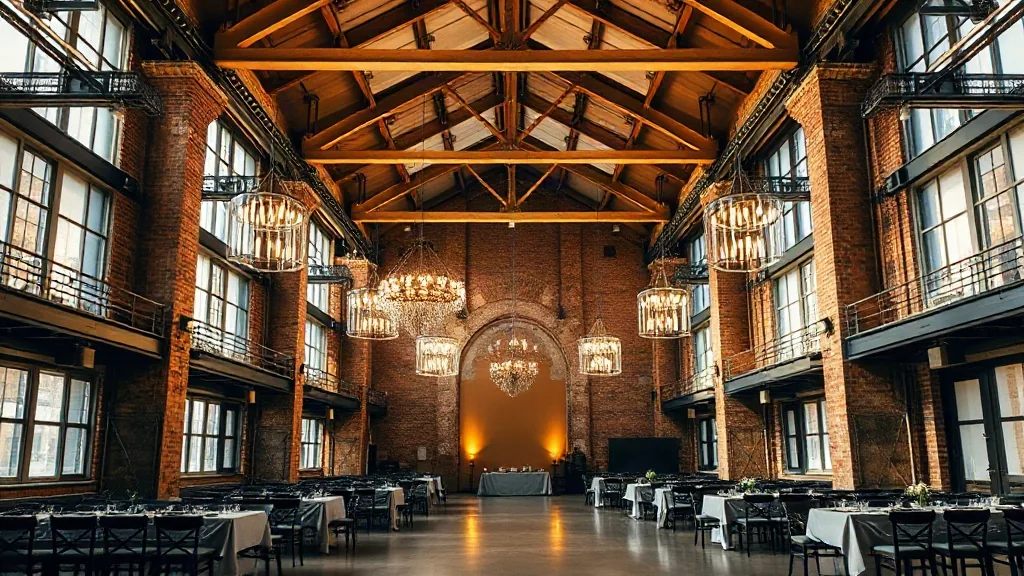
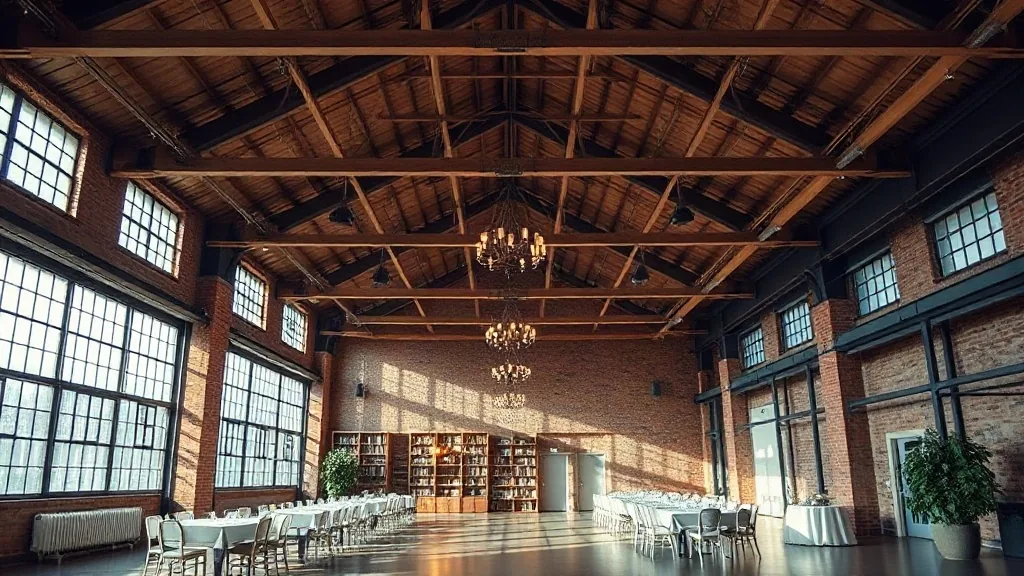
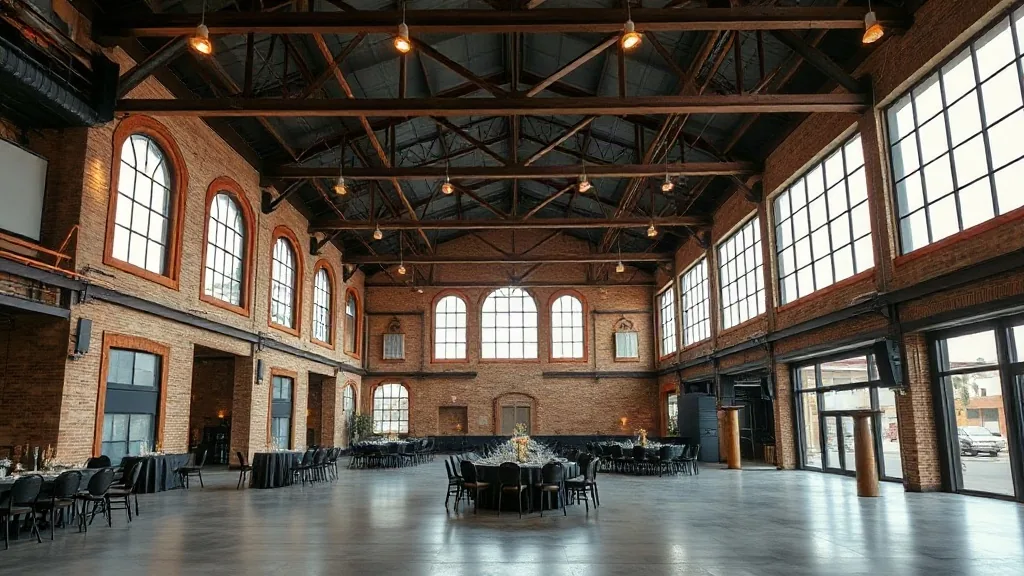
The coat check line snaked past the bar and out the door at $14,000 a night, and you could not hear the keynote over the zipper traffic. That was the March afternoon I learned, standing in the wet lobby of a converted warehouse near N Street NW, that a weather plan is not a footnote to a venue tour. It is the event. My policy association client had paid for a room with 22-foot ceilings and floor-to-ceiling glass, and the glass does not care about your agenda. Your guests care, especially when their rain-soaked trench coat is dripping onto their networking heels.
The January Addendum That Predicts the April Problem
You cannot solve an April rainstorm with a March phone call, so I write the contingency into the contract back when I am signing in January. The clause I push for covers three things: a guaranteed dry holding area for coats, a staffed bag drop with a numbered ticket system, and the venue’s obligation to provide mats for the entryway and lobby. I have had venues agree to all three in writing, and I have had venues tell me the coat check is “first come, first served,” which is planner-speak for a disaster at 5:45 PM when four hundred people arrive at once.
The cost question is where I see planners freeze. A basic coat check with two attendants runs $350 to $600 for a four-hour event, and that is before tips or the velvet rope stanchions. Add a true bag drop with a wristband system and a dedicated staffer watching the rack, and you are looking at $800 to $1,200 depending on the city. Your alternative is a pile of damp Patagonias on a banquet chair, and I have watched a $90,000 fundraiser lose its momentum because nobody could find their umbrella.
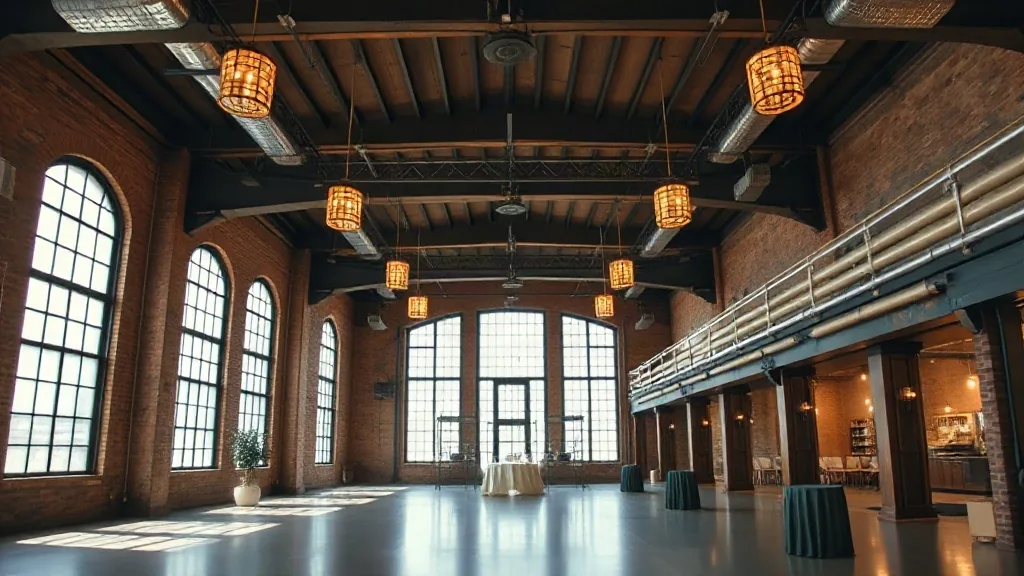
Here is the operational angle my clients appreciate: the coat check is a queuing problem, not a storage problem. You need enough linear feet of rack to hold one garment per guest plus a twenty percent buffer for the people who bring a gym bag and a briefcase. I measure the rack space at the walkthrough, same as I count the chairs. A room that seats 350 in the round often has rack space for 180 coats, and that mismatch is exactly why I now look for overflow space in a nearby breakout room or a hallway alcove. In lofts and industrial venues, that alcove is often a former freight elevator landing, which works perfectly.
The rain equation changes everything. My local meteorological trigger is a seventy percent chance of precipitation after 3 PM, because that is when the policy crowd starts filtering in from Capitol Hill and the agencies. On those days, I add a second attendant and I print a few dozen extra claim tickets, because people lose the paper ones. A lost ticket used to mean a forty minute search for a black umbrella. Now the venue and I agree on a two-part system: ticket number plus a photo of the guest holding the tag, stored on the planner’s phone, so the handoff takes ninety seconds.
How a Bag Drop Trains Your Guests to Focus
My rule of thumb is $4 per bag for a basic drop off at a counter, staffed by the venue’s team or a temp agency I bring in. The cost does not reflect the labor. It reflects the liability. I have a client whose association brings prototype medical equipment to showcase meetings, and their lawyers insist every case gets a numbered claim stub, a sign-out sheet with a signature, and a strict no one but the registrant policy. That level of control costs $7 to $10 per bag, and it is the only way their compliance team approves the venue at all.
What surprises first time planners is the psychology. A checked bag changes how a guest walks a room. People with free hands hold a drink, shake a hand, pick up a one pager. People wrestling a tote bag stand near the walls and stare at their phone. I have watched this dynamic at a half day workshop in a coworking space, where the buyout rate was $5,500 and the bag drop ran like a Swiss train, and attendance at the afternoon breakouts was visibly higher because nobody was guarding a messenger bag under their chair. That half-day format is exactly the sweet spot I have written about before in the context of coworking buyouts.
There is a limit to my enthusiasm. A bag drop is not a cloakroom for irreplaceable items, and my registration confirmations say, in plain language, that passports, medication, and laptops over fifteen inches should stay with the guest. I tell my clients this too, because a claim stub does not replace a good insurance rider. The venue’s liability is usually capped at a modest per item amount, and I have watched a planner learn that lesson the hard way after a $2,800 camera went missing. The venue replaced it with a shrug and a form letter. The planner replaced it out of her own pocket, because the contract capped the venue’s exposure.
Rain Is a Room Design Force, Not a Weather Report
For the interiors, I borrow from the best runroom I ever saw, a loft space in a converted factory where the planner laid out a double layer of absorbent matting from the entrance to the registration desk. The cost was $220 for the mats, and it protected a $30,000 wood floor that the venue’s contract held me liable for. That matting is now in my standard kit for any venue with historic flooring or polished concrete. I budget $100 to $400 depending on the square footage of the path from door to registration. A similar setup in a loft in Macon, Georgia saved a client’s deposit last spring.
I will also confess to the limitation of my own system, which is over planning the entrance and under planning the exit. A two hour afternoon session rarely features a dramatic exit rush. A four hour evening reception with a bar tab does, and that is when a single coat check attendant is overwhelmed by two hundred people all requesting their outerwear in a seventeen minute window. I schedule the exit strategy, which is extra staff from 8:45 to 9:30 PM, at a cost of $150 to $250, and it has paid for itself in guest goodwill every single time.
Make the Venue Prove It Has Water Under Control
I once toured a rooftop venue in DC with a gorgeous view of the monuments, and the rooftop access was a steel staircase with open grating. The venue manager admitted the stairwell turned into a waterfall during a hard rain, and there was no covered alternative. We booked the indoor lounge instead, at $40,000 versus the $38,000 rooftop, and the client never knew we pivoted for drainage reasons. That information came from a question she would not have thought to ask, so I have made it my job to ask. The same logic applies when I scout lofts and industrial spaces in New Jersey, where old loading docks often have drainage quirks.
Your ADA compliance is part of this conversation too. A wet floor is a slip hazard for everyone, but a wet ramp or a flooded curb cut is a crisis for a guest using a wheelchair or a walker. I check the accessible route, from the street to the check in desk, and I confirm the mats are flush, not raised, because a one inch mat lip is a tripping hazard that my legal team has flagged before. The venue has a duty here, but my contract makes the plan a shared one, and I have a nice summary of that dynamic in a prior post about ADA compliance being the venue’s job.
The bottom line is this: I budget 3 to 5 percent of my total event spend on the arrival and departure experience, coat check, bags, mats, and the staffing to run them. For a $60,000 policy forum, that is $1,800 to $3,000, and it buys the single most important thing in my line of work, which is a room full of people who are dry, comfortable, and actually listening to each other.
What is your headcount for the event you are planning, and is there a chance of rain on your date? Send me those details and I will tell you exactly where to put the rack.