Crypto and fintech events after the sponsorship money cooled
Crypto and fintech event budgets plunge from $400K to $115K as sponsors disappear.

The last fintech conference I worked in Washington DC, back in late 2022, had a sponsorship deck that totaled just over $400,000. The same client’s event this past spring pulled in roughly $115,000. That is the whole story of this market in one set of numbers.
When the crypto crash hit and the venture capital taps went dry, the first thing that vanished was the afterparty budget. Planners who built events on a foundation of eight-figure treasury war chests are now asked to deliver the same perception of success with vendor budgets slashed to a third of what they were. What follows is a working guide to booking and producing crypto and fintech events in this leaner era.
The budget pie is smaller, and the slices moved
What died was the line item for spectacle. In 2021, a crypto firm in Miami would spend $85,000 on a single activation, a hired DJ, and a branded Ferris wheel that nobody rode. What survived is the line item for what the compliance officer calls “substantive programming.”
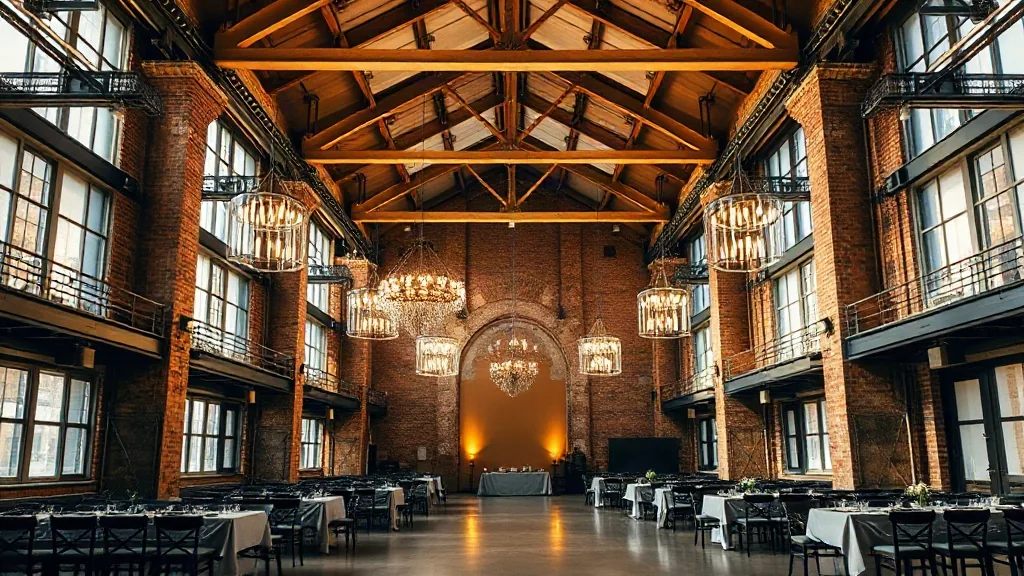
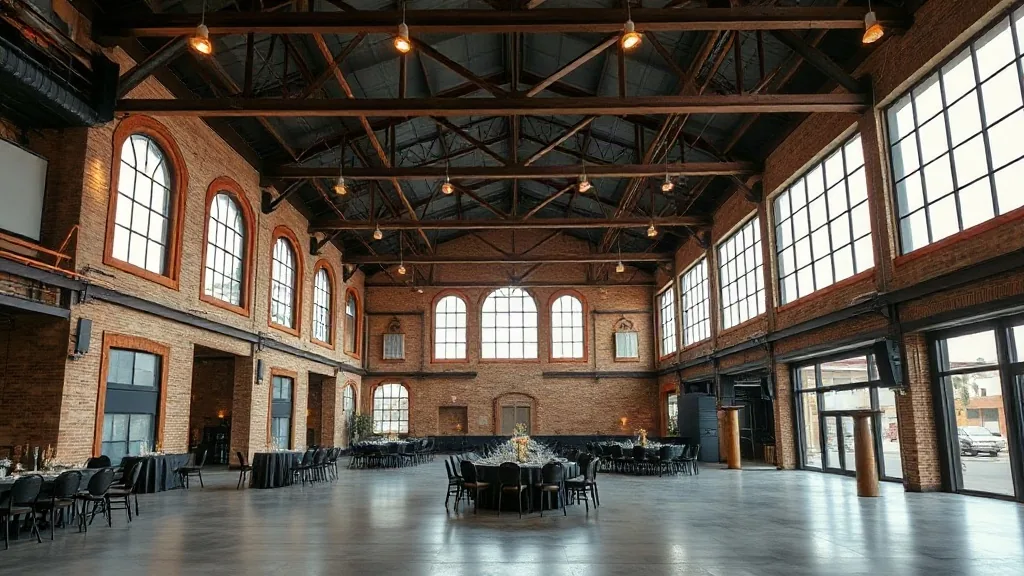
I now book two distinct types of rooms. The first is the industrial loft conversion with exposed brick and a raw concrete floor, which still photographs beautifully for social media but rents at a fraction of a ballroom cost. My clients who still want the aesthetic often land in spaces like the ones we use for lofts and industrial venues around the region. The second is the institutional setting, the law school auditorium or the federal reserve branch, which signals sobriety.
You take the money once earmarked for a pyrotechnics display and move it into simultaneous interpretation equipment, transcription services, and better audio. While sponsorship revenue dropped over 70 percent for many of my fintech clients between 2021 and 2024, attendee expectations for recording quality went up. I tell clients to spend at least $30 per attendee on technical production alone.
The remaining sponsors usually fall into one of two camps you need to accommodate: the legacy banks trying to look innovative and the compliance software vendors who are actually profitable. The banks want visibility, the software vendors want qualified leads. I have started building programming tracks that put the banks on a panel and the vendors in the demo area.
How the venue contract changed once bankruptcy risk arrived
Remember that $400,000 sponsorship client from 2022? They are still in business, but three of my other crypto clients from that same season are not. That reality changed what I demand in every letter of agreement.
I now include three non-negotiable clauses in every venue contract for this sector. The first is a staggered payment schedule that ends no later than 15 days before the event date. The second is a force majeure clause that specifically names “sponsor withdrawal” as a triggering event. The third is a key-person clause that ties the contract to the actual CEO appearing on the marquee materials.
You should ask for these clauses in writing before you start the room tour. When I explain that my client cannot pay the full deposit until a licensing decision drops from the relevant authority, the conversation changes tone completely. I have had two venues this year alone accept a key-person clause in exchange for a non-refundable deposit of about 12 percent of the total estimated spend.
Contract duration has also shortened. I now book on an eight to ten week cycle for fintech, and even shorter for pure crypto. You can book great non-prime dates in places like Fort Worth, Texas at rates that my 2021 counterpart would not have believed.
The tradeoff for these favorable terms is that you have to sacrifice the cancellation cushion. I now insist that my client’s finance lead sits in on the final venue walkthrough, because finance people understand the attrition math far better than the marketing staff. There are alternatives in smaller markets too, like Danville, Kentucky if your attendees will drive 30 minutes from the airport.
Compliance panels need a different physical room
The safest budget line in fintech right now is regulatory content. When markets fall, lawyers get hired. The firms that sponsor these events want the general counsel and the deputy chief compliance officer in the room.
The worst failure I saw recently was a venue that put a panel on SEC rulemaking on a stage that faced a reception area, where the acoustics let every cocktail clink bleed into the recording. The panel was excellent, but nobody in the back row could hear the first ten minutes because the HVAC kicked in at exactly the wrong moment.
For compliance content you need a room that is sealed, both acoustically and from a sightline perspective. Many clients assume that a settlement conference center room is out of budget, but the rates for a mid-size breakout are often a third of what the main stage costs.
These are people who read footnotes for a living. They notice that the power outlets are 10 feet away from the chair. They notice the lag on the Q&A mic. And they notice if the venue lacks a separate quiet room for phone calls, because a securities lawyer cannot take a client call in a hall with 300 people listening.
The current sponsors read everything. I have walked a compliance executive through my accessibility walkthrough pre-contract for a cryptocurrency event, and it was that conversation, not the tech demo, that convinced him to sign.
One regulatory note that sits at the edge of my work: pharma has its own disclosure rules around meal value, and several fintech clients now borrow those internal standards even though they are not legally bound by the same statute. The numbers I see through client instruction are usually a dinner cap between $75 and $125 a head.
The speaker fee market dropped, so raise the bar for content
In 2021, a mid-tier crypto exchange paid a celebrity financial influencer $150,000 for a 20 minute fireside chat. That same influencer now asks for $15,000 and carries more credibility in the room, oddly enough. The people who speak for the industry now are general counsels, former regulators, and the rare economist who actually understands what a distributed ledger does. I book those people at $2,500 to $7,500 a head.
Build your agenda under the assumption that the attendee you want is there to take notes, not to network. I schedule the substantive panels in the morning and early afternoon, and I push the networking time to the later slot, which is the reverse of most industry conferences. I order the full dessert and coffee reception strategy because it holds the audience in the room long enough for them to actually converse about what they heard.
The middle of September is a dead zone for parent attendees, which you can navigate by reading our back to school calendar conflict notes. October is better for DC policy events because the congressional calendar is a churn, but an October date in DC requires you to book venue space at least five months out.
The union load-in question matters more in this market than it did when budgets were fat. Now, a venue like our Evanston, Illinois option with a restrictive labor environment can eat an extra $4,000 in a single evening of setup if you schedule the load-in across a shift boundary. Read the union labor cities guide before you sign. I factor a 15 percent labor surcharge into any quote from a city where the stagehands are strong.
The leaner market rewards measured work. That includes an honest look at your safety protocols, which are cheaper than the insurance premium implications of ignoring them, though the New Orleans museum scene does offer a strange backdrop.
What is your headcount for the quarter, and what date range are you holding?