
Corkage, cake-cutting, and the fees hiding in your F&B contract
Corkage, cake-cutting, plating, and chef-attendant fees can add thousands to a banquet bill that looked finished. Here is every hidden per-item charge I hunt for before signing, and what each one should actually cost.
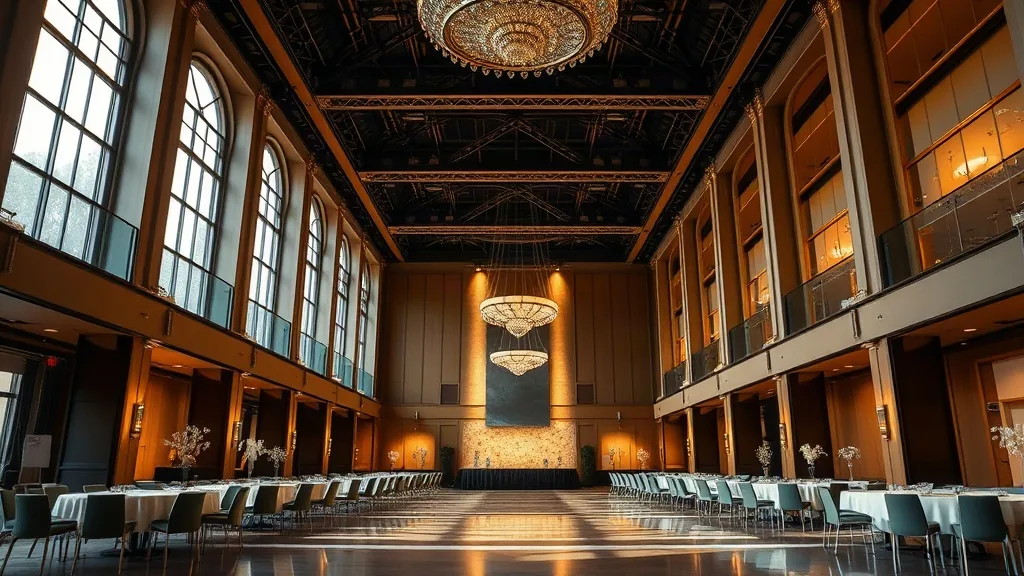
A client brought two cases of a special vintage to her company’s anniversary dinner, a wine the founder had served at the first office 20 years earlier. Lovely gesture. The banquet event order I inherited had a corkage fee of $35 a bottle on 24 bottles, which is $840, and a separate “cake-cutting fee” of $4 a head on 140 people, another $560. Two sentimental touches, $1,400 in fees nobody had budgeted. Both were legitimate charges. Both were negotiable. Neither had been questioned.
That’s the pattern with F&B fees. They’re real, they’re small individually, and they add up to a number that surprises the CFO. I keep a checklist of the per-item fees that hide in banquet contracts, and I run every BEO against it before I let a client sign.
Corkage: the fee for bringing your own
Corkage is what the venue charges to serve wine or spirits you supply instead of buying theirs. It runs $15 to $40 a bottle at most banquet venues, higher at fine-dining rooms. The venue’s logic is that it loses the markup it would have made selling you the bottle, so corkage recovers some of that plus the cost of glassware, service, and chilling.
Corkage is worth it only when your bottle is meaningfully better or cheaper than what the venue sells. A $22 supermarket bottle plus $35 corkage is $57, worse than buying the house wine. A rare vintage you already own, or a case bought at wholesale, easily beats the venue’s list price even after corkage. Do the per-bottle math both ways. And negotiate the corkage rate before signing, because on a large event venues will often cut it or cap the number of corkage bottles at a flat fee.
One trap: some venues prohibit outside alcohol entirely because of their liquor license, so corkage isn’t even an option. Confirm the venue allows it before you plan around your own wine. This is where a winery or vineyard venue flips the logic, since they’ll expect you to drink their production and corkage on outside wine may be steep or banned.
Cake-cutting: the fee that feels absurd
The cake-cutting fee, $3 to $8 a head, is charged when you bring an outside cake and the venue cuts and plates it. It feels ridiculous, and clients hate it more than any other line. The venue’s defense is the labor to cut, plate, and serve, plus plates and forks. On 140 people at $4, that’s $560 to slice a cake.
Here’s how I handle it. If the cake is central (a milestone anniversary, a retirement), I negotiate the cake-cutting fee down or into the package, and it usually comes off on an event with a healthy F&B spend. If it’s not central, I have the venue’s pastry team make the dessert instead, which folds into the per-head and avoids the outside-cake fee entirely. Bringing an outside cake almost always triggers the fee, so only do it when the specific cake matters.
The per-item fees that stack quietly
Beyond corkage and cake-cutting, here’s my full hunt list, because these are the ones planners miss.
Plating or plate-up fee: some venues charge to plate desserts or items you supply, separate from cake-cutting. Chef-attendant or action-station fee: $150 to $350 per attendant for carving stations, omelet stations, or any chef standing at a station, and it’s per attendant per event, so a three-station reception adds $450 to $1,050 you might not have counted. Bartender fee: $150 to $250 per bartender if your bar spend doesn’t hit a minimum. Coat-check attendant, restroom-attendant, and doorman fees on upscale events. China or upgrade fees when you want anything beyond the house banquet china. And the labor charge for early setup or late teardown outside the contracted window.
None of these are scams. They’re real labor. But they belong in your budget from the start, not discovered on the final invoice, and several are negotiable or avoidable if you catch them at contract, not at reconciliation.
The F&B minimum interacts with all of it
Here’s a subtlety that trips people up. Fees like corkage and cake-cutting usually do not count toward your food-and-beverage minimum, because they’re service charges, not F&B spend. So if you’re chasing a $12,000 minimum and $1,400 of your bill is corkage and cake-cutting fees, you still owe F&B spend toward the $12,000, and the fees sit on top. Read whether each fee applies to the minimum or rides above it, because it changes how much food you actually need to order.
The service charge often stacks on these fees too. A $35 corkage can carry the 24 percent service charge, making it $43.40 a bottle, and then tax on top of that. The small fee isn’t as small once the percentages ride it. This is the same stacking logic that inflates every banquet line, and it’s worth understanding in full.
For the mechanics of when corkage applies and when it doesn’t, what is corkage and when does it apply is the detailed version. So the minimum doesn’t ambush your fee planning, read what an F&B minimum actually means. And because the service charge rides on top of all of this, service charge vs gratuity: the real difference closes the loop.
Venue type sets the fee culture. Independent banquet halls are often the most flexible on corkage and cake-cutting; restaurants with private dining tend to hold firm on corkage because wine sales are core to their model; and wineries and vineyards build their whole economics around you drinking their product. Match your bring-your-own plans to the venue’s model.
So before you sign, send me your draft BEO. Are you bringing any outside wine or a cake, and how many chef-attended stations or bartenders are on the plan? Tell me that and I’ll tell you which fees to negotiate out before they land on the final invoice.


