
Event security staffing: how many guards and what they cost
One unarmed guard runs $35 to $55 an hour with a four-hour minimum, and the number you need is a formula, not a guess. Here is how I size a security team by event type and headcount, and the line items that turn a simple quote into a five-figure one.
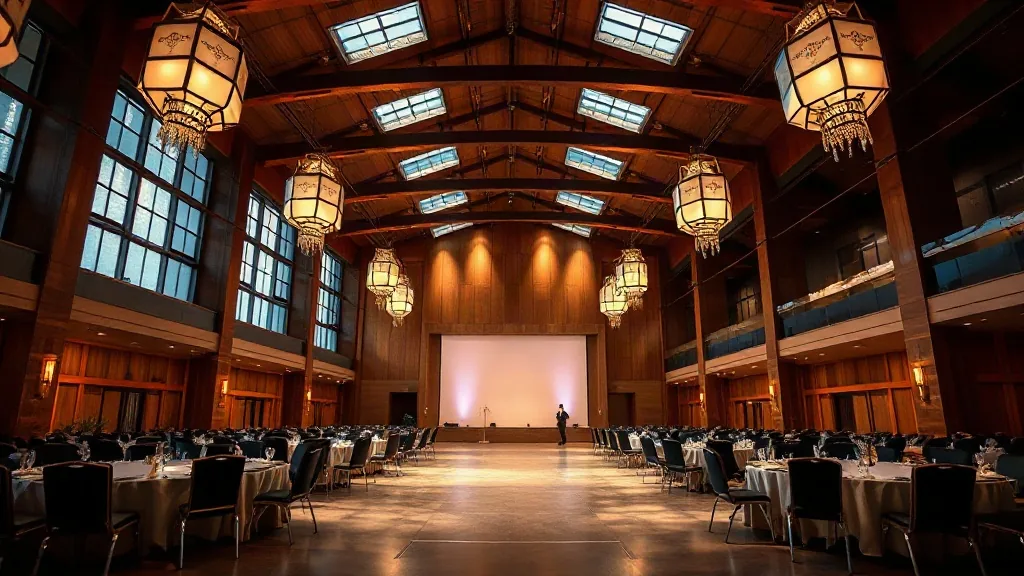
A biotech client asked me to add “a security guy” to a 300-person product launch in Miami two weeks out. What she pictured was one person at the door. What the event actually needed was four: two at the entrance checking the guest list, one roving the floor, and one posted at the executive green room where the CEO and two board members were staged. That team ran about $3,100 for a six-hour call, and it was the right number. The mistake most planners make is treating security as one line when it’s really a staffing plan with a headcount, a post map, and an hourly rate.
Security pricing is not mysterious once you know the two things that drive it: how many guards, and what kind. Unarmed guards run $35 to $55 an hour in most markets, armed guards $55 to $90, and off-duty police officers $65 to $120 an hour, usually with a strict minimum. Almost everyone bills a four-hour minimum whether your event is three hours or six. The whole game is sizing the team correctly, because two extra guards you don’t need is $700 gone and two too few is the risk you hired them to cover.
Start with the coverage map, not a headcount
I don’t ask “how many guards.” I walk the room and count posts. A post is a spot that needs a person: each public entrance, each loading dock or back-of-house door that stays unlocked during the event, the registration area, the coat check if there’s one, any VIP or executive staging area, and the floor itself for roving coverage. Count the posts first, then staff them.
For a standard corporate reception of 200 to 300 people at a single-entrance event venue, that’s usually a door team of two, one rover, and one back-of-house watch. Four guards. Add a fifth if you have a genuine VIP who needs a dedicated shadow, which the biotech launch did.
The rough ratios I start from
Post-counting gives me the real number, but I sanity-check it against ratios so I don’t under-staff a big room:
- General reception, controlled guest list: one guard per 75 to 100 attendees, minimum two.
- Public-facing or open-door event: one per 50, because anyone can walk in and you need eyes at the perimeter.
- Event with alcohol and a late crowd: add a guard. Incidents rise with the bar tab, and you want coverage near closing.
- High-profile executives or a controversial topic: dedicated close protection, separate from the crowd team, often armed or off-duty law enforcement.
A 300-person reception at one entrance lands at 3 to 4 guards. A 1,200-person event with three entrances at a convention center is a different animal, closer to 12 to 16 across door teams, floor coverage, and a supervisor. Anything at a stadium or arena usually comes with a mandated in-house security contract and minimum staffing you don’t get to shrink, so read that clause before you budget.
What the quote actually includes
A clean security quote breaks into pieces, and the pieces are where the number grows:
- Guard hours. Number of guards times billed hours times rate. Four guards, six hours, $48/hour is $1,152. But the four-hour minimum means a guard you need for only two hours still bills four.
- Supervisor. Any team over five or six guards should have a lead who doesn’t stand a post. That’s an extra body at a higher rate, usually $55 to $70 an hour, and it’s worth it because the lead is who you call when something happens.
- Armed premium. Armed coverage roughly doubles the unarmed rate. Only buy it when the threat picture or the venue actually calls for it.
- Off-duty police. If you want sworn officers, you often go through the department’s off-duty program with its own minimums, sometimes a five or six-hour floor, plus a car if you want a marked vehicle presence.
- Holiday and overnight loading. Overnight security to watch gear and staging, or a New Year’s date, carries premium rates.
The biotech launch, four guards at roughly $48 for six hours plus a small VIP premium, is a clean $3,100. A 1,200-person conference with a dozen guards and a supervisor over a two-day event moves into the $12,000 to $20,000 range fast. I benchmark every quote against real ranges in security staffing cost by event size so I know when a vendor is padding.
Match the guard type to the actual event
The most common overspend I see is armed guards at an event that needed a friendly face at the door. A corporate holiday party does not need a sidearm in the room. It needs someone checking names, watching the bar, and knowing where the exits are. Under-hiring is rarer but worse: putting one unarmed guard on a 500-person open event with alcohol and hoping. Match the type to the risk, and let the event dictate it. My full breakdown of guard type by scenario is in how to hire event security by event type.
Brief the team like they’re part of the event
Guards you don’t brief are guards standing around. I give the security lead a post map, the run of show, the names and photos of the VIPs, the emergency exits, the location of the AED, and the one sentence that matters most: what does escalation look like and who do they call. On the biotech launch, the green-room guard had the CEO’s photo and a short list of exactly who was allowed back. That’s the difference between security and decoration.
The security team is also part of the wider day-of staffing plan, and I build it into the same document as my registration crew, my caterer captains, and my AV lead so the posts don’t overlap or leave gaps. That full-event view lives in my day-of staffing plan.
Book it two weeks out, not two days
Good security companies book up, and the last-minute scramble either costs you a premium or gets you whoever’s left. I lock the team two to three weeks out with a signed post plan, confirm the guards are licensed for the state, and get a certificate of insurance on file. In Florida, unarmed and armed guards carry different license classes, and the venue may require proof, so I check that before the event, not at the door.
So tell me the shape of your event: headcount, how many entrances, whether alcohol is served, and whether you’ve got a VIP who needs a dedicated post. Those four answers give me your guard count and a real cost, not a guess.


