
Field-team QBRs across three time zones
A quarterly business review with a field team scattered across three time zones is a scheduling problem before it's a content problem. Get the clock and the venue wrong and half the room is exhausted before the first number. Here's how I build one that respects every zone.
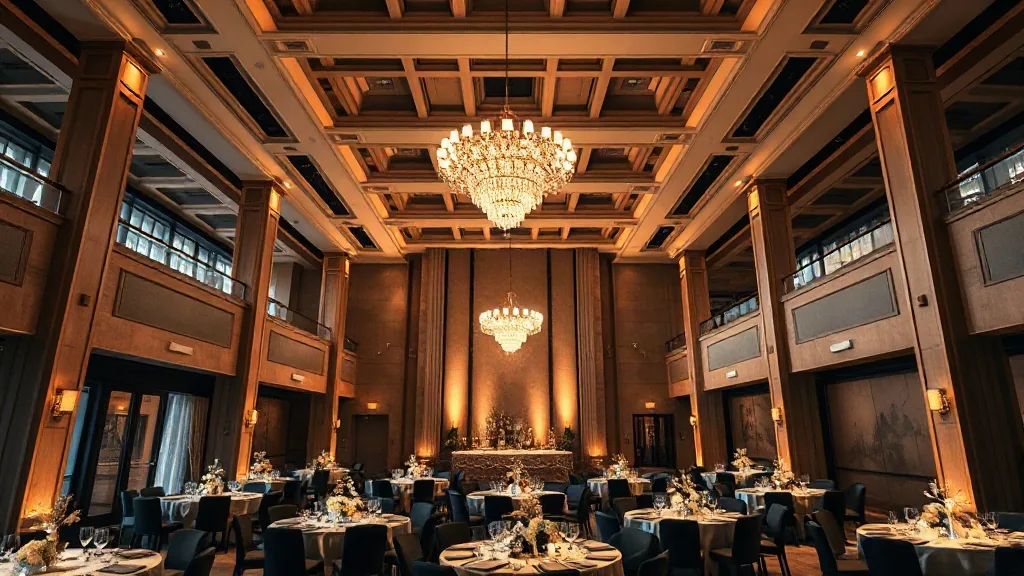
The clue that a QBR was designed by someone in one time zone is the 8 a.m. start. For a field team spread from Boston to Denver to San Francisco, an 8 a.m. Eastern start means the West Coast reps joined at 5 a.m. their time, and by the time the East ran its afternoon numbers, the West had been awake for eleven hours. I’ve watched a Q3 review lose its entire West Coast contingent to glazed silence by 2 p.m. Eastern, and the content wasn’t the problem. The clock was.
I plan convenings for a living, and the multi-zone field QBR is a case where logistics decide the outcome before anyone opens a deck. The team is distributed, the review is dense, and the day has to work for people whose bodies are on different clocks. That’s a design problem, and it starts with the schedule, not the ballroom.
Decide in-person or hybrid first, and be honest
The first fork is whether you fly everyone to one room or run it hybrid with regional hubs. Flying a 60-person field team to one city for a two-day QBR is the clean answer for the content, because you get everyone on one clock in one room, and the review lands. It’s also $90,000 to $130,000 in travel and rooms once you count flights, two nights, and F&B. Hybrid is cheaper and worse for the discussion, and it introduces the AV risk that eats these events.
If it’s hybrid, read the hybrid event AV reality check before you promise anyone a glitch-free experience, because a distributed QBR with poor audio for the remote hubs quietly tells half your team they’re second-class. When I go hybrid I insist on real conferencing audio, a dedicated remote-hub producer, and a facilitator whose explicit job is to pull the remote rooms into the conversation, or they’ll never speak.
Pick a central-time meeting city on purpose
When we do fly everyone in, I push for a Central-time host city, because it splits the difference and shortens the worst flight. A Dallas or Chicago QBR means the East loses one hour and the West gains two, which is a far kinder spread than hosting on either coast. It also cuts the longest single travel leg, so nobody arrives wrecked. A conference center or an airport-adjacent property in a Central hub gets the team from plane to seat with the least friction, and for a review-heavy agenda that friction budget matters.
Build the agenda to the widest awake window
Even in one room, I schedule to a humane common window rather than jamming the day full. I anchor the working sessions between roughly 9 a.m. and 4 p.m. local, and I front-load the densest numbers into the mid-morning when the whole room is sharp, not into the after-lunch trough. The reviews that require the most attention, pipeline scrutiny, forecast challenge, go before noon. The afternoon gets working sessions, breakouts, and standing conversation, which survive lower energy.
I also refuse the back-to-back-to-back block schedule that field leaders love. A QBR where twelve regions each present for 25 minutes with no air is a death march, and the last four regions get a checked-out room. I build in real breaks and I cap the plenary presentation load, moving detail into smaller rooms.
The room setup that keeps a review honest
A QBR is a working session, not a keynote, so I set the room for engagement, not spectator seating. Rounds or a U-shape for a smaller team, so people face each other and the numbers get challenged, not just presented. For a larger field org I use crescent rounds facing a stage, which keeps sightlines while still letting tables talk. The setup tells the room whether this is a discussion or a broadcast, and a QBR should be a discussion.
Screens matter here in a specific way: field reviews are number-dense, and a single screen at the front means the back tables can’t read the pipeline. I spec confidence monitors or side screens so the data is legible from every seat, because a review where half the room can’t read the forecast isn’t a review.
Feed people for stamina, not indulgence
Multi-zone fatigue is a blood-sugar problem as much as a clock problem. I brief the hotels and resorts catering team for sustained energy: protein-forward breakfast, a lunch that isn’t a heavy carb coma, and afternoon breaks with real food instead of a candy table that spikes and crashes the room. For a West Coast rep already three hours behind their body clock, a 2 p.m. sugar crash is the end of their useful day. Good fuel buys you attention you can’t get back any other way.
Regional QBRs as the pressure-release valve
Sometimes the honest answer is not one national QBR but three regional ones, run the same week in each zone’s own time, then a short combined virtual session to align. This costs more room-days but it removes the time-zone tax, and each region reviews on its own clock at full energy. A right-sized coworking with events space in each region can host a 20-person regional review affordably, and you reserve the expensive all-in gathering for the annual kickoff. For the mechanics of that big annual convening, the sales kickoff planning playbook is where I start, and the company all hands planning playbook covers the reconvene-and-align session that ties regional reviews together.
The detail that decides how the day is remembered
Here’s my tiebreaker across all of it: protect the travel days. If reps fly in the morning of day one and fly out the evening of day two, you’ve bracketed a demanding review with two exhausting travel days and the content lands on tired people. I build in an arrival evening with nothing but an optional dinner, and I schedule departures for the afternoon after the review ends, not a red-eye. The review is the investment. Don’t wrap it in fatigue on both ends.
A multi-zone field QBR is a scheduling and logistics problem wearing a content costume. Pick a central host, schedule to a humane window, feed people for stamina, and protect the travel days. Get those right and the numbers take care of themselves.
Send me your field headcount, the zones they’re spread across, and whether leadership wants one national review or regional ones, and I’ll build the clock and the venue plan around your people, not against them.


