FINRA-supervised events and the entertainment rules nobody reads until audit
FINRA-supervised events require entertainment riders that cap performer fees and itemize AV invoices to avoid audit violations.
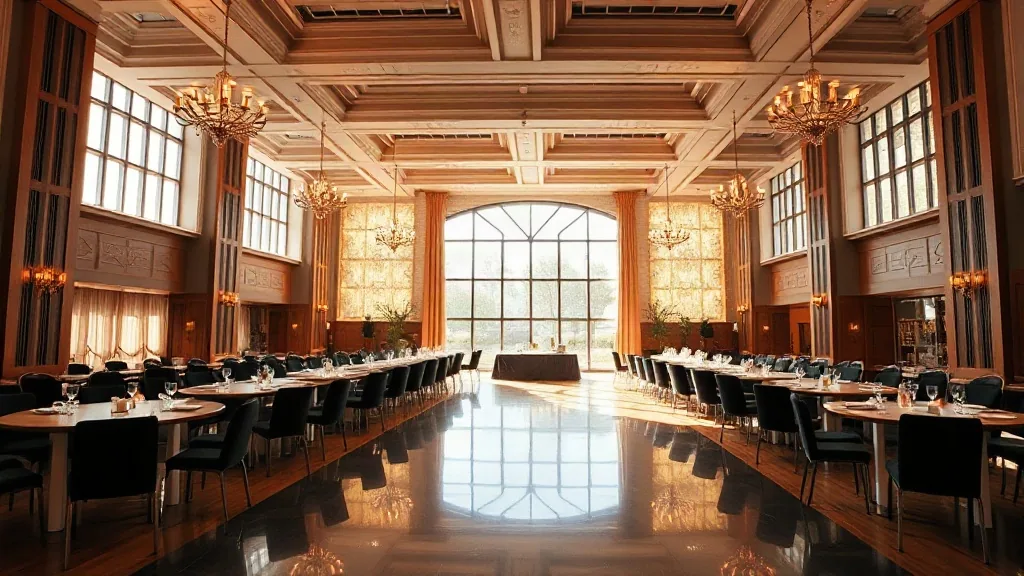
I was rebuilding a stage in San Jose three years ago when a compliance officer for a big biotech client pulled me aside and asked if we’d checked the “entertainment rider.” I had not. The rider capped the value of a singer’s performance at $2,500, tied to state ethics rules, and the AV invoice had to be itemized so the band’s fee didn’t look like a speaker honorarium. That conversation saved the client from a very awkward audit, and it taught me that my job doesn’t end at the sightline. It ends in the file folder.
The entertainment rider is a separate line item, not a vibe
Here’s the scene I see most often. I get a call from a wealth management firm booking a 60-person dinner in San Francisco with a jazz trio. The venue quotes $18,000 all-in, including the band. The client says great, writes one check, and calls it done. When the audit comes, the examiner wants to know the value of the entertainment, separately from the food, and the firm can’t produce it. The venue also won’t split the invoice after the fact, because the venue contract bundled the band with the room rental. I now require a separate performer agreement, even when the venue supplies the entertainment, so the audit trail shows the band’s fee as an isolated dollar amount. I write that requirement into the contract before I sign, not after the show.
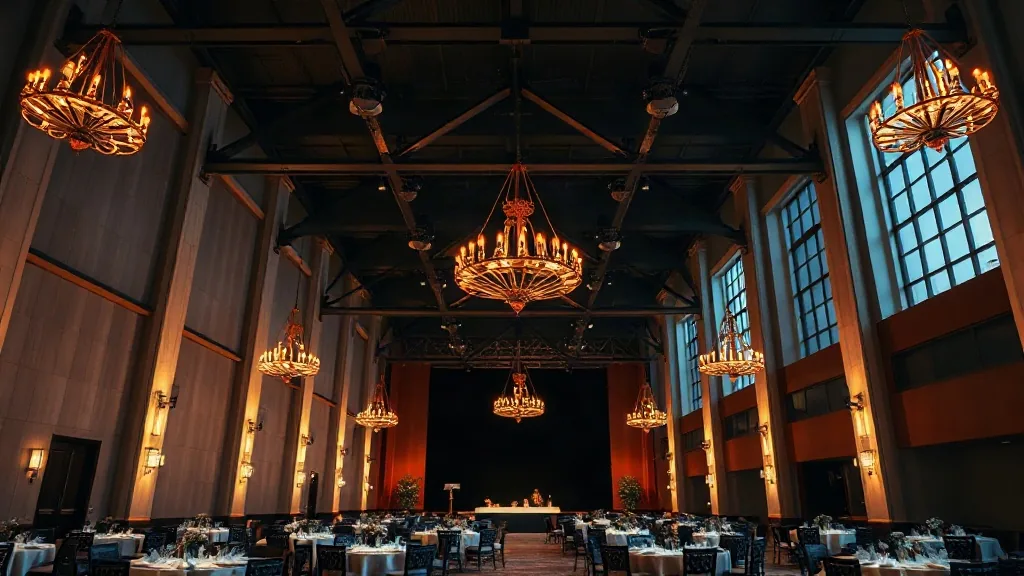
One practical workaround for your entertainment program? A cap on what the talent can cost per person. Most of my pharma and securities clients tell me they’re instructed to cap entertainment value in the range of a few hundred dollars per attendee, but I never rely on that. The fee depends on firm policy, state ethics rules, and the type of attendee. I ask clients to share their internal entertainment threshold in writing and I build the talent spend under it with a 15 percent buffer, because room service, gratuities, and production labor are often added to the entertainment line in an audit. In Richmond, where I booked a corporate dinner at one of the dignified assembly halls, the venue tried to add a “performance facilitation fee” that was really a secret surcharge on the comedian. I caught it by reading the fine print.
Where the venue category changes the math on attendees
The cheapest route to compliance is staying out of a “public entertainment” category altogether. A private dining room, where the event is not open to the public and admission isn’t sold, is a different beast than a concert hall. I steer financial clients toward private dining rooms with dedicated spaces because the controlled headcount solves the issue of who counts as an “attendee” for the entertainment rule. An open floor plan in a lounge can make a passerby a guest for the record’s purposes.
Let me give you a concrete footnote from a gig in Charleston’s historic district. The venue held 90 and the band wanted to load in at 4 p.m., but the street closure permit only started at 5. The production company quoted punitive overtime labor for the union-affiliated ramp crew, so the entertainment fee ballooned to an amount over my client’s internal ceiling. I shifted the act from a six-piece band to a duo with keyboards, reconfigured the schedule, and the entertainment line came in under the threshold. The planner should always ask about load-in windows when assessing talent. It changes the ticket, and it can push you over an internal cap without your noticing.
If you’re booking in less obvious markets, the venue class changes your risk. In a place like Chamberlain, South Dakota, the nearest private dining venue is a casino-adjacent hotel with variable rules on live entertainment. The gambling floor connection made my client’s compliance team decline that whole space. I pivoted to a standalone private dining spot in Weston, Florida for the roadshow later that year. The hospitality laws differed by state line, but the principle held in both: keep the event in a bookable room that advertises a contractual end time and a confined attendee list.
Marketing the event is subject to its own record keeping
Practical point: set up a shared drive or folder where invitations are logged with their subject lines and send dates. If your marketing says there will be a premium open bar with name-brand spirits and you run out, that is a compliance complaint waiting, because the material presented to the public made a promise. My production team over-caters on the top-shelf items by 20 percent during financial events. I’s cheaper than explaining a promise broken to someone who’s recording on their phone.
I also extend the log timeline past the event date. The audit can come 18 months later. I keep the post-event thank-you email under a couple of lines so it doesn’t read as an additional marketing communication requiring approval under the rule. When in doubt, the marketing team approves the thank-you before rest words.
This is where working with a venue that has a built-in sales floor can backfire. A well-meaning events manager offered to promote my client’s networking hour to the hotel’s other list. That was genuinely unhelpful, since expanding the audience outside the invite list created an unintended extension of the marketing campaign. Use conference centers in Fort Worth with strong control over who is on the property list. The best venues do not market your private event to the public. I make that a contractual condition: no reposting of event details on venue channels, no tagging of sponsors in the venue’s social feed without prior approval. A venue operator looking for self-promotion is a compliance liability.
The contract clauses I try to add before the rider gets reviewed
I negotiate for the audit specifically. The single list of tech specs helps the buyer. For every production element I estimate a cost, then I insist on a clause that the venue and the talent each issue separate itemized invoices no later than five business days after the event. This creates the written record the examiner wants, without me chasing the talent’s manager through multiple emails weeks later.
A second clause is bumping for talent behavior. Financial firms ask entertainers to avoid certain references during the set, and the penalty clause says if the act breaches, the firm can withhold the remainder of the fee. In practice, a client of yours can hurt you. Be explicit that no mention of specific investment performance or political endorsements is allowed on stage, then have a producer in the room who can cut the audio if the actor improvises. I’ve had to fade a guitarist mid-song because the musician announced a fundraiser from the stage. I was the one who saved the client from a headache nobody forecast.
For franchises or attendance-building events, the entertainment logic flips. When compliance is the host, the audience is the sales prospect, and the “attraction” of the event counts differently if it’s restricted. In holding a training over video across time zones, production is simpler, since the entertainment is nonexistent. That beats an in-person performer with zero insurance backing. Actually, don’t hire an entertainer who doesn’t sign a standard certificate of insurance naming your client as an additional insured, not the venue. Venue insurance protects the building, not the sponsor. Most independent players will agree to sign that paperwork, and those who refuse are your risk flag. The ones who arrive with no liability coverage other than a state’s souped-up minimum are a hard pass. I’ve walked talent who refused the additional-insured clause.
Before you sign anything, send me your headcount and your date. I’ll look at your audio layout so you can fit a band in a ballroom in a place like Scottsdale without building a wall of gear that hides your stage.