Assigned seating at a corporate dinner: when it helps and when it insults
Assigned seating works for large events, but forcing it on small groups can backfire badly.
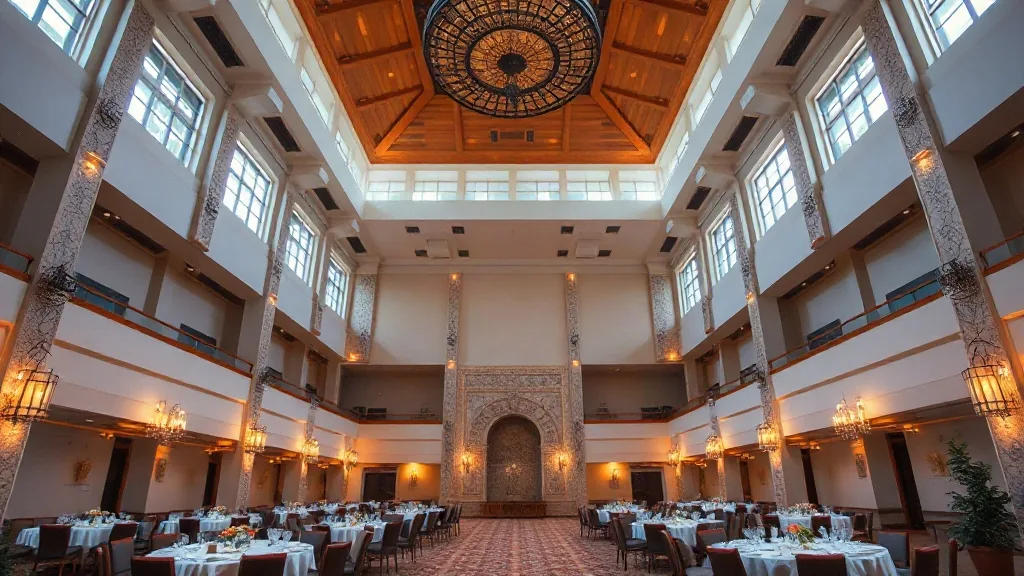
I planned assigned seating for a 140-person finance dinner in Tampa last March and watched a managing director physically move his place card to the opposite side of the room. He did it in full view of the client he was supposed to be sitting next to. That move cost me a morning of reprinting escort cards and taught me the real lesson: assigned seating is a tool with a narrow window of usefulness, and outside that window it reads as control, not hospitality.
I have booked corporate dinners since 2017, mostly for healthcare and finance clients across Florida, and I have built seating charts for groups as small as 12 and as large as 300. The decision is rarely about logistics. It is about reading the room, reading the client’s culture, and knowing which battles are worth the print cost. Here is how I actually decide.
When assigned seating earns its keep
Healthcare compliance dinners are my clearest case. Most of my pharma and device clients cap dinner spending between $75 and $125 a head, and their compliance teams require us to document who attended and what was discussed. You cannot document a productive conversation if your key opinion leader ends up seated next to the sales rep’s spouse. Assigned seating guarantees the right people cluster: the physician next to the medical science liaison, the hospital administrator next to the account executive who actually handles their contract. I have run this format for groups from 16 to 60 and it works because the goal is transparent to everyone at the table.
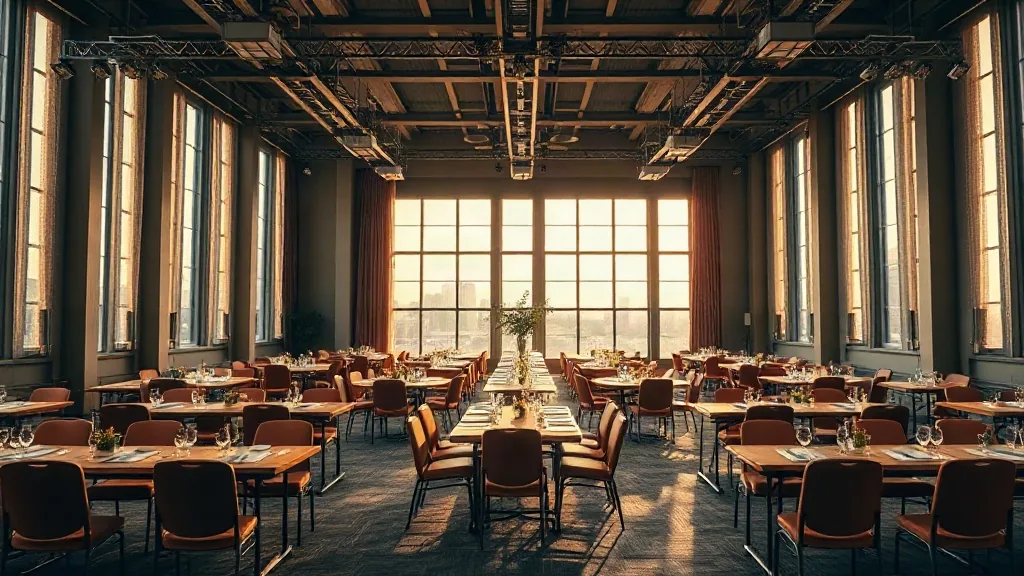
The second scenario is the multi-company dinner. When I book a private dining room for two or three client firms that do not know each other, I seat them together intentionally. A room of strangers left to their own devices will cluster by company, and your event becomes three separate dinners sharing a bill. I once did a 45-person dinner at a steakhouse in downtown Orlando where the host firm brought 12 people and the two client firms brought the rest. I interwove the seating chart so every table of ten had people from all three companies. The host’s CEO told me afterward it was the first cross-sell conversation they had managed in two years of trying.
The dinners where assigned seating backfires
The classic mistake is assigning seats for a relationship-building dinner when the relationship is the point, not the agenda. I had a client last year, a regional bank, who insisted every one of their 30 guests get a specific seat at a holiday dinner in Naples. The guests were existing clients who knew each other from years of golf outings and board meetings. They wanted to catch up. The assigned seating forced a rigid table of ten that separated two friends who had driven up together and expected to sit side by side. One of them actually asked the server to swap cards. It was awkward for everyone.
When the dinner is purely social, and the client roster is full of people who already know each other, let them sit where they please. Assigned seating reads as suspicion. It says you do not trust your own guests to make good choices, which is a strange message to send to people who pay your invoices. For groups smaller than 15, I rarely push for assigned seating.
The second backfire is the surprise assignment. If the client has not told guests in advance that seating is assigned, you will get resistance at the door. I learned this the hard way at a 60-person dinner in Fort Lauderdale where the host firm wanted me to enforce a chart but had sent no advance notice. Guests walked in expecting open seating, grabbed the good seats, and then had to be uprooted when they found their assigned place. I handled it by having waitstaff discreetly escort the displaced guests to their new tables, but the energy was off for the first half hour. The fix is simple: put a line in the invitation that says “seating is pre-arranged to encourage conversation.”
The third backfire is when the chart does not match the room you actually booked. I have walked into restaurants where the private dining room layout had an extra table of two that the manager did not mention during the site visit. Your carefully crafted chart is now wrong at table seven, and you are scrambling to reassign three people. Always confirm the final table count with the restaurant 48 hours out, and always print a few blank escort cards in case someone brings a plus-one you did not plan for.
How I build a chart that does not insult anyone
When I print the escort cards, I write the table number but not the seat number. That gives you room to swap one or two people at the last minute without reprinting the entire run. The card says “Table 4” and the table itself has the seat assignments on a small tent card. It is a minor detail that has saved me more than once. Related, I always check the dietary restrictions before I allocate seats. A vegan guest seated at a table served family-style steak is a complaint you will hear about for weeks. If you need help finding a space that actually fits your group, I have used a guide on private dining restaurants in Nashua, New Hampshire that lists capacity and room layouts by city; it has saved me hours of cold calling for difficult headcounts. Pair that research with the exact figures in your contract about table configuration and you will avoid the 48 hour surprise.
The money and the contract details
Assigned seating costs more than open seating because the restaurant has to bring the room to a set configuration and hold it. At most restaurants in the venues I book, the room rental for a private dining space runs between $500 and $3,500 depending on the night, and Friday dates in season can push that higher. I have seen venues in cities like San Bernardino with minimums around $2,000 for a Saturday. The key figure is the food and beverage minimum, not the rental. Most places quote a minimum between $75 and $150 per person for a seated dinner, and you must hit that number before tax and gratuity. If your headcount drops by ten, you are still on the hook for the full minimum, so I negotiate a clause that allows a 10 percent reduction in the minimum if the final count drops for reasons outside my control.
The gratuity is where clients get confused. A standard service charge of 18 to 20 percent is automatically added to the final bill. That money goes to the restaurant, not necessarily to the individual servers, and I have written about the 15 percent gratuity already covering it. My advice is to confirm the breakdown before the event and tell the client what their net cost actually looks like, because the service charge can add $700 or more to a $3,500 dinner.
Your final word count will depend on the specifics of your market, but I have come in under budget on the nonprofit retreats I plan by negotiating the bar minimum down to a consumption bar after 9 pm. And when a wedding season inquiry bleeds into a corporate slot and you get pushed into a busier weekend, that is exactly when you confirm the layout early or lose the room to a bride. Confirm the venue’s capacity limits and fire code walkways before you promise a seating arrangement. The ADA requirements for aisle width are often stricter than the restaurant manager remembers, and I have booked accessible stage setups that required a specific ramp design to make the room compliant. Check the specifics with the venue and your compliance team, because the rules vary by city.
So tell me about your next dinner: what is the headcount, and is there an actual agenda, or is this purely social? I will tell you within a day whether we should print cards or let the room sort itself out.