Government and public-sector per diem caps and the venues that fit them
Government per diems cap at booking date, not travel date, reshaping venue choices.
Government per diems are not what most planners think they are. The GSA rate for a mid-tier city like Sacramento sits around $118 a night for lodging plus $59 for meals, but anyone who has actually booked a state worker into a downtown property knows the real number that matters is the blended state rate, often lower than the federal one, and that is before you factor in the state’s own travel rules that link the allowance to the calendar date of booking, not the date of travel.
Reading the actual rate sheet before you touch a room block
The per diem figure on a government website is the maximum reimbursement, not the price you should target. My rule of thumb is to build the room block at roughly 85% of the published cap so the traveler has room for taxes and incidental charges without filing a variance report. Sacramento’s rate covers the room and state tax, but it does not cover the parking fee that most downtown hotels charge at $25 to $40 a night, and that money comes out of the same pocket unless the agency has a separate line item.
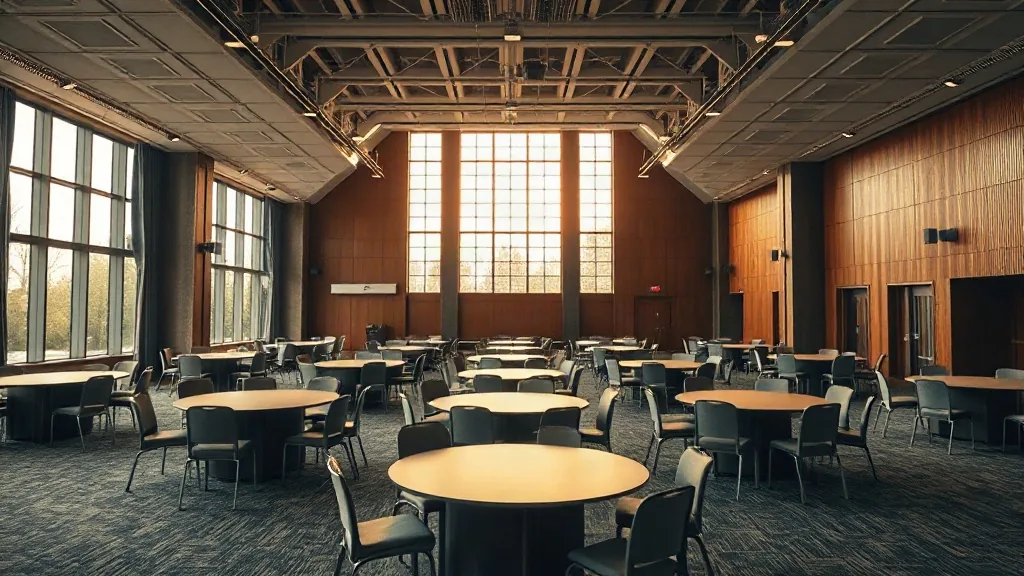
Venue tiers that match the per diem reality
Not every property can make the math work, and pretending otherwise wastes everyone’s time.
At the bottom tier you have the limited-service properties, the ones with a lobby that doubles as the breakfast area. These routinely land at $85 to $105 a night in secondary markets, which puts them under most per diem caps without any negotiation. The trade-off is the meeting space is often a single boardroom that seats no more than twenty, and the AV is a projector on a cart that you have to fight the front desk to use. For our hotels and resorts in Davenport, Iowa, that tier is the realistic choice for a state agency doing routine compliance workshops, because the federal per diem for that metro leaves enough room for a dinner that does not require a receipt for the full amount.
The second tier is the full-service suburban property, the ones near an interstate interchange or a county government center.
Think of the properties in our Edison, New Jersey collection. These run $110 to $140 a night depending on the week, which means the rate clears the federal cap some weeks and sails past it during a convention overflow from New York City. You book those for weekday dates only, you lock the rate with a cut-off date 30 days out, and you accept that you will lose about 10% of your block to attrition because the government traveler has no incentive to fill a room they are not using. The meeting spaces are better here, but they price meeting room rental separately, and that is where the real cost shows up.
A planner who quotes only the room rate is not done with the math. The meeting room at these properties runs anywhere from $500 a day for a small conference room to $2,500 for a space that holds 80 people in classroom seating, and most government clients will not pay a rental fee unless you wrap it into the sleeping room cost.
When the rate caps change the city you book
The per diem table does more than set a price, it changes geography.
I have worked with a federal agency that needed a three-day all-hands for 60 people. The original venue was in downtown San Jose, where the lodging cap sat at a level that pushed the room rate to the absolute ceiling, leaving zero margin for negotiation. We moved the event 20 miles south to a property in our Pomona, California list, a completely different market where the same quality of hotel comes in $35 to $40 under the cap. The agency saved roughly $4,200 on lodging alone, and the attendees saved on parking because the property had a free lot.
For our London, Kentucky properties, the cap is low enough that the lodging market is naturally aligned, the hotels price themselves to capture the steady government and military traffic that comes through the region, and you rarely have to negotiate hard to land under the GSA number. The difficulty there is availability during peak seasons, when the same road fills with visitors heading to outdoor recreation areas and the hotels will not hold the government rate for an event that does not commit to a block by a specified date.
The venue that fits a per diem cap is not always the cheapest or the most expensive, it is the one whose pricing model already assumes the per diem traveler is a core customer. Those properties have their act together on the paperwork side. They generate the correct billing codes, they accept a government purchase order without a protracted credit check, and they do not treat a tax-exempt form like a surprise.
Extending the stay and the GSA rate on the edges
The per diem rate is a daily figure, not a blanket authorization, and that distinction wrecks more itineraries than any other line item.

Most government travelers on official business get lodging reimbursement for the duration of the assignment. Add a personal day on the front or back, and the commercial rate kicks in for that extra night. A property running a $99 weekend rate either helps you or hurts you depending on how the contract is written. I handled an event in Magnolia, Arkansas where the agency wanted attendees to arrive a night early to avoid an early-morning flight. The per diem did not cover that extra night because it was not official travel, so the agency had to eat the cost as a separate line item or the attendees had to cover it personally.
One of the things the general public misreads is the meal portion. The GSA rate for meals during this period includes about $16 for breakfast, $17 for lunch, and $26 for dinner, depending on the season and the tax rate for the destination, but those are not fixed by meal definition. You can spend the whole per diem on one dinner if you want, you just do not get reimbursed more because you combined them. Venues that price a dinner at $75 a head are automatically ineligible for any official meal reimbursement I have managed.
Making the pick before you submit the paperwork
One of the most respected planners here shared a trick that I have since adopted: decide on the venue based on the rate sheet from two weeks ago, then double check whether the new fiscal year rates have changed anything. The federal government posts updates that take effect on October 1, and some state rates shift on July 1. Booking a room at the old number when the cap has dropped is an easy way to create a variance that finance will flag.
The federal per diems are the baseline that most state agencies quietly use even when they have their own published rates, because the state versions are frequently structured as a percentage of the federal number. A state employee traveling to a city with a modest federal cap lands in a property that fits the rate and meets the capacity, and that does not feel like a stretch.
For public-sector events that touch CLE requirements for attorneys or government ethics training, the law firm partner retreat rules carry their own quirks around who can pay for a meal and what counts as a business purpose. Compliance teams in regulated industries face similar constraints, so the fintech event compliance playbook offers checks that translate directly to a government setting, especially the part about keeping attendee lists and purpose statements clean.
Before you sign, verify the specifics of the rate with the agency’s travel office or your own finance contact, because the numbers move quarterly in high-cost counties and the exceptions vary from one agency to the next.
Send me the headcount you expect, the dates you cannot move, and the city where the work actually happens so I can tell you which of the properties in our portfolio clears the cap without a fight.