Pharma and medical device events: what the Sunshine Act does to your food and beverage budget
Sunshine Act compliance can slash your pharma event F&B minimum by 75 percent with one contract word change.
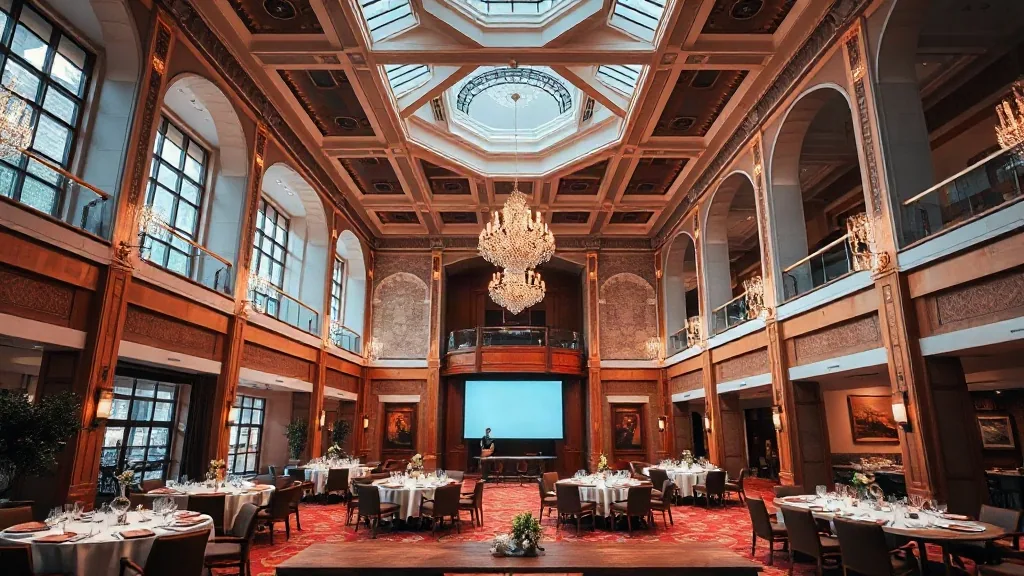
I moved a pharma advisory board to the Renaissance Orlando in November and watched the F&B minimum get cut from $40,000 to $9,000 after I changed one word in the contract. The word was “luncheon” and the fix was to make the entire day a tracked educational program instead of a catered meeting. That single edit rewired how food and beverage surfaces in the budget. If you book healthcare events without a compliance lens on your menu, you are leaving thousands on the table or, worse, creating an audit trail your finance team will hate.
The floor math changes before you pick a hotel
Most of my pharma clients cap dinner between $75 and $125 a head, including beverage, tax and gratuity. That is not a legal threshold. It is the range compliance teams tell me to use because it keeps the aggregate reporting low. Your firm may have a firm cap of $150 or a strict $50. The cap determines which venues I can even look at.
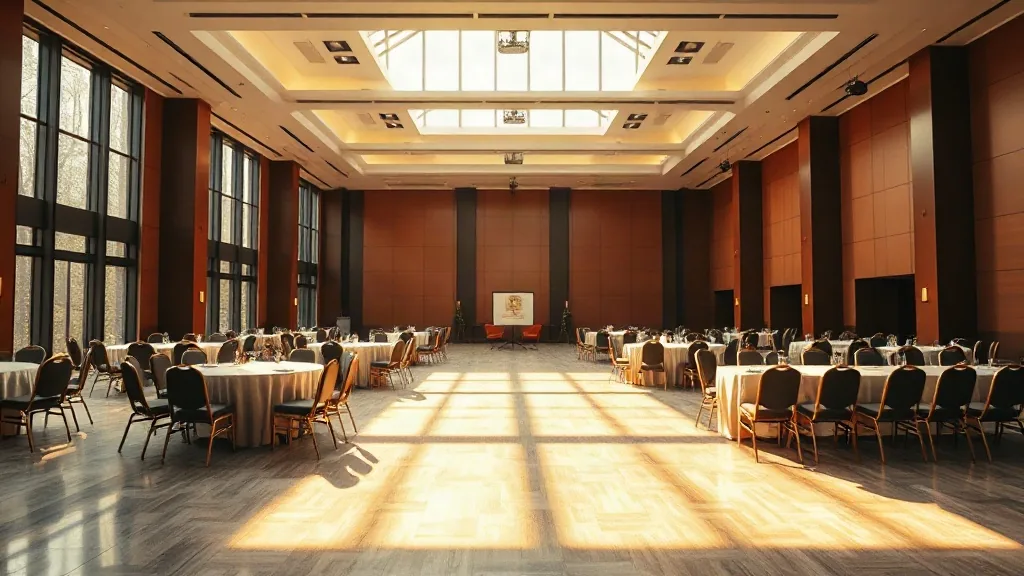
In Orlando, a mid-tier convention hotel like the Renaissance or the Rosen Centre quotes a standard banquet plated dinner around $95 to $140 per person. If your cap is $100, I still have options, but I have to design the menu down to the garnish. I ask for a modified rate that excludes the seafood tower and the carving station. That alone drops a proposal from $130 a head to $95.
The bigger issue is the F&B minimum on the master account. Hotels state a minimum based on projected spend. For a 120 person advisory board with two coffee breaks, a working lunch and no dinner, I am looking at roughly $9,000 to $14,000 in true food spend. The venue will push for an executive level dinner session to hit their $25,000 minimum. Here is the thing: you do not have to take that.
How I structure the day so food stays compliant
So I present the venue with a full agenda at the contracting stage. I specify that the working lunch is a 45 minute session with a brief presented during the meal. I ask for the room to be set in rounds or classroom style, not banquet rounds designed for lingering. I also write into the contract that alcohol is only permitted at a hosted reception if the client approves it, and I push for a two drink ticket limit instead of an open bar.
Set the alcohol limit at two tickets per attendee with a written beverage matrix attached to the contract. Attach the client’s compliance policy as an exhibit. That way, the venue knows the $120 per person dinner cap includes the wine pour, and if they try to sneak a $40 cocktail package into the per head rate, I catch it on the proposal before it hits the contract.
Negotiating the food minimum in the venue contract
The other lever is the attrition clause. Healthcare events are notoriously volatile. Attendance can drop by 20 to 35 percent when a speaker cancels or a site enrollment lags. I insist on a food and beverage attrition that recalculates based on the final headcount reported 72 hours prior. If the contract says the minimum is based on projected attendance of 100, and only 78 show, you should not pay for the original 100. That is a common trap. Most hotel banquet contracts hold you to the full estimated attendance unless the clause is negotiated in advance.
Calculating the true cost per attendee with Sunshine reporting
I ran the numbers for a medical device host in Tampa last year. A two day training with 48 engineers including the device lab and two meals. My final food and beverage cost was $11,400, which came to $237 per attendee across the whole program. That is below the average when you realize the first day’s dinner was replaced by a casual deli spread in the lab itself.
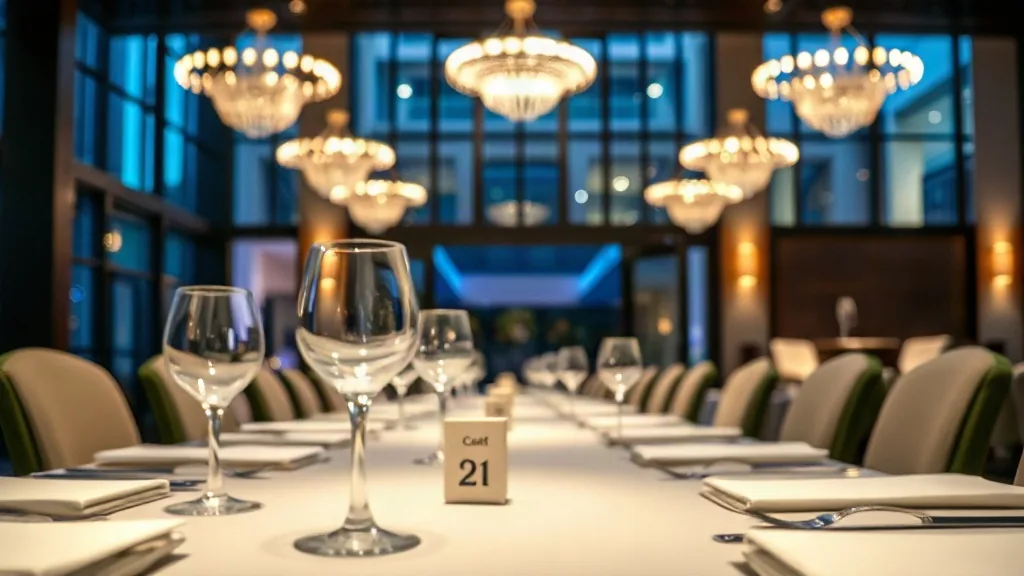
That is the move a lot of planners miss. The dinner plate makes reporting easy but not ethical. A buffet line in the demo room with tracked name badge swipes still counts as a meal, but it costs $18 a head instead of $110 and is clearly tied to the training function. When the speaker finishes the device demo and lunch arrives on the same cart, the purpose of the gathering is unambiguous.
Beverage is where I see the most accidental violations. A client assumes the per head rate includes fountain drinks and coffee, then discovers the hotel charges $9 for each can of soda. That add on runs $1,400 for a 150 person meeting. Ask for a flat beverage package for any program over four hours. A daily nonalcoholic beverage pass runs between $12 and $18 per person at most full service hotels. It beats the pay per can math every time.
Here is my blunt opinion on open bar decisions. A lot of pharma clients tell me they will never allow alcohol, full stop. If your marketing manager says that, push back gently because a zero alcohol policy is often more compliance sensitive than precise limits. A single glass of wine with a tracked dinner is easier to report than a dry event where three sales reps secretly expense a bar tab and leave no record. I always ask compliance if a dry event is a policy preference or if a limited pour is acceptable. The answer dictates whether I spend my whole afternoon policing the bar or just double-checking the tab.
I protect the cap by building a daily report template that tracks every single cost against the aggregate. The report includes the attendee name, the meal function, the date and the calculated fair market value per person. For a 60 person advisory board with breakfast, breaks and lunch, the per person aggregate across a day typically lands between $140 and $220. If your finger on the scale goes over $250, review time gets louder and the open payments submission becomes a monthly chore instead of a quarterly calendar item.
Bringing compliance into the room for the site survey
Bring the compliance officer on the site visit. Not a representative, the actual person who signs off on aggregate reporting. I have done this three times and it always changes what I book.
In Orlando, the compliance lead walked the room and asked where the buffet line would physically sit. She wanted to verify that attendees crossed a room threshold to get food rather than having food passed directly to them at their seats. Her reasoning: a served plated meal is structurally more likely to be viewed as an individual benefit. A central buffet where everyone walks through the same line is indistinguishable from a generic office lunch. Whatever the merits of that reading, it made a practical difference because the venue quoted a plated lunch at $95 and a buffet at $76 a head.
She also asked about that exact contract tactic where a smaller local venue in an area might have a lower F&B minimum because the per plate cost is inherently lower. I used an internal example of discounted banquet pricing in a lower cost area such as the Superior Wisconsin waterfront venues or a regional site like Burley Idaho, where the hotel’s base rate for a chicken plate sits around $45. That structure means a program of the same production quality and same tracked attendance meets your cap while giving the venue its required minimum without a dinner invent. I have also seen similar savings in Oak Ridge Tennessee and Anaheim California, where the per head banquet cost drops further when you avoid peak season.
The lesson that worked best: book the venue, then book the food structure. Every venue contract I sign has a line in the exhibit that food and beverage costs are subject to client compliance approval at 30 days before the event. That is my escape hatch. If the compliance team reads a menu and hates the per head cost, I can revise the menu without voiding the room contract. Without that clause, you are locked into a food minimum you cannot move.
Now, tell me your event type and target headcount. If you have a date that is flexible and a city in mind, I can tell you which venue negotiations will hurt and which will be easy. What is your timeline and approximate program length?