
Green rooms and speaker-ready rooms: the venue extras worth asking for
A speaker who cannot test their deck or find a quiet room before going on stage is a speaker about to have a bad time. Here is which back-of-house rooms to ask for, what they should contain, and what they cost.
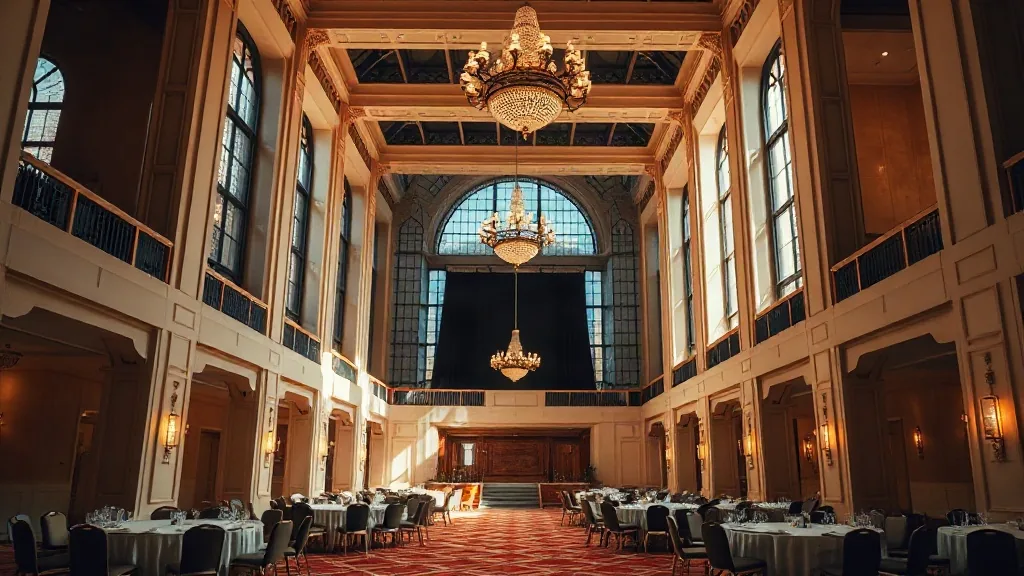
A keynote speaker I booked for a 400-person client conference showed up 40 minutes before his slot wanting to test his deck and swap two slides. There was no room for him to do it. The only quiet space was a supply closet, and the only screen was the one on the main stage in front of the arriving audience. He rehearsed his changes in a hallway on his phone, went on stage cold, and hit a font-rendering bug live because nobody had tested his file on the house system. That whole mess cost me nothing to prevent and a lot of credibility to survive.
Green rooms and speaker-ready rooms are the back-of-house extras that separate a smooth stage program from an on-air scramble, and most venues have the space if you ask for it in the contract.
The two rooms do two different jobs
People use the terms loosely, so let me split them. A green room is a comfortable holding space where speakers wait, decompress, and get themselves together before and after they go on. A speaker-ready room is a working space with a computer, a screen, and ideally a tech, where speakers load and test their presentations on the same system the stage runs.
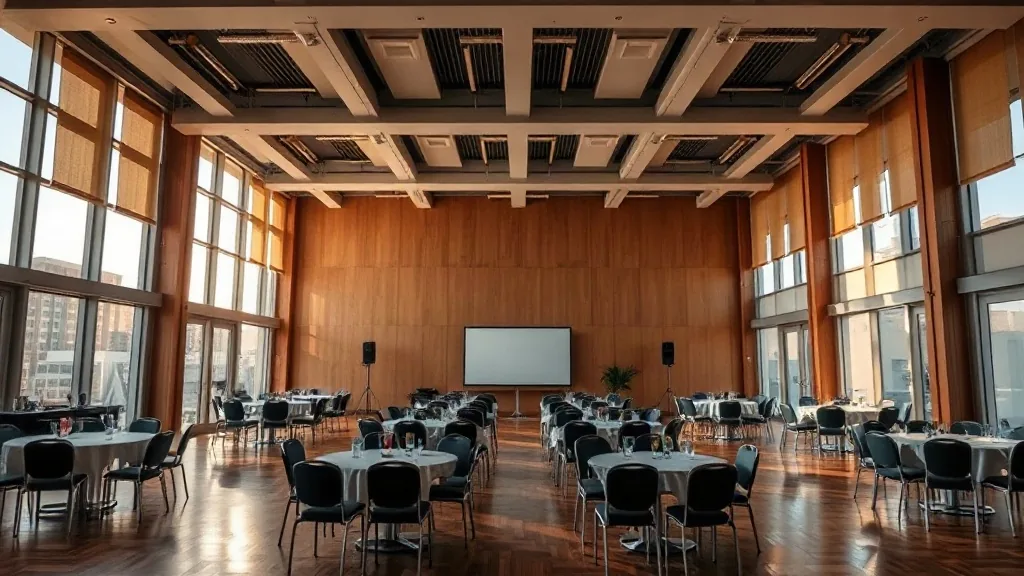
They are not the same room and they should not be. The green room is about the speaker’s head. The speaker-ready room is about the speaker’s file. A conference with real stage content needs both, because a calm speaker with an untested deck still bombs, and a tested deck delivered by a frazzled speaker still underperforms.
What a speaker-ready room actually needs
This is the room that saves you from the font bug. It needs a computer that matches the stage setup, the same version of the presentation software the house is running, a screen at the stage’s aspect ratio, and a way to load files, whether that is a shared drive, a USB station, or a network folder. Ideally a tech sits in it during load-in and the morning, so speakers hand over files, watch them render correctly, and fix problems where it is quiet instead of live.
The aspect ratio catch is the one that bites. If the stage runs 16:9 and the speaker built in 4:3, their slides either letterbox or crop, and they find out on stage unless they found out in the speaker-ready room first. I put the aspect ratio in the run-of-show document and require every speaker to test in the ready room before their slot, which turns a live surprise into a caught-and-fixed non-event.
What a green room needs
The green room is simpler and cheaper. Comfortable seating, water and coffee, decent lighting, a mirror, a place to hang a jacket, and quiet. A power strip so people can charge. If the budget allows, a monitor showing the stage feed so a speaker waiting to go on can see where the current session is and time their entrance. That confidence monitor is a small ask that keeps the stage transitions clean, because the next speaker is watching and ready rather than being fetched from a hallway.
For a VIP keynote, the green room is also a courtesy that affects whether they come back. A keynote speaker booked without a bureau notices whether you treated them like a professional, and a real green room instead of a shared table in the back is part of that. The room costs the venue almost nothing and buys goodwill that outlasts the event.
What these rooms cost
Here is the money, because that is where I live. Most conference centers and full-service hotels have back-of-house or small meeting rooms they will assign as green and speaker-ready space, and in a full-day buyout they often throw them in at no added rental because the space would otherwise sit empty. Where they charge, a small breakout used as a green room runs the same as any breakout, roughly $250 to $800 a day depending on the market.
The real cost is the speaker-ready room’s AV: the computer, screen, and tech. Budget $500 to $1,500 for the day for the gear and the technician. That is cheap insurance against a keynote hitting a rendering bug in front of 400 people. I would cut almost any other line before I cut the speaker-ready tech, because that person prevents the one failure the whole room notices.
Ask for them in the contract, not on the day
The reason people end up rehearsing in supply closets is that they asked for the room the morning of, when everything is already assigned. These rooms have to be in the contract or the banquet event order so the venue holds the space and does not sell it as another breakout. I name both rooms specifically in the space list, with the speaker-ready room’s AV spelled out, so there is no morning-of scramble for a screen that was never ordered.
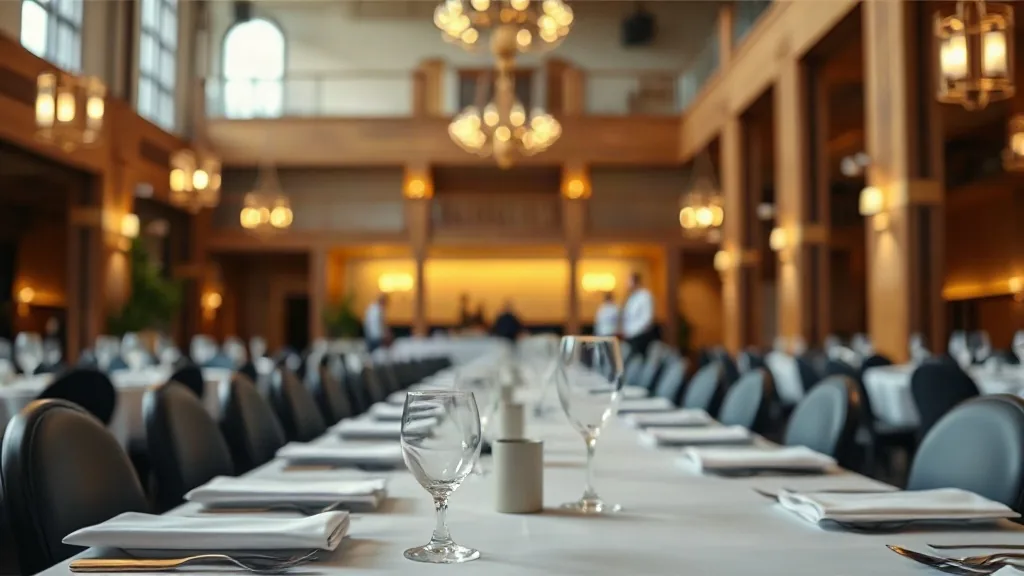
A hotel or resort with a big ballroom program usually has adjacent small rooms perfect for this, but they assign them to whoever books first. A theater or performing arts center is the one venue type where green rooms come standard, because they are built for performers, and if your event is stage-heavy those venues hand you real dressing rooms and a proper backstage at no extra ask. When I have a content-driven conference, a theater’s built-in back-of-house is worth real money in convenience.
The rooms are also your contingency
Back-of-house space is where you solve the day’s problems out of sight. When a speaker cancels and I have to shuffle the running order, the green room is where I brief the replacement without the audience watching me improvise. The no-show speaker playbook depends on having a private room to regroup in, because managing a stage crisis in front of the audience is how a small problem becomes a visible one. These rooms are quiet insurance for exactly the moment the plan breaks.
Size the rooms to the program
The number of back-of-house rooms scales with how many speakers overlap. A single-track conference with one speaker on stage at a time needs one green room and one speaker-ready room, because presenters cycle through in sequence. A multi-track event with four concurrent breakouts can have eight speakers prepping at once, and one small green room becomes a crowded holding pen where a nervous keynote is sharing a couch with three breakout leaders swapping small talk. For a heavy program I ask for a larger green room or a second one, and I keep the keynote’s prep separate from the breakout crowd.
The speaker-ready room scales differently. One is usually enough even for a big program, because testing decks is a quick, staggered task, but the tech running it has to be there during the whole load-in and the first two hours, not just at the top of the day. A speaker with an 11am slot who shows up at 10:30 to test needs the room staffed then, not just at 7am. I write the tech’s hours to match the last speaker’s prep window, so the room that caught the font bug for the keynote is still open when the afternoon presenter needs it.
So before you finalize the space list, tell me about your program. How many speakers do you have, how much of the day is stage content versus discussion, and are your presenters testing their own decks or handing them off? Give me those and I will tell you whether you need one back-of-house room or two, and what to write into the contract to get them.


