
Hiring an event photographer who delivers usable brand assets
A photographer can shoot a beautiful gallery of 800 images and still hand you nothing the marketing team can use. The gap is the brief and the usage rights. Here is how I hire so the recap deck, the next invite, and the website all get fed.
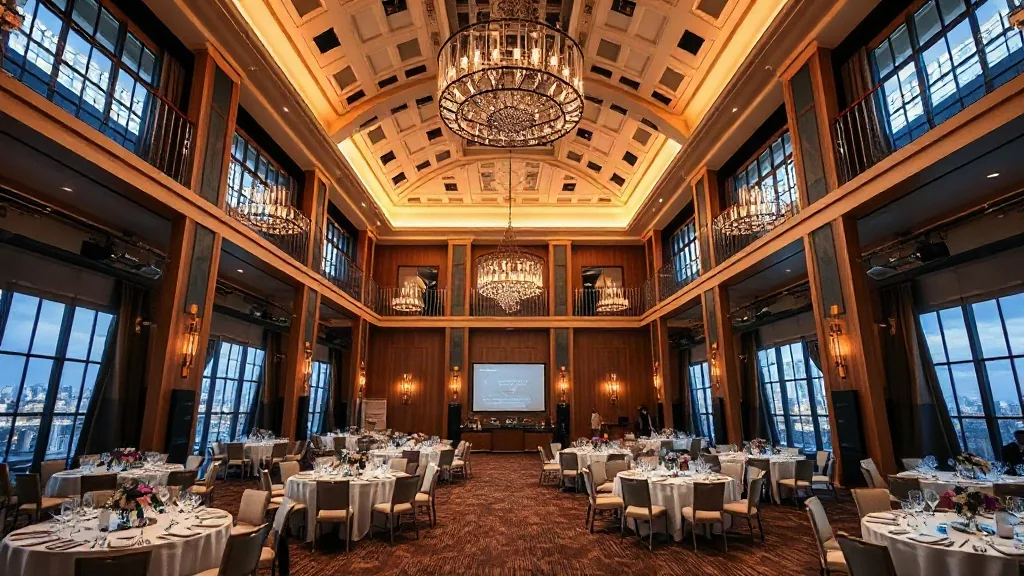
The gallery came back gorgeous. 840 images from a national association’s annual convening in DC, tack-sharp, beautifully lit, and about 30 of them usable for what the organization actually needed. The communications director wanted horizontal shots with clean space for text, faces of named board members, wide room shots that proved the event was full, and clear images of the sponsor signage. What she got was 840 artistic frames, most of them vertical, most of them tight crops, almost none composed for a headline or a sponsor recap. The photographer did excellent work. He just wasn’t shooting the assignment, because nobody gave him one.
Corporate event photography is not wedding photography, and hiring for it as if it were is the mistake that leaves marketing empty-handed. You’re not buying a pretty gallery. You’re buying assets the organization uses for a year: the recap deck to the board, next year’s registration page, the sponsor thank-you report, the social posts, the website refresh. Whether you get those depends almost entirely on the brief and the contract, not on how talented the photographer is.
Decide what the images are for before you hire
I start by asking the internal stakeholders one question: where will these photos live? The answers shape everything.
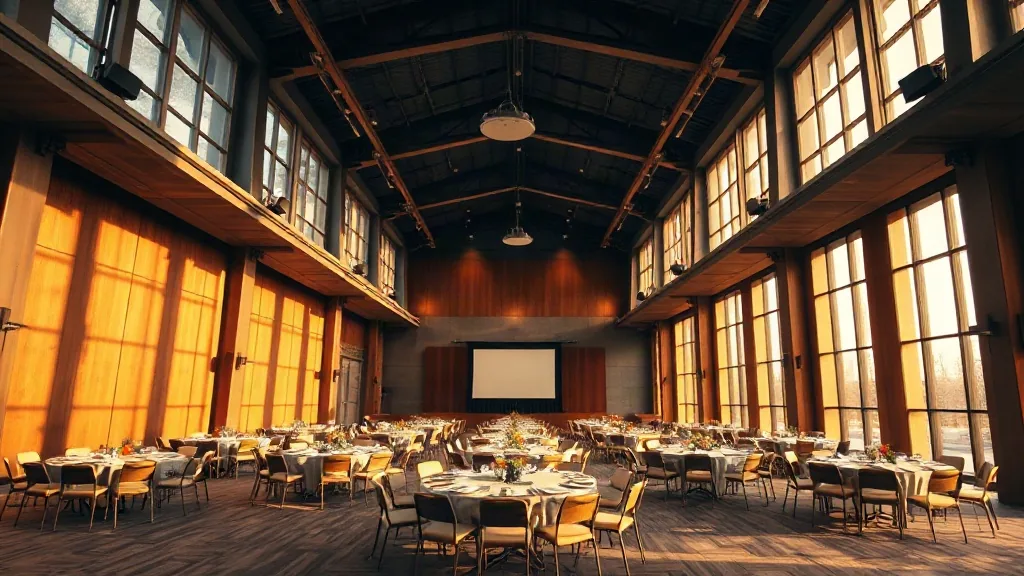
The board recap needs wide shots that show a full room and clear images of the leadership on stage. Next year’s invite needs horizontal hero images with negative space where the headline and date will go. The sponsor report needs every sponsor’s logo, signage, and activation captured clearly, because that’s a contractual deliverable to the people who funded the event. Social needs a mix of verticals and candids. The website needs a small set of polished, on-brand hero frames.
Those are five different shot requirements, and a photographer who doesn’t know they exist will default to the gallery aesthetic and miss most of them. Write them down. The shot list is the single most valuable thing you hand a photographer, and it’s the thing most planners skip.
The shot list that produces usable assets
Here’s the structure I give every event photographer, adapted to the event:
- Room-full proof. Wide shots from the back and the balcony showing a packed room, taken during peak attendance, not during setup or the coffee lull.
- Named people. A specific list of who must be photographed clearly: the CEO, the board chair, keynote speakers, award winners. With names and a quick description or a badge photo so the photographer can find them.
- Horizontal hero frames with copy space. Explicitly ask for wide compositions with clean areas for text. This is the shot the marketing team reuses most and the one photographers under-shoot.
- Sponsor and signage. Every sponsor logo, banner, and branded moment, shot clean. On an event with sponsors this is not optional; it’s what you owe them.
- Details and candids. The registration moment, the networking, the plated detail, the handshake. These carry the recap’s texture.
I share this in a pre-event call, not an email dump. Fifteen minutes on the phone walking the photographer through the run of show and the priority shots does more than any contract clause. My longer version of this conversation is in how to hire an event photographer who works corporate.
Usage rights are the part that bites later
A beautiful photo you can’t legally use is worthless. Event photographers often default to a license, not a transfer, which means you can use the images for the stated purpose and nothing else. Then two years later marketing wants a shot for a paid ad campaign and discovers they don’t have the rights.
I negotiate for a full commercial buyout with unlimited internal and marketing use, in perpetuity, at the time of hire. It costs more than a limited license, and it’s worth it for an organization that will reuse the assets. Get it in writing: who owns the images, what the organization can do with them, whether they can be edited and cropped, and whether the photographer retains any restriction. Also confirm model-release handling for identifiable attendees, because a photo of a named board member in a public-facing ad without a release is a problem.
The rights conversation is where the real cost lives, and it’s why the format-and-usage question drives the quote more than the hours do. I price mine against what I pay for event photography by format so I know whether a buyout premium is fair or padded.
Match the shooter to the venue and the light
The room shapes who I hire. A dim gala ballroom needs a photographer comfortable with flash and low light who won’t hand me a gallery of grainy, motion-blurred frames. A historic mansion with mixed lighting and tight rooms needs someone who works fast in confined spaces. A daytime program at a museum with big windows is a different lighting problem, often easier, but with reflection and permission constraints on what can be shot near the collection. A blank event venue is a clean slate where the photographer relies entirely on the event lighting you brought, so the two of you need to talk before the event.
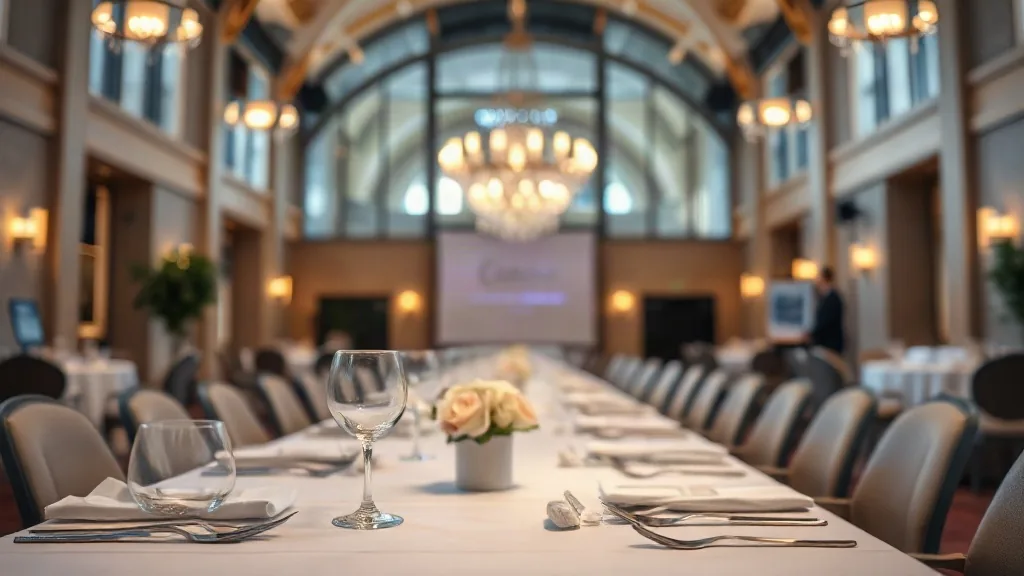
I ask to see a photographer’s work from a room like mine, not just their best portfolio. Anyone can shoot a sunny outdoor event. I want to see a dim awards dinner they nailed.
Deliverables and timeline in the contract
The other place photography goes sideways is delivery. I specify in writing: number of edited final images (a real number, like 150 to 250 selects, not “a gallery”), the turnaround (I want 30 to 50 preview images within 48 hours for immediate social and press use, full delivery within two weeks), file formats and resolution, and delivery method. The 48-hour preview set matters because the recap’s news value decays fast; a convening’s photos are most useful the week after, not a month later.
I also budget realistically. The cheapest photographer is rarely the right call for brand assets, but the most expensive isn’t automatically better either. The trap I avoid is the one in don’t pay for the photographer, where the spend goes to hours and prestige instead of to the deliverables that actually get used.
The photographer is shooting for the year, not the night
The frame I keep is this: I’m not hiring someone to document an evening. I’m commissioning the visual assets the organization runs on until the next convening. When I hire that way, with a shot list, a usage buyout, and a matched skill set, the marketing team gets fed for twelve months. When I hire for a pretty gallery, they get 840 images and 30 they can use.
So before you sign a photographer: where will these images live, who must be photographed by name, and do you need full commercial rights or a limited license? Tell me those three and I’ll help you write a brief that comes back usable.


