
How biotech companies plan an FDA advisory-committee prep offsite
An advisory-committee mock panel needs a room nobody can overhear and a screen big enough for real slides. Here is how I book the space, lock the confidentiality, and keep a two-day prep drill from leaking or falling apart.
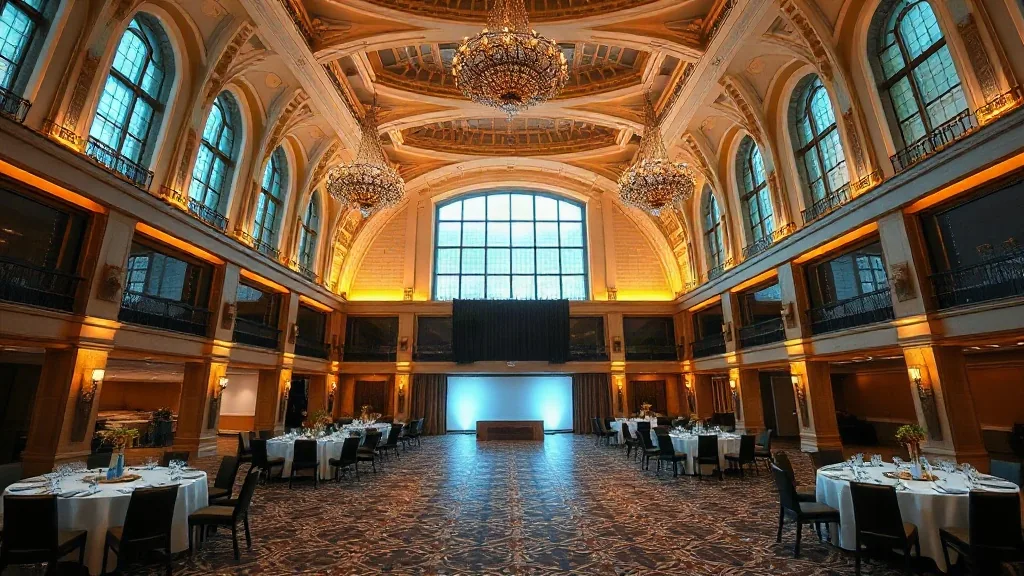
The client’s regulatory lead called me on a Thursday and said the AdCom hearing was 41 days out. They needed two full days of mock-panel drills, 22 people in the room, and a hard rule that not one syllable of the clinical data could travel past the door. Budget was open. What was not open was the risk of a leak. That call is the whole job in one sentence.
An FDA advisory-committee prep offsite is not a normal meeting. You are rehearsing a public hearing that can move a stock price, so the venue has to do two things a hotel ballroom rarely does well at once. It has to hold a formal panel setup with real presentation gear, and it has to be private enough that a competitor’s consultant sitting in the lobby learns nothing.
Start with the room shape, not the room count
The mistake I see first-time pharma planners make is booking by headcount. They ask for a room that holds 25 and get a square box with a screen on one wall. A mock AdCom needs a specific geography. You want the committee table facing the sponsor’s presenting team, a separate observer bank behind the sponsor, and a podium the presenter actually walks to. That is three zones, not one.
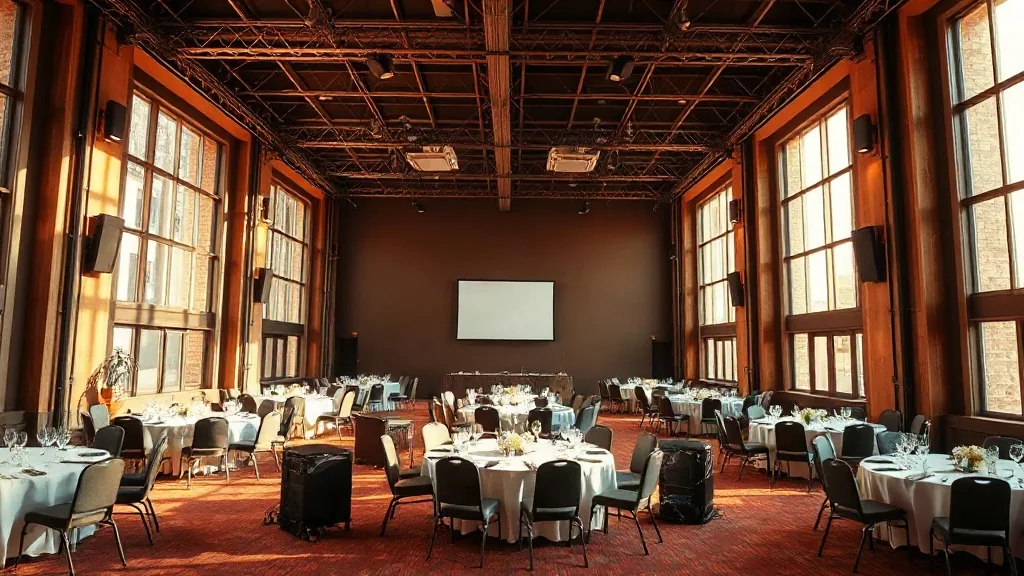
For a 22-person drill I ask for a room rated at 60 to 80 banquet, then set it in a hollow square or a shallow U with a podium at the open end. The extra square footage buys you the second screen and the confidence monitor the presenter needs to see their own timer. A room sold as “seats 22 theater” will be too tight the moment you add a camera and a comfort monitor.
Confidentiality is a contract line, not a vibe
Every venue will tell you they are discreet. That word is worth nothing. What I put in writing:
- A signed venue-level NDA covering banquet, AV, and housekeeping staff who enter the room.
- No cleaning or turnover service during session hours. The room is ours from load-in to load-out, staff knock and wait.
- Sole occupancy of the meeting floor or wing for both days, so no unrelated group shares the corridor.
- A written promise that the room name will not appear on any public reader board or digital sign. We use a code name.
At a historic mansion or a private-wing conference property this is easy because the whole footprint is often single-group. At a big convention hotel you have to fight for it, and the fight is worth having before you sign.
The AV load is heavier than the agenda suggests
A mock panel looks like people talking. Under the surface it runs like a small broadcast. The presenting team wants their deck to look exactly as it will in the hearing room, which means dual screens, a presenter timer, and slide advance that works from the podium and the table both. Then the coaching team wants the whole thing recorded so they can play back a fumbled answer that night.
My standard rig for a two-day drill: two 16-foot screens or large LED walls, a confidence monitor at the podium, six to eight wired table mics on a mix so the recording is clean, one roaming mic for the observer questions, and a locked local recording. Local. Not a cloud service that pushes files to a server I cannot see. The recording of unreleased clinical data has to stay on a drive the client physically takes home.
Budget that at $8,000 to $14,000 for the two days if you bring an outside AV team, less if the venue’s in-house shop is competent and you trust them. I usually bring my own operator for exactly this kind of event, because the confidentiality chain matters more than the rate card. If you want the wider argument on that tradeoff, I lean the way Tomas lays out in-house versus outside AV.
Catering that does not interrupt the drill
The panel runs in blocks. A mock Q&A block can go 90 minutes, and you do not want a server walking through the middle of it with a coffee refill. I set catering to hard breaks only. Full breakfast before the first block, a plated or pre-set lunch that lands in a separate room so nobody debriefs over a buffet line, and stationed coffee that gets refreshed only during scheduled breaks with the door closed.
Tell the banquet captain the schedule is the boss, not the clock. On a data-sensitive event the fewer staff entries into the room, the better. I would rather the coffee go lukewarm than have a stranger walk past a slide showing a p-value.
The 41-day timeline, roughly
- Days 41 to 35: lock venue, sign the NDA and sole-occupancy terms, confirm the room can hold the three-zone setup.
- Days 34 to 21: AV design finalized, screens and mic count set, recording method confirmed as local.
- Days 20 to 10: rooming list for out-of-town panelists, catering set to hard-break schedule, code name assigned.
- Days 9 to 2: technical rehearsal, one full run of the deck on the actual screens, timer tested from the podium.
- Day before: the presenting team walks the empty room. Every one of them stands at the podium once.
That last step sounds soft. It is the single most useful hour of the whole booking. People rehearse better in a room they have already stood in.
Where I book these
I steer most AdCom prep to two venue types. A private conference center with a dedicated wing gives you the clean AV backbone and the single-group floor without much argument. A historic mansion with a modern meeting build-out gives you total privacy and a room that calms senior executives who are, understandably, tense. The trade is that mansions need more AV trucked in, so price the gear before you fall in love with the address.
I avoid open-plan hotel meeting floors for this unless the property will sell me a whole self-contained section. The lobby-adjacent breakout room is where confidentiality goes to die. If you want the fuller privacy-first argument, the IP-paranoia edition of the biotech offsite covers the venues I trust when the data is the whole ballgame, and the advisory-board meeting playbook has the panel-room mechanics in more depth.
The number that decides everything
Before I send a single venue inquiry I ask the regulatory lead one question: how many people, and how many of them are external. A 12-person all-internal drill and a 30-person drill with outside KOLs and consultants are different bookings, different NDAs, different room shapes.
So tell me the count, the number of outside voices in the room, and the date of the hearing. With those three facts I can tell you within an hour whether you want a mansion, a private conference wing, or a self-contained hotel block, and what the confidentiality terms need to say before anyone signs.


