How to Book a Conference Center for a Corporate Event
Conference centers are purpose-built for multi-day corporate meetings, but the differences between a standalone conference center and a hotel conference facility are substantial. This guide covers AV infrastructure, exclusive caterer rules, room setup options, and how to write an RFP that gets you an accurate quote.

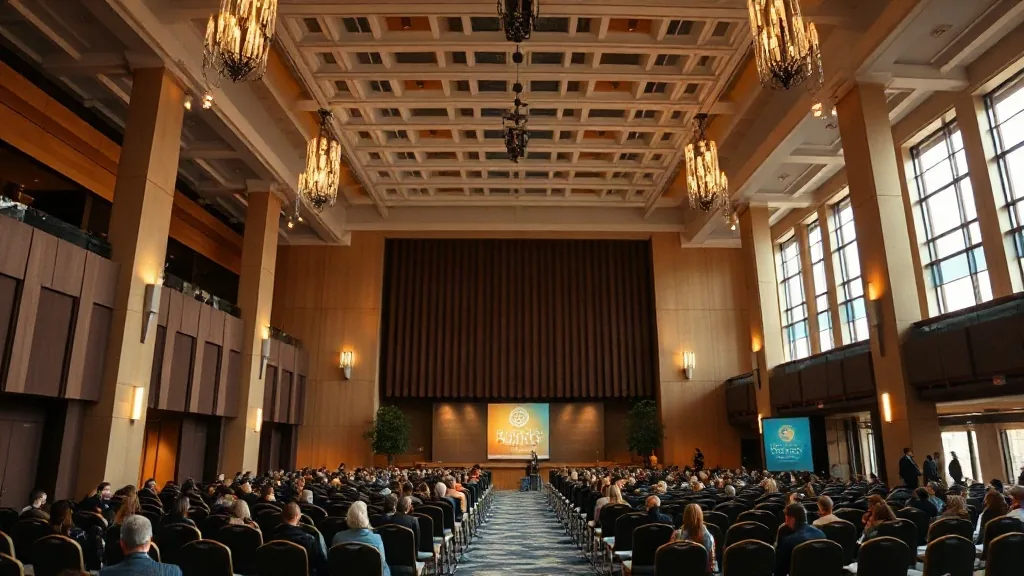
I spent six years as an AV vendor working conference centers and hotels before I moved to the planning side, and the infrastructure difference between a purpose-built conference center and a hotel’s “conference facilities” is not subtle. Hotels add meeting space to sell room nights; conference centers exist to run meetings. That shapes everything: the ceiling height, the rigging points, the sound system, the breakout room configuration, and the catering operation.
Purpose-built vs hotel conference facility
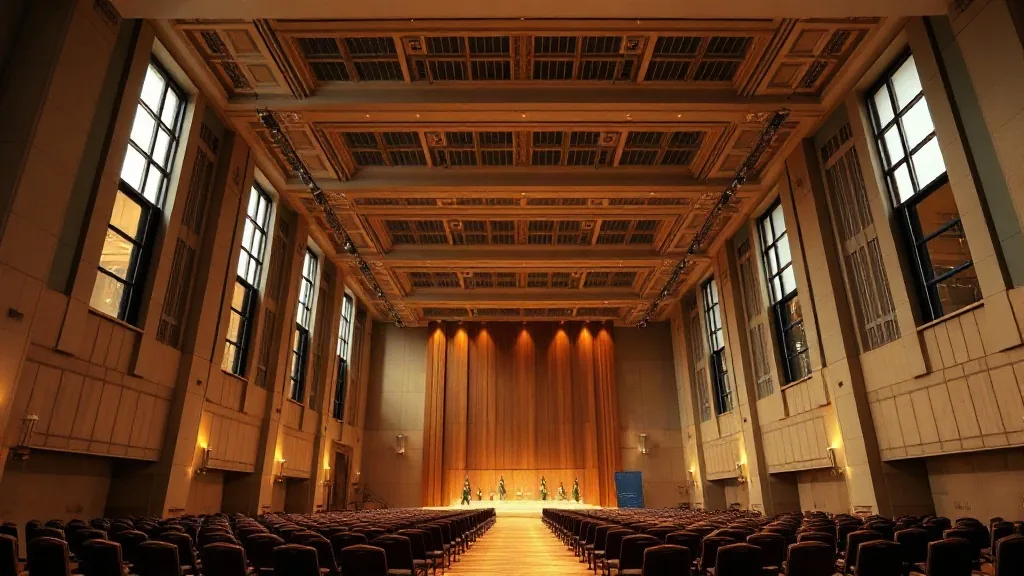
A purpose-built conference center was designed from the floor plan up for multi-day educational and business events. Characteristics you’ll find in a real conference center but often not in a hotel:
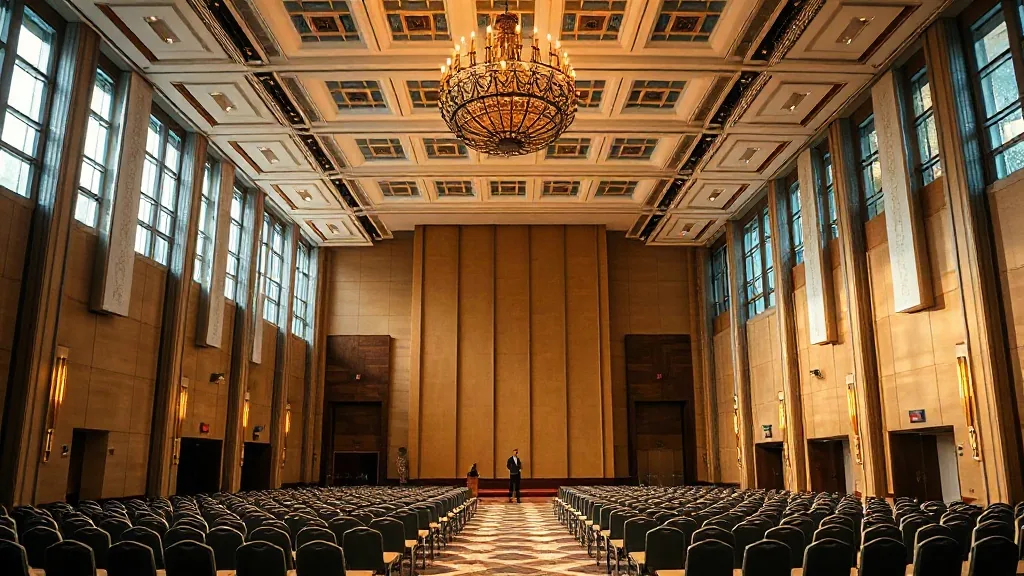
- Ceiling heights of 16 to 22 feet in the general session space (hotels often have 10 to 14 feet)
- Permanent rigging points rated for 2,000 to 5,000 pounds (hotels may have none or limited rigging)
- Daylight-blocking window systems engineered into the room (not just blackout curtains added later)
- Multiple fixed breakout rooms with their own AV and sound systems
- Dedicated production offices adjacent to the general session space
- Loading dock sized for production trucks, not just catering carts
A hotel conference facility is often a large ballroom that can be divided by air walls into smaller spaces. The ceiling is lower, the rigging is limited or absent, and the AV is typically subcontracted to a third-party vendor that marks it up 40 to 80 percent over market rates.
If your event has meaningful production requirements (large-format projection, stage lighting, live-stream, multiple screen configurations), a purpose-built conference center will almost always be more functional and, surprisingly, often less expensive after you price out the AV vendor fees a hotel requires.
AV infrastructure standards to ask about
Before your site visit, request the venue’s technical specifications document. A serious conference center has one. It should include:
- Screen size and resolution in the general session room
- Projector throw ratio and lumen output
- Sound system type (line array vs point source) and coverage zones
- Rigging points (locations, weight ratings)
- Available network infrastructure (bandwidth, dedicated event VLAN capability)
- Power availability on the general session floor (outlets per linear foot of stage)
If the venue can’t provide this document, the AV infrastructure is either inadequate or undocumented. Either way, you’ll be bringing in a third-party AV company and paying for a full rig.
A well-equipped conference center should provide a 20-foot or larger screen, at least 10,000 lumens of projector output for a 300-person general session, a distributed audio system covering the full room without dead zones, and network access of at least 100Mbps dedicated to events. These are base standards, not premium features.
Exclusive caterer rules
Conference centers typically operate with either an in-house catering operation or an exclusive outside caterer. Unlike hotels, which run their own food and beverage department as a revenue center, conference centers often partner with a catering company that operates on-site exclusively.
The practical difference: you can’t bring your own caterer. You work within the conference center’s catering program. This can be an advantage (they know the space, the delivery logistics, and the setup constraints) or a disadvantage (limited menu flexibility, no competitive bidding).
Ask for the catering company’s sample menus and pricing before your site visit. Some conference center caterers have excellent food programs; others are serving institutional-quality buffets at premium prices because they have no competition. Evaluate the food separately from the venue.
For multi-day events, ask about the conference package pricing: a per-person-per-day rate that bundles room rental, A/V, morning and afternoon breaks, and lunch. These packages often start at $95 to $175 per person per day and represent good value if the AV and catering quality are acceptable.
Room setup options and terminology
Conference centers use standard room setup terminology that determines how many guests fit:
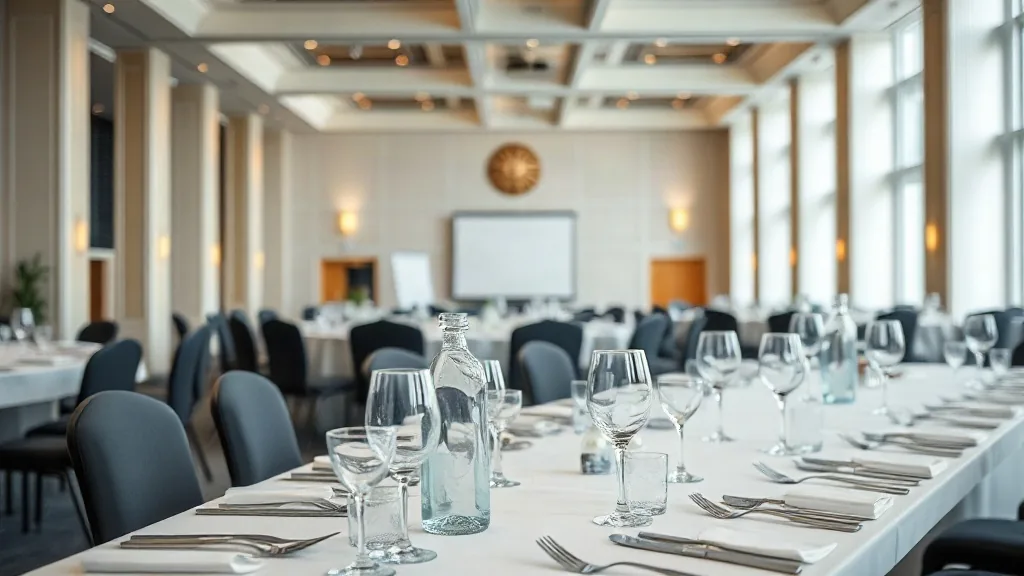
- Theater: rows of chairs facing a stage. Highest density. Use for general sessions. Expect 10 to 12 square feet per person.
- Classroom: rows of tables with chairs facing a stage. Lower density, more work surface. Expect 15 to 18 square feet per person.
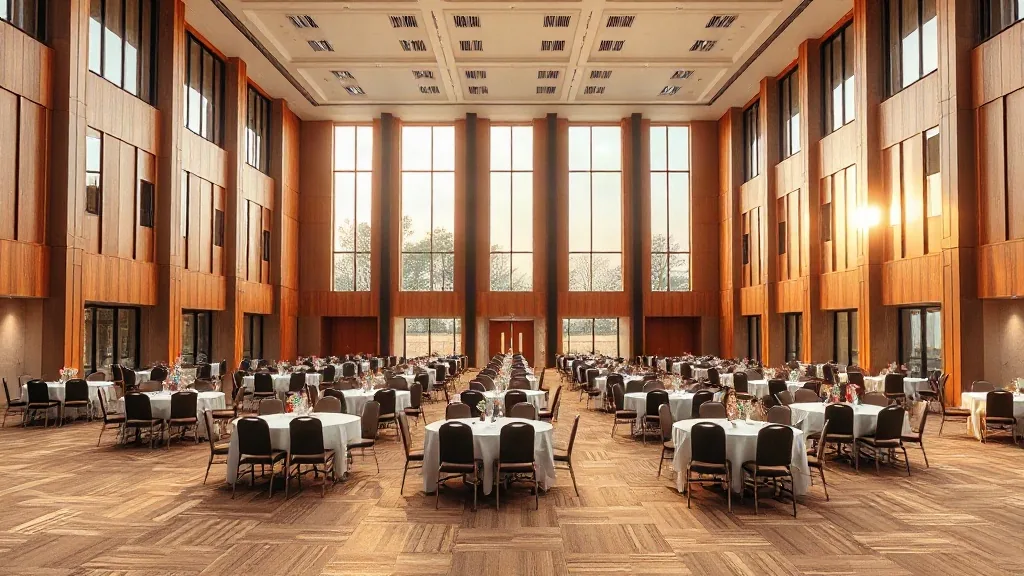
- Cabaret: round tables, seats on 3/4 of the table facing a stage. Good for mixed session/dining format. Expect 20 to 25 square feet per person.
- Boardroom: single table, all seats around it. For 10 to 30 people maximum in most rooms.
- U-shape: tables in a U configuration. Good for interactive workshops up to 30 people.
When a venue quotes capacity, ask which setup they’re using. A room that seats 300 in theater seats 180 in classroom and 150 in cabaret. Don’t discover this after you’ve told your attendees the room can hold your group.
How to write an RFP for a conference center
A conference center RFP should specify:
- Event dates (including setup day and breakdown day separately)
- Number of general session attendees, peak vs average
- General session format (theater, classroom, cabaret)
- Number of breakout rooms needed and peak simultaneous headcount in each
- AV requirements: screens, microphones, recording, livestream, internet
- Catering format for each meal function (breakfast, lunch, dinner, breaks)
- Overnight room requirement if the facility includes a hotel or hotel partnership
- Any special setup requirements (registration area, speaker prep room, sponsor tables)
Send this to 3 to 5 conference centers and ask for a response within 10 business days. A facility that takes longer than 2 weeks to respond to a properly scoped RFP has an overloaded sales team or an undersized events operation.
Comparing purpose-built conference centers to hotel conference wings
The comparison comes up on almost every conference booking above 200 people. Here’s the honest assessment:
A purpose-built conference center typically wins on: room acoustics (designed for speech intelligibility), ceiling height for large-screen projection, blackout capability for presentations, dedicated loading dock for production equipment, and per-attendee AV cost when the house system is included.
A hotel conference wing typically wins on: convenience (attendees are sleeping where they’re meeting), existing room-block relationships (the room block funds the meeting space), food and beverage quality (hotel chefs often outperform dedicated conference center caterers), and name recognition (a “Ritz-Carlton conference” carries different weight than “the Hilton Head Conference Center”).
For events where production quality and AV infrastructure are the priority, purpose-built wins. For events where attendee experience and the hotel stay are integrated parts of the value proposition, the hotel wins. For events where budget is the primary driver and neither production quality nor hotel amenities is critical, purpose-built conference centers almost always win on price.
Browse conference centers available for corporate events by state and city, or compare to convention centers if your event is above 500 attendees and needs exhibit hall or trade show infrastructure.
For a format decision, Conference Center vs Resort for a Leadership Offsite covers the tradeoff directly. For AV scoping before you finalize the venue, How to Scope AV for a Conference gives you the pre-RFP brief that prevents a $30K surprise.
What’s your attendee count, number of days, and whether you need a general session with production lighting? Those three variables define which category of conference center you’re shopping.