How to Book a Country Club for a Corporate Event
Country clubs offer exceptional catering quality and a formal environment that works for board dinners, partner retreats, and client events, but access requires navigating member sponsorship requirements, dress code enforcement, and a pricing model that looks different from every other venue category.

Country clubs occupy a specific position in the corporate event venue landscape: they signal tradition, discretion, and institutional credibility in a way that a hotel cannot replicate. For law firm partner retreats, board dinners, pharmaceutical advisory boards, and senior executive events where the venue itself communicates something about the host organization, a country club works when other venue types don’t. The access requirements are real, but they’re navigable once you understand how the model works.
Member sponsorship requirements
Most private country clubs require that corporate events be sponsored by a member. The sponsoring member takes responsibility for the event, including guest conduct, compliance with club rules, and any damages. This is not a formality; it’s a structural requirement in the club’s governance.
If your company doesn’t have a member on staff or in your client roster, there are two paths. First, ask the club’s events coordinator directly: some clubs have a “corporate account” mechanism that bypasses the individual member requirement, especially for well-established companies with a history of booking the space. Second, identify whether any of your attendees (executives, board members, partners) hold memberships at the specific club or at reciprocal clubs in the same network.
Reciprocal club memberships are common among golf clubs in particular. A member of one club often has access and hosting privileges at other clubs in the same network. If your senior executive is a member of a club in a different city, ask whether they have reciprocal access at the club you want to book.
Categories of country club spaces
Country clubs typically offer multiple event spaces:
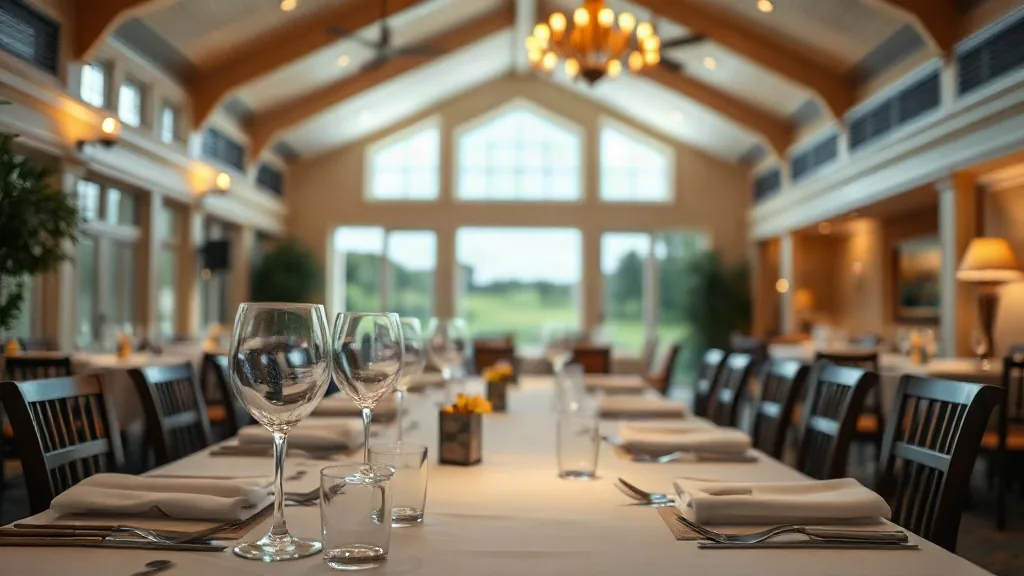
Dining rooms: The main formal dining room, usually the most prestigious space in the club. Best for seated dinners of 20 to 100. Often restricted to member-sponsored events.
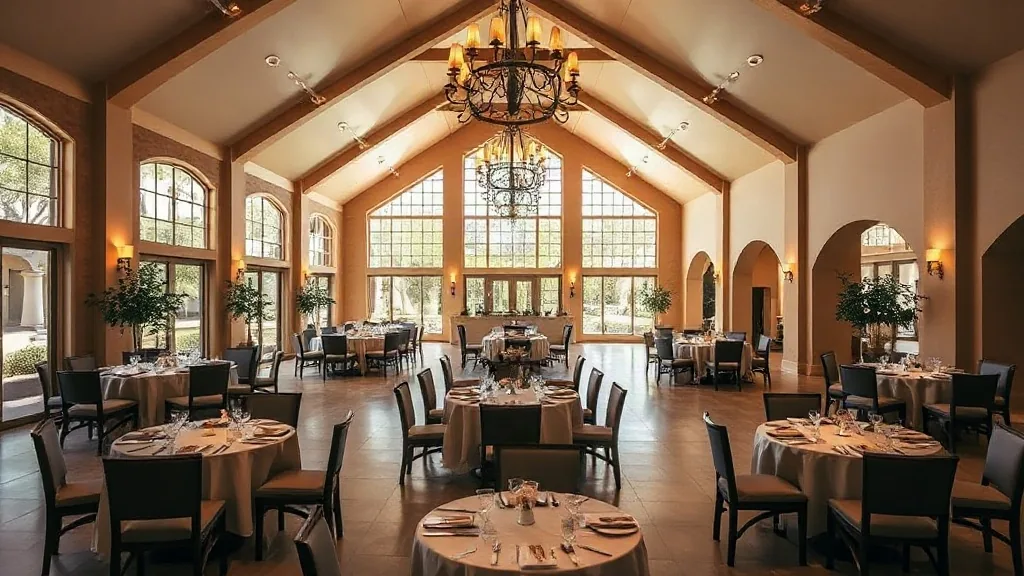
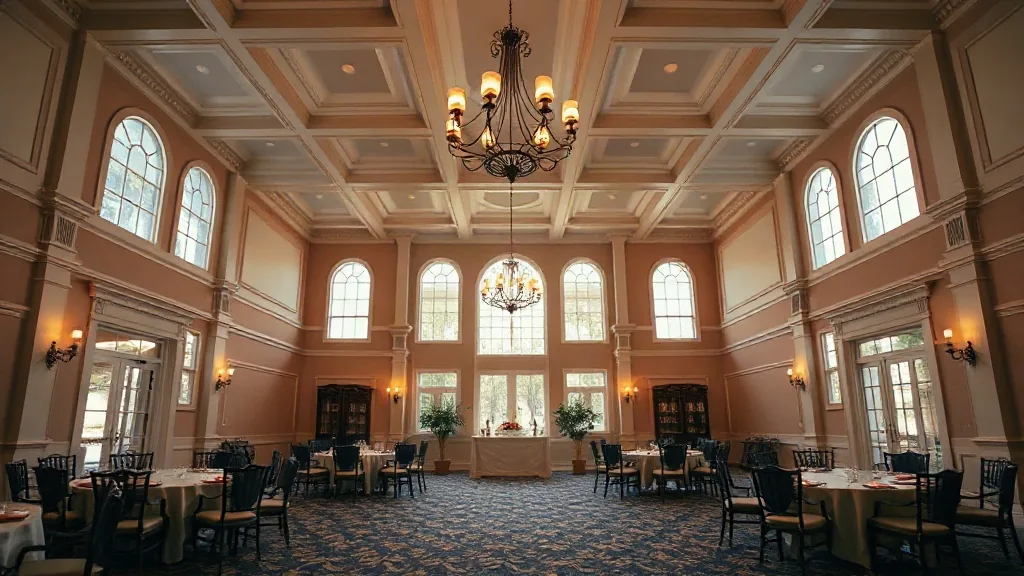
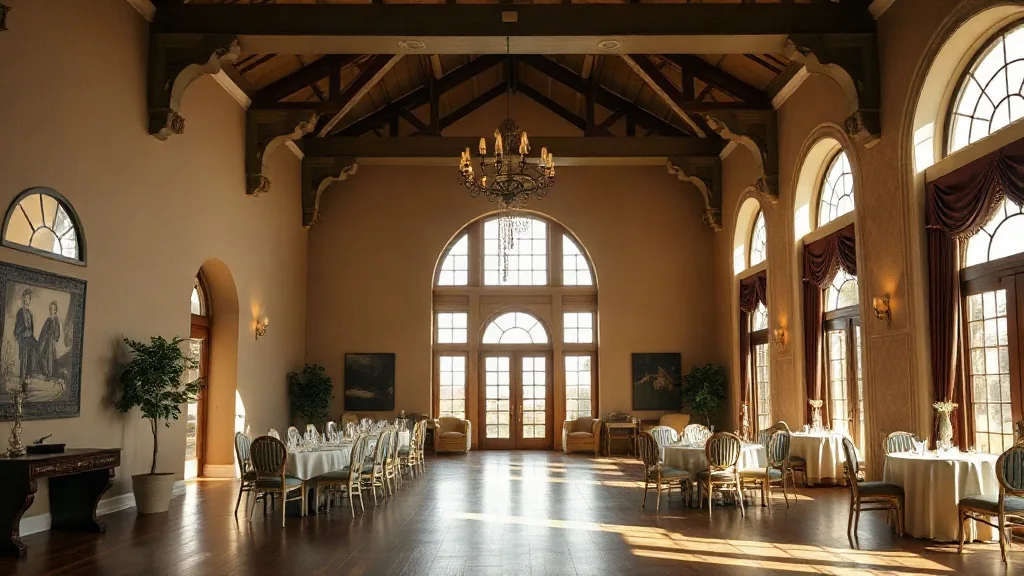
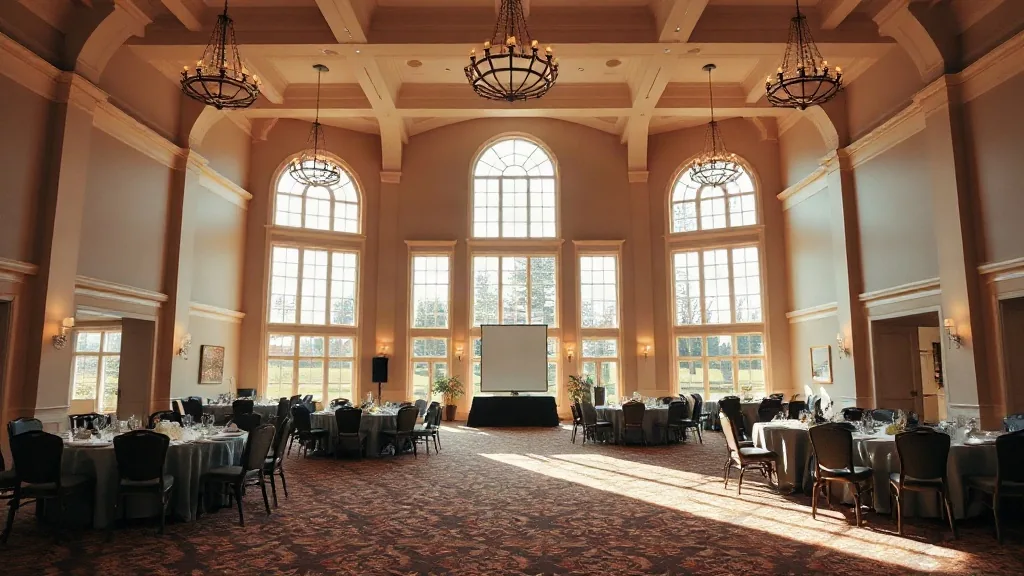
Ballroom or event hall: A dedicated event space built for parties and receptions. Holds 100 to 400 depending on the club. More accessible for corporate bookings.
Board room: A dedicated meeting space, often with audio-visual equipment. Typically seats 12 to 30.
Golf course facilities: The clubhouse, 19th hole bar, and terrace are often available for pre-event cocktails. Some clubs allow small events at their practice facility or a specific course hole for team-building programming.
For corporate purposes, the ballroom or event hall plus a cocktail space is the most common configuration. The formal dining room is the highest-prestige option but the most restricted.
Catering quality and the in-house model
Country club catering is typically excellent and always in-house. Clubs take their food program seriously because members who pay $5,000 to $50,000 per year in dues have high standards. The executive chef is usually a career hospitality professional with formal training.
You cannot bring in outside catering. You cannot bring your own wine or liquor in most clubs (corkage is occasionally allowed for specific wine at a fee). The club’s food and beverage operation is exclusive.
This is a genuine advantage. Country club catering at comparable price points outperforms hotel banquet catering in quality and service consistency. The servers are club employees who work the same room weekly, know the standards, and have a stake in the club’s reputation.
F&B minimums at country clubs for corporate events run $50 to $150 per person depending on the club tier and the function. For a seated dinner at a top-tier metropolitan club, expect $125 to $200 per person including the room and service.
Dress code enforcement
Country clubs enforce dress codes. For corporate events, the standard is business casual to business formal depending on the event type. Jeans, athletic wear, and t-shirts are not permitted in most clubhouses.
Communicate the dress code to attendees before the event. Clubs will turn guests away at the door or require them to change. Some clubs keep a rack of loaners (blazers, collared shirts) at the front desk, but you can’t rely on it for 200 guests.
If your company culture runs casual and your attendees are likely to arrive in jeans, a country club will create friction. The dress code enforcement is not negotiable and it’s not waived for corporate groups.
Golf access as a pre- or post-event activity
Many corporate bookings at country clubs include a morning or afternoon of golf before the dinner or reception. This is a genuine differentiator for executive events: a morning round followed by a private dinner in the clubhouse creates a full-day experience.
Golf access requires additional negotiation. You’re typically paying a per-player green fee ($50 to $250 per player depending on the club), cart fees, and any range or practice facility fees. If your event is scheduled on a weekend, tee times are constrained by member priority; mid-week golf is more accessible.
For events with 30 to 60 percent participation in golf, budget accordingly. A 100-person event where 40 play golf adds $3,000 to $10,000 in golf fees to the event budget.
Pricing and what’s included
Country club event pricing is typically quoted as a room rental fee plus F&B minimum, not an all-in package. The room rental covers the space; the F&B minimum must be reached through food and beverage spend.
Private dining rooms and ballrooms rent for $500 to $5,000 depending on the club and city tier, with F&B minimums of $5,000 to $30,000 for the same events. At top-tier metropolitan clubs, a 100-person dinner could require $20,000 in F&B spend to clear the minimum.
Ask whether the club has a corporate account rate or package, especially if you’re considering a recurring annual booking. Clubs that want long-term corporate relationships will offer better terms to recurring customers.
Recurring corporate bookings and club relationships
Country clubs that take corporate bookings regularly develop preferences for corporate clients who respect the club’s culture and rules. Being a good corporate client at a country club means: guests arrive appropriately dressed, the event runs on schedule, the bill is settled promptly, and the member sponsor isn’t embarrassed by anything that happened.
If your company does one or two country club events per year, identify a single club in your primary market and become a consistent client there. Ask the events manager directly: what does a good corporate client look like to you? The answer tells you exactly what to do.
The relationship payoff: priority date availability before the calendar opens to new bookings, better server teams assigned to your events, menu flexibility that first-time clients don’t receive, and an events manager who advocates for your booking internally when conflicts arise.
Some clubs have formal corporate accounts that track your company’s event history and give you a dedicated contact. Others handle it informally through the events team. Either way, the same principle applies: consistency and respect for the club’s norms builds a relationship that saves you money and aggravation over time.
Browse country clubs available for corporate events by state and city, or compare to historic mansions for a similarly formal and exclusive event environment without the member-sponsorship requirement.
For understanding the format decision between a country club and a more informal setting, Winery vs Country Club for a Board Retreat covers the tone difference directly. For law firm partner events specifically, The Law Partner Controlling the Firm Retreat covers the hierarchy and privacy requirements.
What’s your relationship to a potential member sponsor and your approximate headcount? Those two factors determine which path to access makes sense.