Winery vs Country Club for a Board Retreat: the Tone Difference That Matters
Country clubs signal governance and institutional tradition. Wineries signal informality and creative thinking. The right choice follows your board's composition and your agenda's goals.

I’ve watched a board choose a Napa winery for a retreat because the CEO thought it signaled innovation. Three of the seven board members didn’t drink. One had been on the board for 22 years and felt like the venue was chosen to send a message about his generation. The retreat produced no meaningful decisions.
Tone matters more at a board retreat than at almost any other corporate event. Here’s how to read it correctly.
What Country Clubs Signal
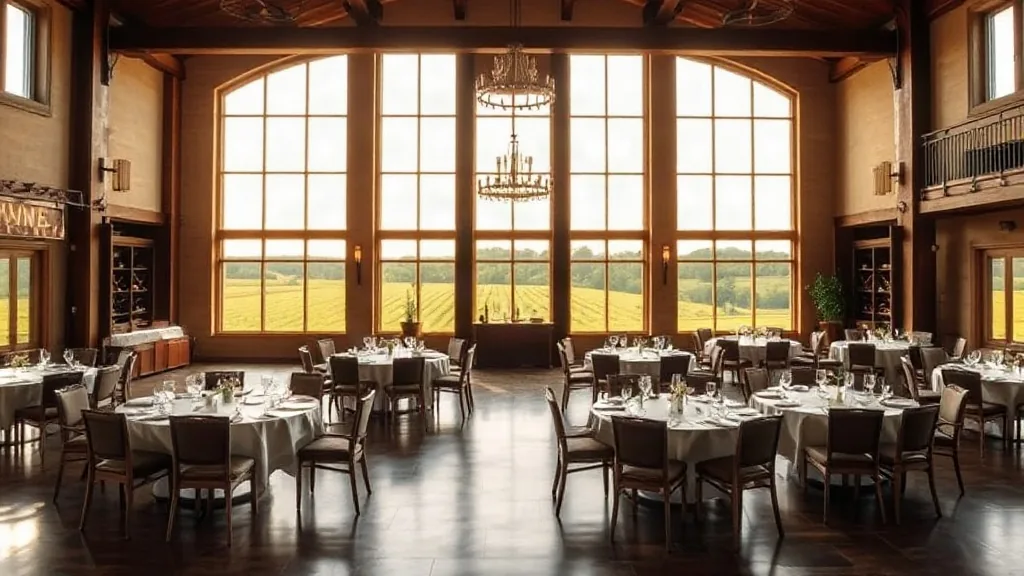
A private country club signals that the board is conducting serious institutional business. The formality of the setting, the staff-to-guest ratios (typically 1:4 or better at private clubs), the dining room where someone has been sitting for decades, and the architecture that reads as permanent rather than hip: all of it tells board members that the environment respects their role.
For a board of a financial institution, a law firm, a healthcare system, or any regulated entity where governance optics matter, the country club is the right read. The venue won’t generate a news story if photographed. It won’t raise questions about whether the retreat cost was appropriate. It sits inside institutional norms for what a board retreat looks like.
Country clubs also solve the logistics problem for board retreats by having everything: private dining rooms (typically 12-40 person capacity), golf or tennis for optional recreation, overnight lodging at some properties, and F&B at a quality level that board members who regularly dine at fine restaurants won’t find disappointing.
The cost: a full-day board retreat at a private country club for 12-20 people runs $4,000-$9,000 in venue and F&B, depending on the club’s minimum and the menu selection. Membership sponsorship may be required at some clubs; an active member of the board or executive team usually handles this without difficulty.
What Wineries Signal
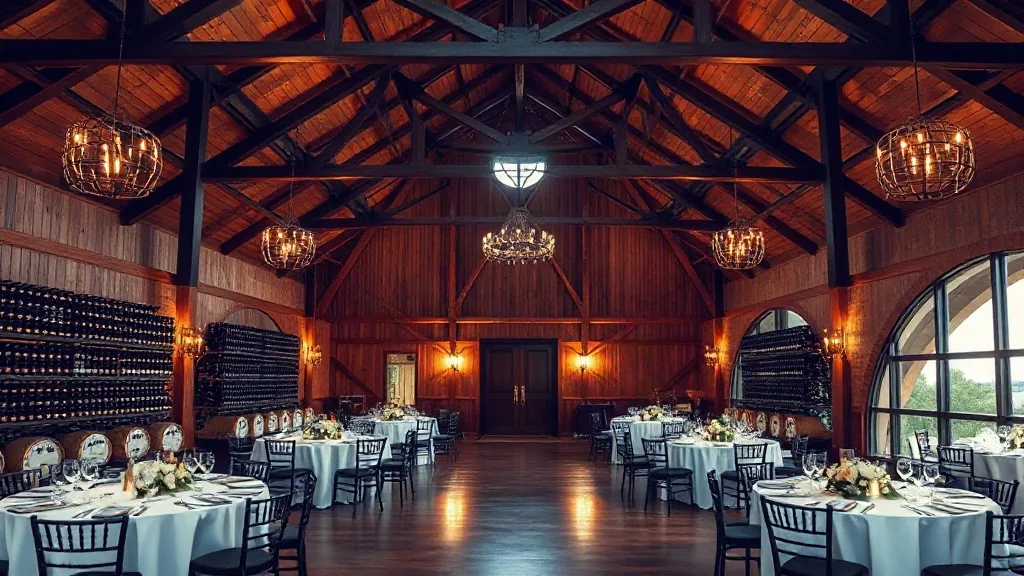
A winery, particularly in California, Oregon, or Virginia wine country, signals that the board is thinking about the future rather than maintaining tradition. It says the company values experiences over formality. It says the leadership team is comfortable with informality.
For a technology company board, a venture-backed startup board, or any board whose membership is weighted toward people under 55 who identify with West Coast culture, a winery retreat works because it aligns with the values the company publicly espouses.
The best winery retreats I’ve planned leverage the setting intentionally: a walking tour of the vineyard as a structured break between agenda blocks, a private tasting led by the winemaker that creates a shared experience outside the meeting room, and a dinner in the barrel room that feels genuinely different from any dinner the board members have had in a hotel or club.
The logistics gap versus a country club is real. Most wineries don’t have overnight accommodations. You’re organizing transportation from a nearby hotel (typically a 15-45 minute drive in wine country) and coordinating vendor access for any AV you need. The meeting infrastructure is often a converted space, not a purpose-built boardroom.
Winery venue cost for a 12-20 person board retreat: $3,500-$7,500 in venue fee, plus external catering at $90-$140 per person (most wineries have preferred caterers), plus transportation logistics. The total is often comparable to a country club event, but with more moving pieces.
Board Composition Demographics as a Decision Framework
| Board characteristic | Favors country club | Favors winery |
|---|---|---|
| Average board member age | Over 60 | Under 55 |
| Industry | Finance, legal, healthcare, regulated | Technology, media, consumer, CPG |
| Geographic origin | Northeast, Mid-Atlantic, Southeast | West Coast, Mountain West |
| Percentage who drink wine | Irrelevant (full bar at clubs) | Relevant (a winery for 3 abstainers out of 12 creates awkwardness) |
| Governance sensitivity | High (public company, nonprofit, regulated) | Lower |
| Existing relationships with the setting | Several members likely have country club membership | Less likely to have prior connection |
The drinking factor is the one that surprises planners. A country club has a full bar program. The winery’s identity is its product. If more than 20% of your board doesn’t drink, a winery retreat puts those members in a passive position during the experiential portions of the day. It’s not insurmountable, but it’s worth knowing before you book.
The COI and Privacy Gap
Country clubs have formalized guest policies and strong norms around privacy and confidentiality. The staff at a private club has been working in a confidential environment for years. Conversations at dinner will not be overheard by external parties because the club controls the space entirely.
Wineries are semi-public. Even a private event buyout at a winery may have winery staff moving through the space for operational reasons. Some wineries allow other bookings on adjacent properties or in other parts of the building simultaneously. For a board retreat where strategic discussion is sensitive, ask explicitly about exclusivity before you sign.
My Recommendation by Situation
If your board is making decisions about governance, executive compensation, M&A, or regulatory response: choose the country club. The setting communicates appropriate seriousness.
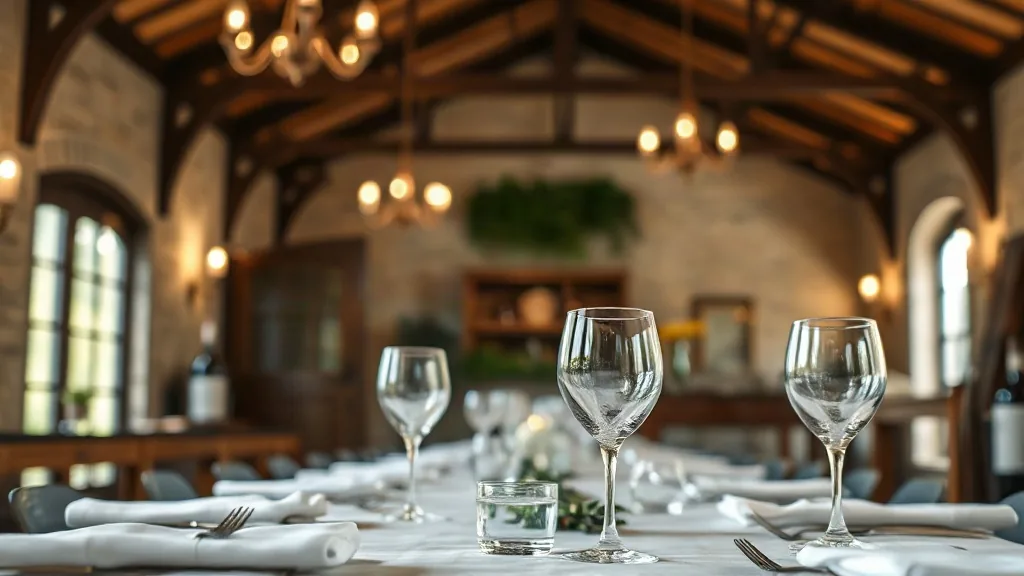
If your board is convening for a strategic planning session focused on long-range vision, culture, or company identity: a winery is appropriate if your board composition supports it.
If you’re uncertain about board composition preferences, ask your board chair or the longest-serving independent director. They’ll tell you what the board expects, and that expectation is the answer.
Food and Service Quality: Where Country Clubs Have a Systematic Advantage
A private country club’s dining program is its core product. The club’s membership pays annual dues of $8,000-$30,000 partly for the dining experience, which means the kitchen and service staff are maintained at a level that supports members who eat there weekly. The executive chef at a well-established country club is not a hotel banquet chef; they’re a culinary professional whose continued employment depends on member satisfaction.
A winery’s dining program is secondary to the wine. Most wineries partner with preferred caterers rather than maintaining in-house culinary staff, and the quality of those caterers varies. I’ve had excellent meals at winery events and I’ve had mediocre meals. Country club dinners are more consistent because the kitchen’s incentive structure is different.
If your board retreat includes a formal dinner where food quality will be evaluated by board members who dine at fine restaurants regularly, the country club’s culinary program is a more reliable platform.
The Outdoor Programming Difference
Country clubs offer outdoor options (golf, tennis, walking trails on manicured grounds) as structured recreational add-ons. The golf option is significant for boards where several members play and use the social game as relationship-building time. A 9-hole round before the afternoon board session is a natural agenda component at a country club that a winery cannot replicate.
Wineries offer vineyard walks, harvest experiences (seasonal), and winemaker-led tastings as their outdoor programming. For boards whose members value experiential learning, a 30-minute vineyard walk led by the winemaker followed by a structured tasting is a programmatic element that the country club golf course doesn’t match for non-golfers.
Know your board’s recreational preferences before you finalize the venue. A board where three out of twelve members play golf and the other nine don’t creates an awkward afternoon break at a country club where golf is the implicit agenda.
Browse wineries and vineyards available for corporate events and country clubs with event spaces in your target region. For the privacy and COI terms that matter in this context, see what general counsel actually reviews before signing a venue contract and venue COI requirements.
What’s your board’s average age and primary industry? That alone narrows the choice to one.