How to Book a Rooftop Venue for a Corporate Event
Rooftop venues deliver a city-view experience that justifies premium pricing for the right event, but wind velocity thresholds, tent and heater costs, elevator access for load-in, weight-load limits for production equipment, and weather insurance riders create a set of operational constraints that require planning you don't face with an indoor venue.

Rooftop events live or die on weather. That’s the whole variable that doesn’t exist at a hotel ballroom. Get a clear 75-degree evening in Atlanta or Chicago in October, and 200 guests on a rooftop with city views is the best event I’ve planned all year. Get a 40-degree night with 20-mph gusts and a tent that wasn’t engineered for the load, and it’s a 4-hour apology tour. I’ve had both. Here’s how to manage the risk without killing the format.
What makes a rooftop venue work for corporate
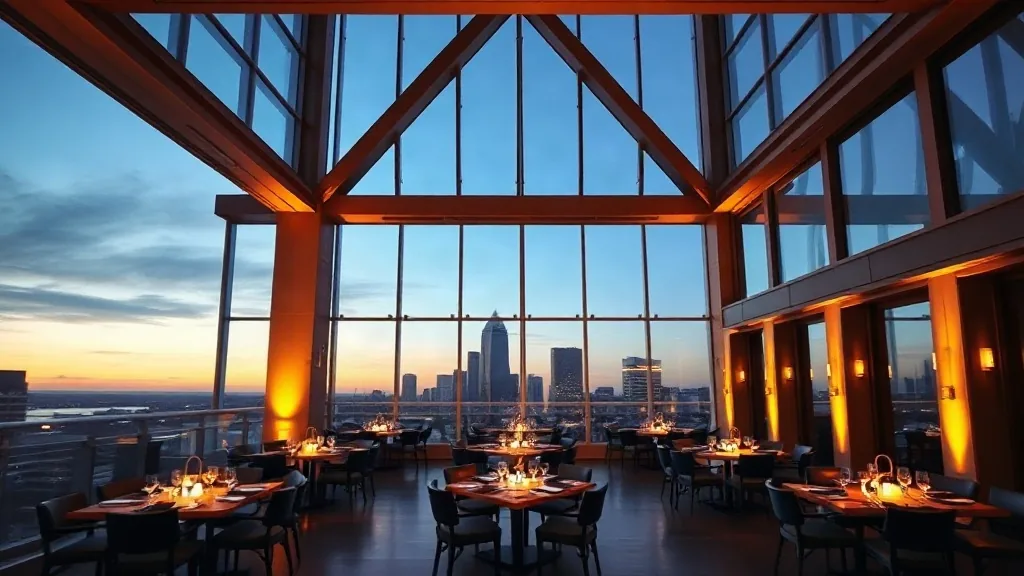
The visual payoff is the whole point: an unobstructed city skyline, evening light, and a setting that no interior space can replicate. For company galas, product launches with a reveal moment, and high-stakes client events where the venue communicates investment, rooftops earn their place.
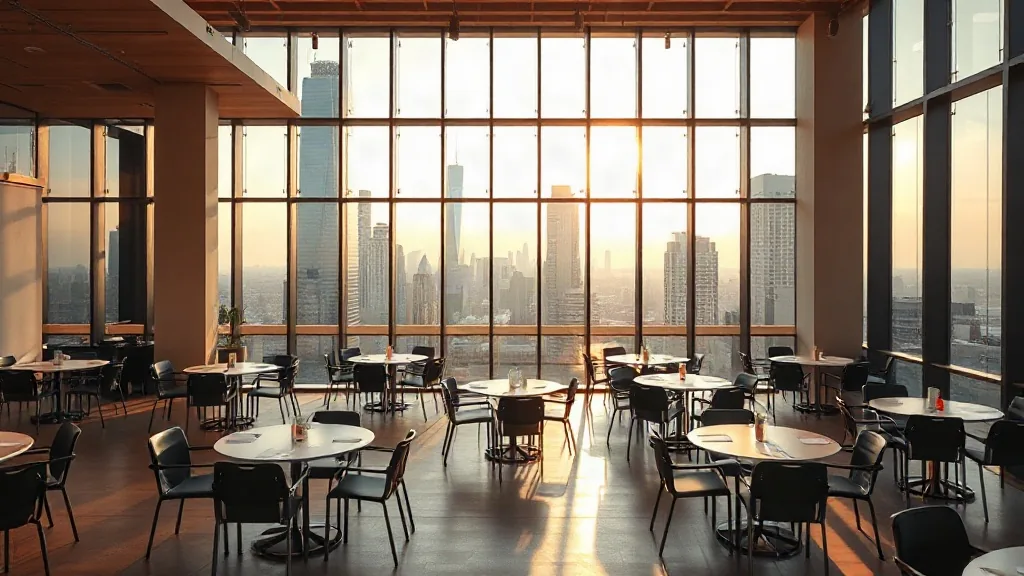
They’re most appropriate for: cocktail receptions (standing works better than seated on rooftops), gala events with dinner service in an enclosed rooftop structure, summer and early fall celebrations, and events where 200 guests or fewer is the target.
The format becomes problematic for: events that require significant production infrastructure (heavy rigging, large stage), events with high AV complexity (wind degrades sound in ways you can’t fully compensate for), and events in northern markets between November and March.
Wind velocity thresholds and what they mean operationally
Rooftop venues typically have contractual wind thresholds that trigger partial or full closure of the outdoor area. Common thresholds:
- Sustained winds above 20 to 25 mph: outdoor bar and catering service suspended
- Sustained winds above 30 mph: guests moved to enclosed space or event cancelled
- Gusts above 35 mph: typically grounds for cancellation with force majeure protection
These thresholds matter because they determine what your contract actually protects. If wind speeds hit 22 mph during your event and the venue’s threshold is 20 mph, they have the right to suspend outdoor service. If you don’t have an enclosed fallback space with your event, you’re at the venue’s mercy.
Ask for the venue’s specific wind policy in writing. Ask whether they have a weather monitoring system and who makes the threshold call. Ask what happens to your deposit if they trigger the wind closure.
Tent and heater add-on costs
A tent over a rooftop is not a straightforward installation. Rooftop decking can’t always support the ballast weight of a large tent frame; the engineering requirements are specific to the roof’s structural load capacity.
Before booking a tent for a rooftop event, the venue should provide a structural engineering report confirming the roof can support the tent and equipment weight. If they can’t provide this, don’t assume it’s safe.
Tent rental for a rooftop event runs $4,000 to $12,000 for a structure adequate for 150 to 200 guests because of the engineering requirements and specialized installation. This is 2 to 3 times higher than a comparable tent on ground level.
Propane patio heaters: $60 to $150 per heater per day. For a 150-person rooftop in October in Chicago, you need 10 to 15 heaters to maintain comfort. That’s $600 to $2,250 just for heating.
Calculate the all-in cost with tent and heat before assuming a rooftop is cheaper than an indoor venue.
Elevator access and load-in constraints
Everything that needs to be on that rooftop has to get there somehow. In most urban high-rises, that means a service elevator with specific dimensional limits.
Ask: What are the service elevator interior dimensions (height, width, depth)? What is its weight limit? Is there a dedicated service elevator schedule, or do event vendors share with building tenants?
A standard commercial AV rack case is 50 inches tall. A venue’s service elevator with a 48-inch interior height won’t accept it without dismantling. A catering hot box on wheels with a 60-inch height gets stuck at the same elevator.
For events with significant production equipment, map the path from the loading dock through the elevator to the rooftop event space and confirm every piece of equipment fits before the event.
Weight-load limits for production equipment
Rooftop decking has a pounds-per-square-foot structural rating. Commercial rooftops are typically rated for 100 to 150 lbs per square foot; residential building rooftops may be lower. Production equipment concentrates weight.
A loaded trussing system for a lighting rig can weigh 800 to 1,500 pounds concentrated over 4 to 6 support points. A full bar setup (cases of alcohol, ice, glassware) for 200 guests weighs 600 to 1,000 pounds over a 6 to 8 square foot footprint.
Ask the venue for the roof’s structural load rating and, for any significant production equipment, whether they’ve done a structural review for events of your planned scope.
Shoulder-season pricing windows
Rooftop venues in most US cities have a clear pricing pattern. Summer (June to August) is peak pricing in northern markets; late spring and early fall are shoulder. Southern markets (Miami, Atlanta, Phoenix) invert this: shoulder season is summer (too hot) and peak season is October through April.
Nationally, October and November in northern markets are the best combination of reliable-enough weather and reduced rooftop pricing. March and April are the other shoulder window in most markets.
Enclosed rooftop vs open-air rooftop
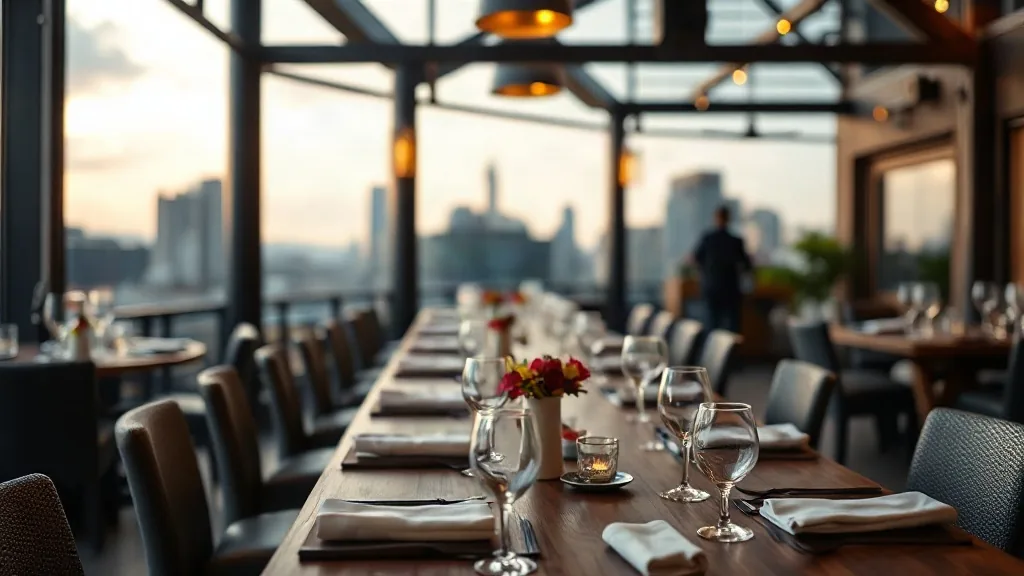
Not all rooftops are open-air. Many purpose-built rooftop event spaces in major cities have invested in partial or full enclosure options: retractable glass walls, permanent greenhouse structures, or a hard-sided enclosed section adjacent to an open terrace. These structures change the risk profile significantly.
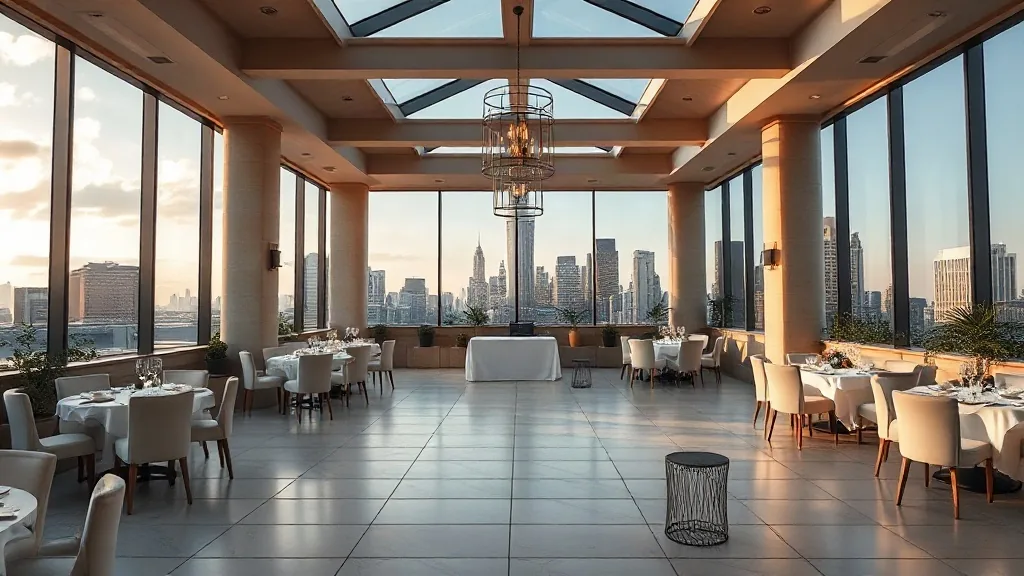
An enclosed rooftop that can hold 150 guests comfortably with glass walls closed is essentially a glass-walled event room with an outdoor view. Wind is not a factor. Rain is not a factor. Temperature is manageable with HVAC. This is a different venue than an open-air rooftop that relies entirely on weather cooperating.
When evaluating rooftop venues, ask specifically: what percentage of the capacity can be accommodated inside an enclosed space if outdoor conditions deteriorate? A venue that can move 100 percent of guests to an enclosed area at any time is a different risk calculation than one that has a 40-person enclosed bar while 160 guests stand exposed to the elements.
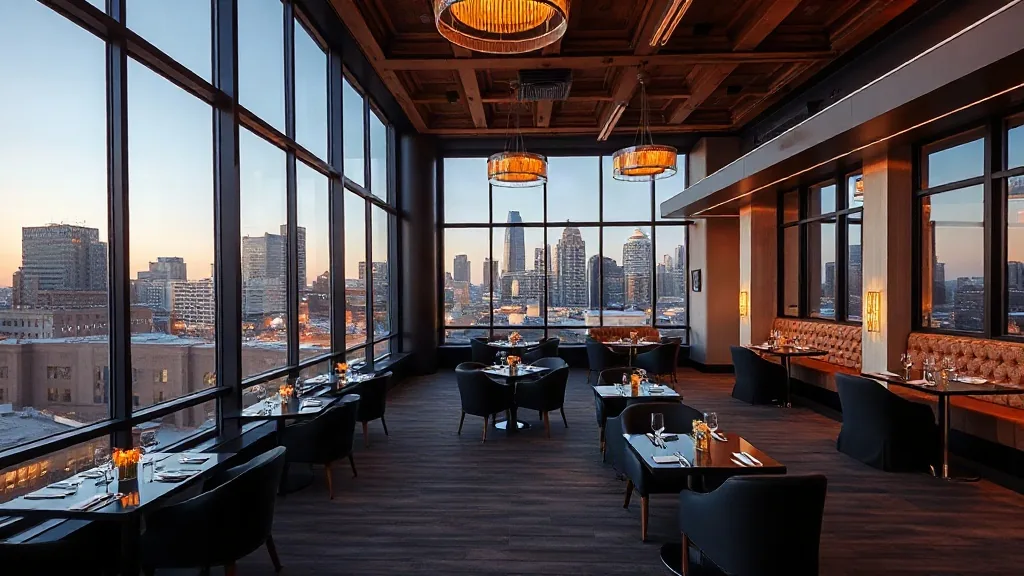
Some of the best rooftop venues in major markets are restaurants or bars with rooftop event programs that include enclosed glass dining rooms adjacent to outdoor terraces. These combine the rooftop view with the weather reliability of an indoor restaurant. Ask your events contacts in a given city specifically about this format.
Browse rooftop venues for corporate events by city, or compare to outdoor and garden venues for a ground-level outdoor format with fewer structural constraints.
For the direct format comparison that helps you decide between a rooftop and a ballroom, Rooftop vs Ballroom for a Company Gala covers the weather-risk pricing and insurance rider differences. For shoulder-season pricing patterns month by month, Rooftop Venue Pricing by Month: the Shoulder-Season Window covers the city-by-city rate patterns.
What’s your target date, city, and headcount? Those three inputs determine whether the rooftop format is viable or whether you’re buying too much weather risk.