How to Book a Stadium or Arena for a Corporate Event
Stadiums and arenas are available for corporate bookings in their off-season windows, but union labor costs, exclusive caterer pricing, load-in time restrictions, and minimum revenue requirements push per-head costs well above hotel alternatives. This guide covers when the format makes sense, which spaces to book within a facility, and what the real cost structure looks like.

Stadium and arena events are about one thing: the experience of being inside a facility that’s otherwise inaccessible. A 500-person gala in a sports team’s stadium club has a different feel than the same event in a hotel ballroom. Your attendees feel it. Whether that experience justifies the cost premium is a real question, and the answer is not always yes.
The available spaces inside a stadium or arena
Stadiums and arenas are not single-space venues. Understanding which space you’re actually renting determines the budget and the experience.
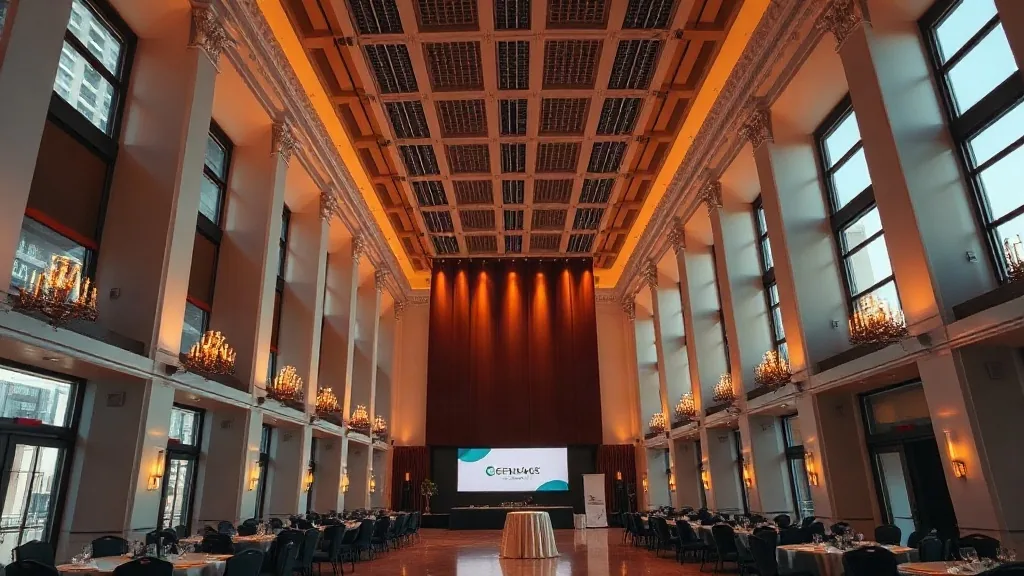
Stadium clubs and premium clubs: These are the best corporate event spaces in most facilities. Stadium clubs are permanent indoor venues built into the stadium structure, typically with their own kitchen, bar, and full event infrastructure. They seat 100 to 600 people and are often available year-round, even during the season, on non-game days. This is the space most planners should be booking when they say they want a “stadium event.” Pricing: $10,000 to $40,000 for a buyout depending on the facility and market.
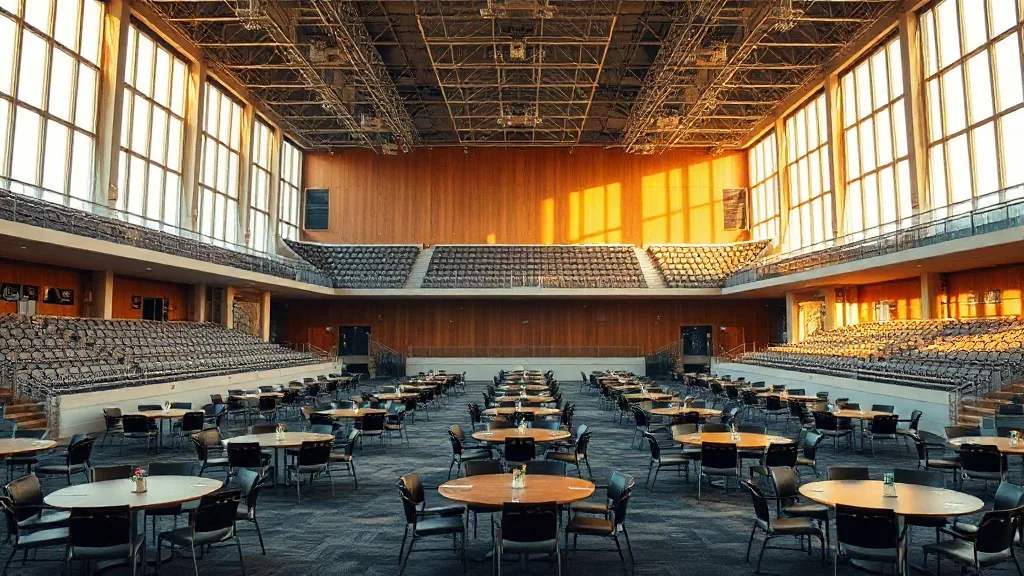
Field-level events: Hosting an event on the actual playing field or arena floor is the highest-impact experience and the most complex operation. You’re working on a protected surface, load-in must happen through designated entrance gates, and your catering and production setup has strict timeline constraints. Available only in the off-season or after the final event of the season. Pricing: $25,000 to $100,000+ for large facilities.
Suite levels: Individual suites (12 to 25 people per suite) can be booked as a collection for smaller corporate events. For 40 to 100 people, booking 4 to 8 adjacent suites creates a private event cluster. Less impressive as a single cohesive event space; useful for smaller groups wanting the stadium credibility.
Arena floors: Similar to field-level events but in an enclosed arena. Concert-tour load-in typically happens in the same window you’d use for event setup, which creates scheduling constraints. Available primarily between major arena bookings.
Union labor and what it controls
Stadiums and arenas in major markets are almost always union facilities. The relevant unions:
IATSE (International Alliance of Theatrical Stage Employees): Controls AV setup, lighting installation, and production rigging. All AV equipment setup, cable runs, and equipment operation must be performed by IATSE members at scale-rate wages: $85 to $150 per hour with overtime provisions.
Teamsters: Controls material handling. Anything that moves in a vehicle on the venue property is Teamster jurisdiction. This includes catering delivery vehicles, furniture trucks, and equipment transport. If you’re having furniture delivered to the venue, it likely gets unloaded by Teamsters labor.
Building Service Workers International Union: Controls cleaning and event setup in some facilities. This affects who sets up your tables and chairs and who cleans after the event.
The minimum call is typically 4 hours regardless of how long the actual work takes. A 45-minute AV setup is billed as a 4-hour union call. For a large event with multiple IATSE members working setup, the labor bill can be $4,000 to $15,000 before a single guest arrives.
Exclusive caterer pricing
Stadiums and arenas have exclusive food and beverage contracts, typically with Aramark, Levy, or Sodexo. These are the same companies running the concessions during games. Their corporate event catering is priced at a premium because they have no competition.
Expect catering at $75 to $160 per person for a dinner event, $50 to $100 per person for a reception. These prices are higher than equivalent hotel catering and the food quality comparison doesn’t always favor the stadium.
There are no outside caterers. The choice is to work within the exclusive caterer’s program or not use the venue.
Minimum revenue requirements
Stadium and arena events have minimum revenue thresholds designed to ensure that a corporate event is financially viable compared to what a game night generates. These minimums are typically stated as a combined F&B, rental, and service spend.
A stadium club buyout at a major market facility might require $30,000 to $75,000 in total event spend to justify the booking. A field-level event at the same facility might require $100,000 or more.
If your event budget doesn’t meet the minimum, the venue may decline the booking or require a venue fee to make up the difference.
Load-in timing restrictions
Stadium and arena load-in has specific timing restrictions because the facilities are in active use for games, concerts, and other events. You cannot access the venue until the previous event is fully struck.
For game-night stadiums, the load-in window after a game is typically 10pm to 6am. If your event is the next day, setup happens overnight. If your event is on a day following a major event (playoff game, sold-out concert), the venue may not clear the space in time for your load-in to begin.
Ask the events coordinator for a full calendar of events at the venue in the two days before your event. Any large event in that window increases your load-in risk.
How to approach the booking conversation
Stadium and arena events are booked through the facility’s premium seating or event sales department, not the main box office. Search the facility’s website for “private events,” “corporate events,” or “stadium rentals.” Most major facilities have a dedicated inquiry form or email.
Lead time for stadium and arena corporate bookings: 6 to 18 months for premium dates and large footprints. Stadium clubs can sometimes be booked with 3 to 6 months of lead time for smaller events on low-demand dates. Field-level events for major facilities require 12 to 24 months of lead time because they compete with the facility’s own event calendar.
When you make initial contact, have these numbers ready: approximate headcount, preferred dates (and 2 to 3 alternates), whether you need field or floor access or can work with the stadium club level, and a rough budget range. Venues won’t quote without a budget range, and a vague inquiry produces a vague response.
The experience premium: is it worth it?
The honest question for any event planner booking a stadium: does the venue premium justify the cost delta?
For a company gala where 500 employees have been working toward year-end goals and the company wants to mark the occasion with something memorable, a stadium club delivers a genuine premium experience over a hotel ballroom at comparable cost. The “I was in the stadium” memory is real.
For a functional conference or a board meeting, the stadium format adds cost without adding utility. There’s no reason a 40-person board meeting needs to happen in a luxury stadium suite at $3,000 per person when a hotel boardroom at $800 per person serves the same function.
Match the venue to the event’s actual purpose. Stadiums and arenas are celebration and recognition venues, not operational meeting venues.
Browse stadiums and arenas for corporate events by city, or compare to convention centers for a large-scale venue without the union labor premium and exclusive caterer constraints.
For a direct format comparison on large events, Stadium Club vs Banquet Hall for a 500-Person Gala covers the layout differences and per-head cost comparison. For understanding how this venue type sits in the sports-venue category more broadly, 10 Aquariums and Zoos That Open After Hours for Corporate shows comparable after-hours institutional venue formats.
What’s your event size, date flexibility around the facility’s schedule, and total budget? Those three factors determine which space inside the facility is accessible to you.