Industrial Loft vs Hotel Penthouse for a Board Dinner: What the Room Communicates
Lofts read as innovative and informal. Penthouses read as traditional hierarchy. Food quality, COI requirements, and cost-per-head comparison for 20-40 guests.

I’ve done three board dinners in hotel penthouses and two in converted industrial lofts. The loft dinners were more memorable. The penthouse dinners were more appropriate. The difference is what the room says to your board before anyone says a word at the table.
Here’s the full comparison for a 20-40 person board dinner.
What the Room Communicates Before Dinner Starts
A hotel penthouse says: the company has resources, the leadership takes the board seriously, and the setting is traditional and appropriate. The white tablecloth, the city view, the sommelier who appears before you’ve asked: all of it signals deference to board member seniority and institutional formality. For a board of 12-18 people who’ve been on boards for 20 years, this is the expected register.
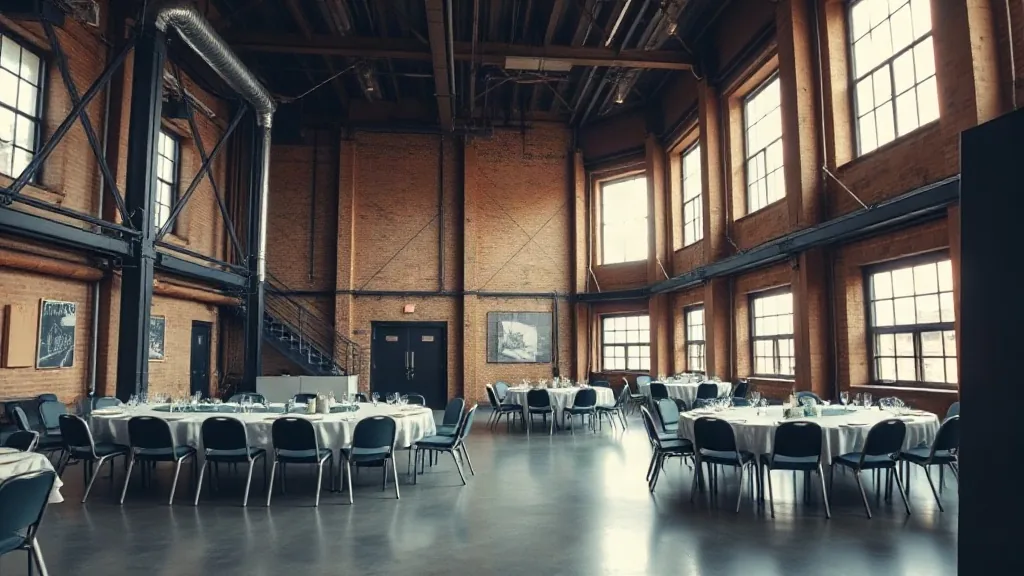
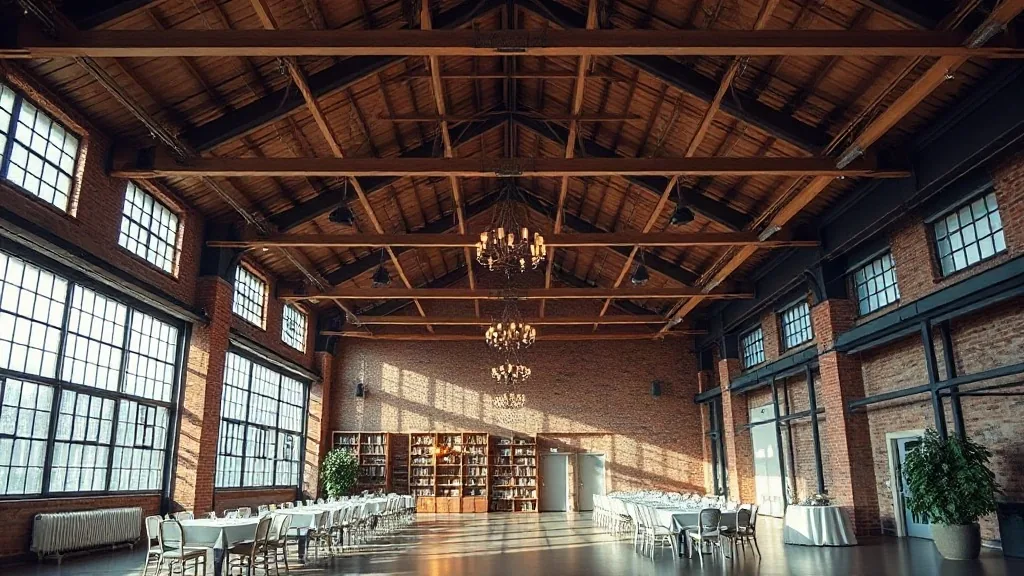
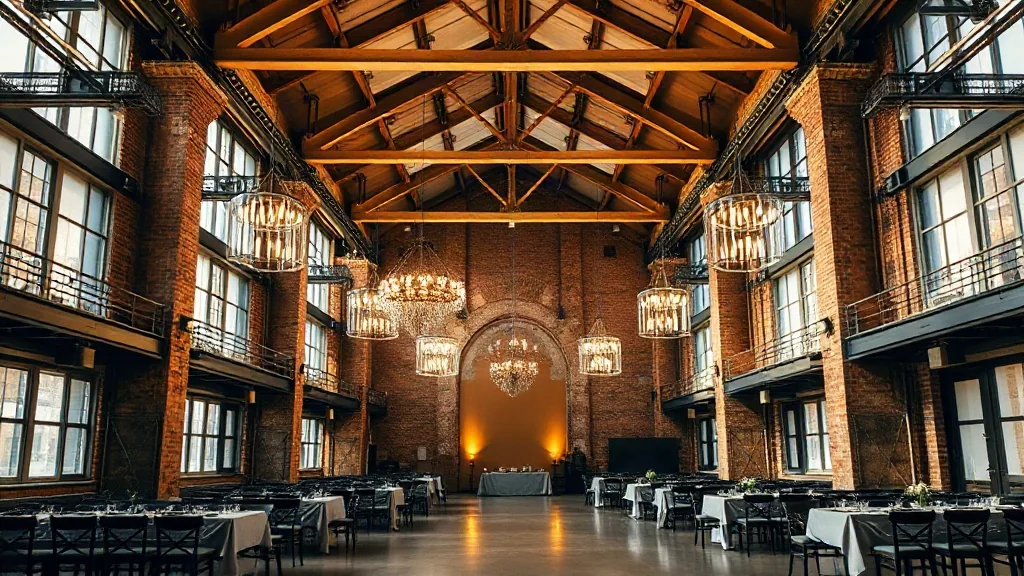
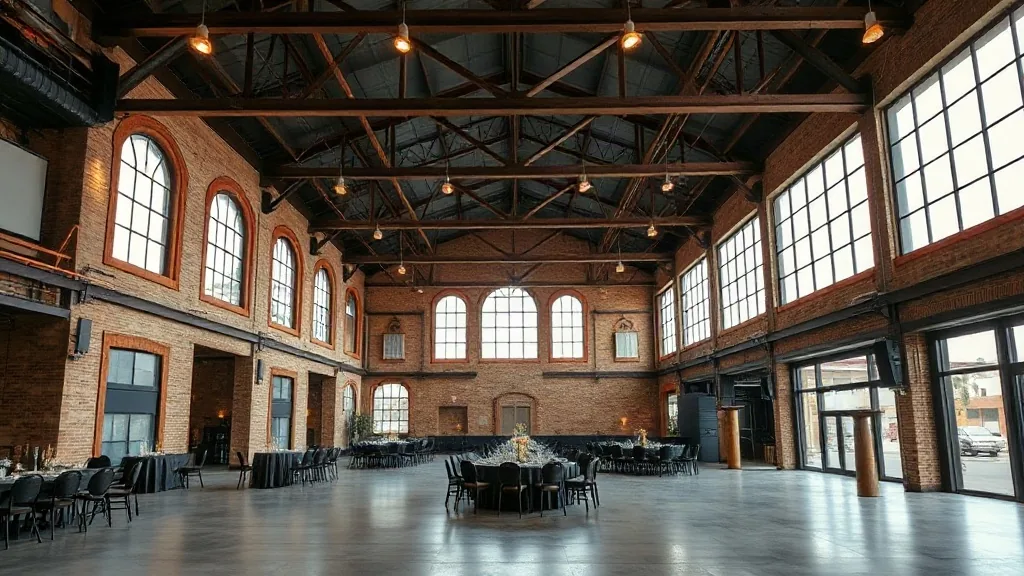
An industrial loft says: the company is forward-thinking, values experience over convention, and is comfortable with informality. The exposed brick, the Edison bulbs, the long communal table instead of a formal dining room setup: this sends a signal about company culture and leadership identity. For a board whose independent directors include tech founders and operators under 50, this signal can land well. For a board whose longest-serving member is a 72-year-old banking executive, it may not.
Neither signal is wrong. They’re different statements, and you should make the choice deliberately rather than by default.
Food Quality: the Penthouse Structural Advantage
Hotel penthouses typically serve a board dinner through the hotel’s in-house catering program, which at a full-service luxury property (Four Seasons, Ritz-Carlton, St. Regis) means a kitchen team capable of producing Michelin-caliber plated courses. The food at a board dinner in a Four Seasons penthouse will be very good.
An industrial loft is almost always catering-optional, which means you’re sourcing an external caterer to set up in a space that was not designed as a kitchen. The caterer brings a commissary setup, transports food in cambro containers, and finishes preparation in a space that may have a single sink and limited electrical capacity for heated holding.
The best caterers working this format can produce excellent food. But “excellent for a loft” and “excellent for a Four Seasons penthouse” are not the same standard. For a board dinner where food quality is a statement, the penthouse’s in-house kitchen is a real advantage.
COI and Security
| Requirement | Industrial Loft | Hotel Penthouse |
|---|---|---|
| General liability minimum | $2M-$3M (most standalone venues) | $1M-$2M (standard hotel requirement) |
| Elevator access from lobby | Variable; some lofts have separate entrance | Direct, staffed |
| Guest privacy from public | Building lobby exposure | Hotel elevator with floor key |
| AV security (private meeting component) | You bring everything | Hotel AV department, on-site support |
| NDA coverage for venue staff | Must be explicitly added | Hotel standard confidentiality addendum |
The elevator security point is practical. A hotel penthouse accessed by key card from a staffed elevator has controlled entry. A loft accessed through a building lobby that serves other tenants has public exposure between the lobby and the event floor. For a board with governance-sensitive discussion on the agenda, this matters.
Cost-Per-Head Comparison for 30 Guests
| Line Item | Industrial Loft | Hotel Penthouse |
|---|---|---|
| Venue rental | $3,000-$6,500 | $2,500-$5,500 |
| Catering (external, 4 courses + service) | $150-$225/head ($4,500-$6,750) | $180-$280/head (in-house; included in F&B minimum) |
| F&B minimum (if applicable) | N/A | $6,000-$10,000 |
| AV (bring your own to loft) | $1,200-$2,800 | $500-$1,500 (hotel in-house) |
| COI premium (higher for loft) | $300-$700 | $150-$400 |
| Sommelier / wine service | $400-$900 (external) | $0-$500 (hotel staff) |
| Total | $9,400-$17,650 | $9,650-$18,400 |
The cost comparison is roughly even. The penthouse has a lower venue rental line but charges through F&B minimum pricing. The loft has a lower F&B line but charges a real rental fee. At 30 guests, the total comes out within 5-10% of each other in most markets.
The variable that matters is food quality ceiling, which favors the penthouse, and atmosphere, which favors the loft for certain board compositions.
The AV Item for Board Dinners With a Presentation Component
A board dinner that includes a 20-minute CEO presentation on strategic priorities needs a screen, a laptop connection, and ambient lighting that can dim. At a hotel penthouse, the hotel’s AV team sets this up in 45 minutes and stays available during dinner. At an industrial loft, you’re sourcing a portable AV kit ($800-$1,500 rental), setting it up yourself or hiring a freelance AV tech, and hoping the HDMI cable reaches from the laptop to the screen without crossing a walking path.
If your board dinner includes any presentation component, the penthouse’s AV infrastructure is worth the comparison.
The Recommendation
If your board composition is traditional (average age over 60, finance or legal background, institutional tenure above 5 years): choose the penthouse. The setting is expected and the food quality is reliably better.
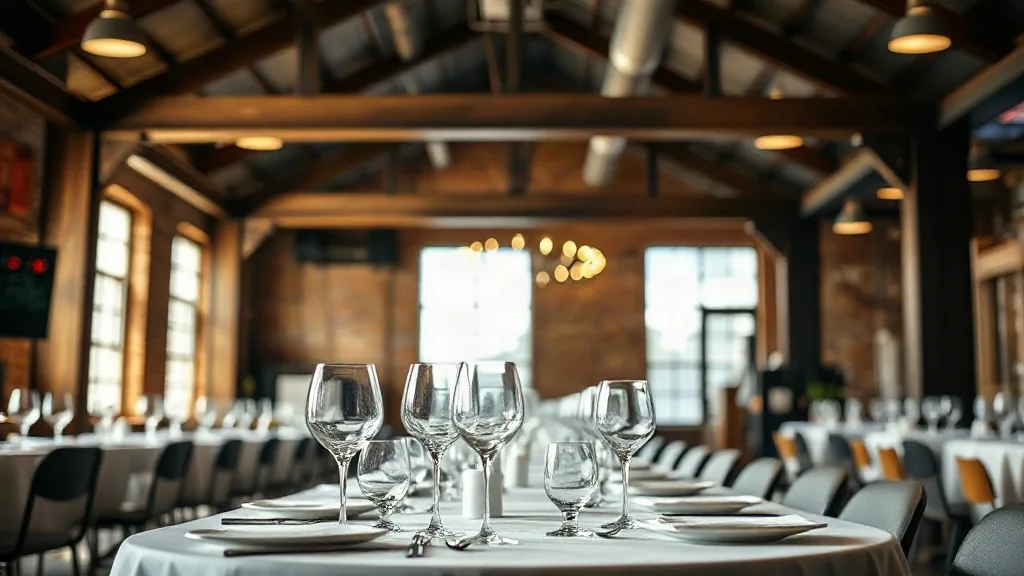
If your board composition skews newer, younger, and includes operators and founders who value culture signal: the loft is appropriate and may generate more candid conversation because it removes the institutional formality that makes some board members perform rather than engage.
When in doubt, ask your board chair what they expect. They’ll tell you, and that answer is the right answer.
The Wine and Sommelier Question
A board dinner where wine is a meaningful part of the experience requires different infrastructure at each venue. A hotel penthouse serves from the hotel’s wine cellar, typically through a sommelier who manages the wine program for the property and knows the list. You can request a specific bottle selection in advance, have the sommelier pair wines to a custom menu, and expect the service to be professional.
At an industrial loft, you’re often bringing your own wine with a corkage arrangement (or no corkage policy, depending on the caterer’s license) or relying on the caterer’s wine selection. If the wine program matters to your board, confirm the loft’s corkage terms before you commit. A corkage fee of $30-$55 per bottle for a board dinner where 10 bottles are served adds $300-$550 to the total.
The penthouse’s integrated sommelier service is worth $400-$800 compared to coordinating wine service independently at a loft, for a board that values it.
The Morning-After Consideration
Board retreats often run into breakfast or early-morning programming the next day. If your board dinner ends at 10:30pm and you have a 7:30am working breakfast the next morning, hotel penthouse guests are 30 seconds from the dining room.
Loft dinner guests are checking back into a hotel somewhere else in the city. The 10 minutes they save on dinner venue cost is spent on the Uber ride back to the hotel at 11pm.
For a board dinner that’s part of a multi-day retreat, the hotel penthouse’s location inside a full-service hotel is a logistics advantage that doesn’t show up in the venue comparison until someone has to get from the loft at 10:45pm to an 8am board session.
Browse industrial loft venues and hotels and resorts with private penthouse spaces to compare what your city offers. For the catering and COI terms that affect this comparison, see how to brief a caterer for a corporate event and how to negotiate COI requirements with a venue.
What’s your board’s average age and what’s the primary agenda: dinner-as-relationship or dinner-with-substance? That answer drives the setting.