How to Book a Standalone Event Venue for a Corporate Event
Standalone event venues give you maximum flexibility but require you to source and coordinate every vendor independently. This guide covers the full vendor stack, how to evaluate a blank-canvas venue against its rental fee, and the coordination load you're taking on when you choose a venue with no in-house services.

A standalone event venue sounds appealing until you’ve priced out what it actually costs to fill one. The rental fee looks low relative to a hotel ballroom. Then you add catering, AV, furniture, lighting, a day-of coordinator, security, and parking, and the per-head cost ends up comparable or higher than the hotel, without the hotel’s infrastructure and staffing. I’m not saying don’t book standalone venues. I book them regularly. But I go in with a clear budget for the full vendor stack, not just the space.
What a standalone event venue is
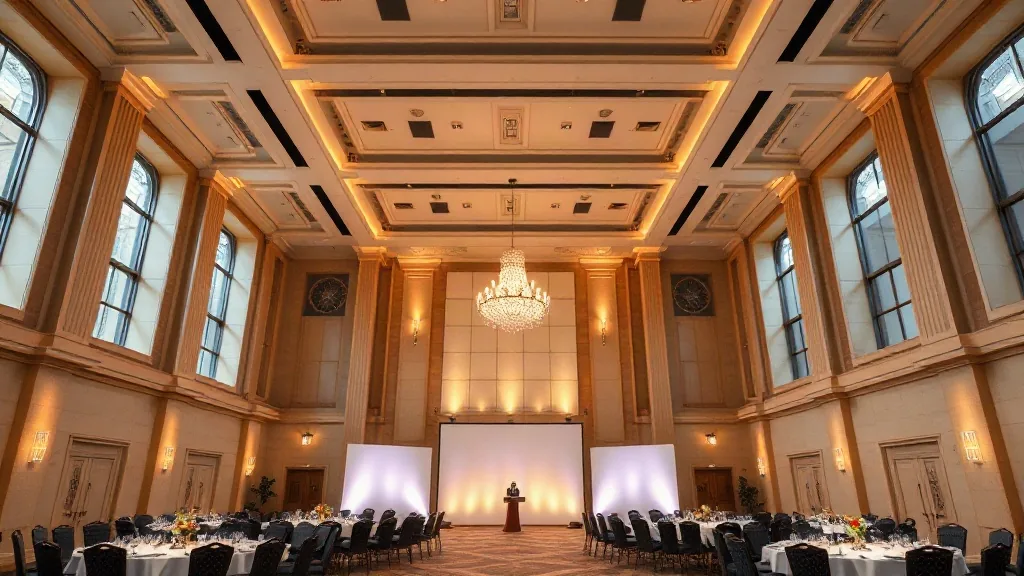
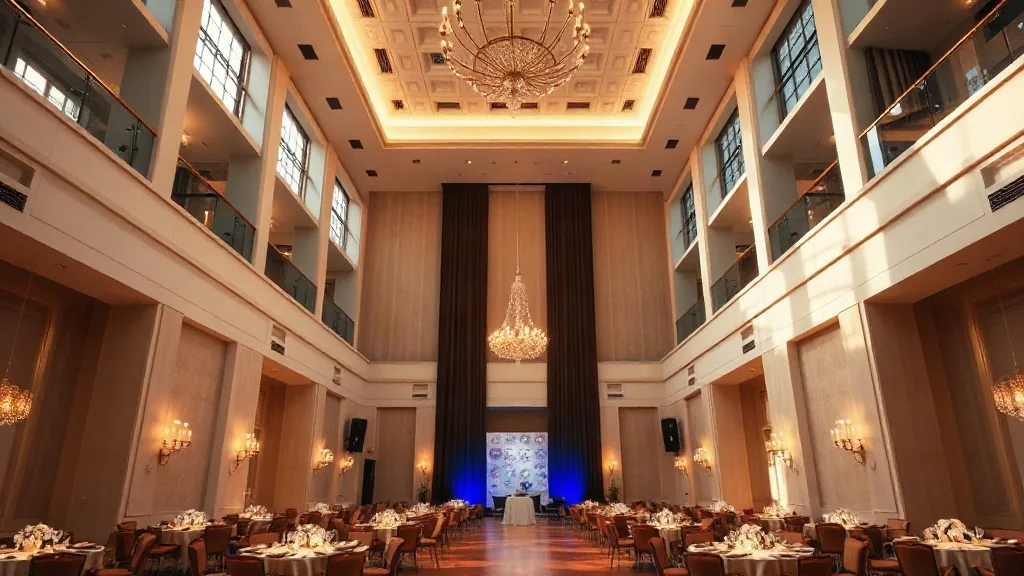
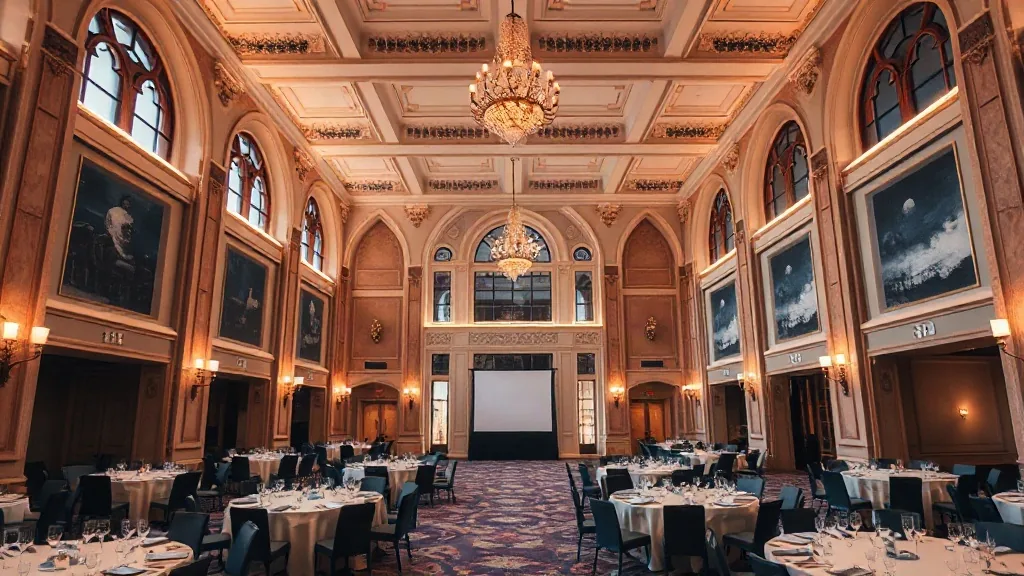
For this guide, a standalone event venue is a non-hotel, non-restaurant property that exists primarily to host events. It’s not a coworking space with an event area. It’s not a restaurant with a private dining room. It’s a dedicated event property: a loft, a gallery, a historic building, a rooftop, a garden, a warehouse, or a custom event facility.
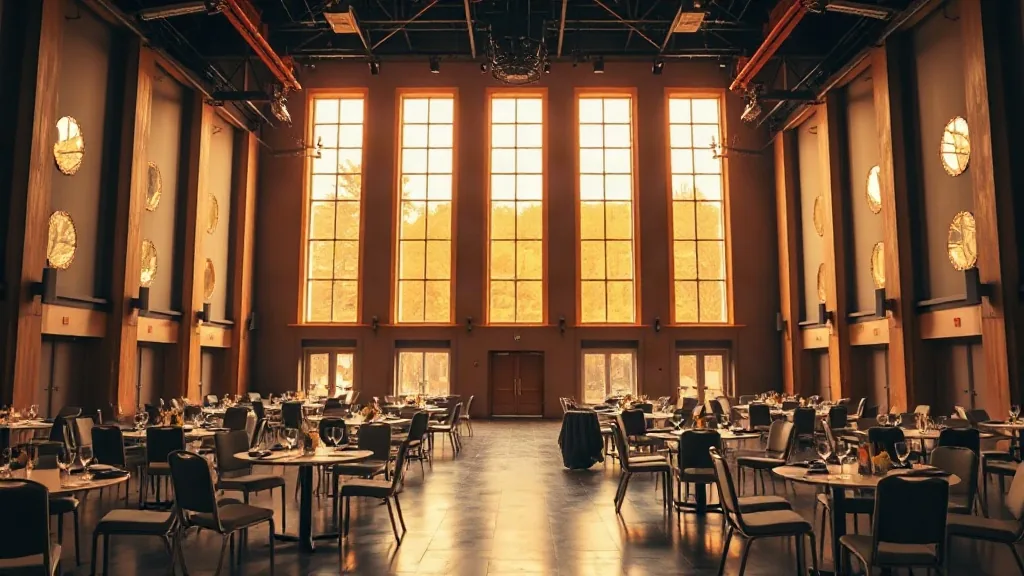
The defining characteristic is that the venue provides the space and, usually, furniture (tables, chairs), but requires you to source everything else. Some standalone venues have AV infrastructure; most don’t at a level adequate for large events. Almost none have in-house catering.
This format gives you maximum creative control. You choose the caterer, the AV company, the lighting designer, the florist. The venue is a frame, not a complete package. That’s the appeal and the complexity.
The full vendor stack you’re managing
For a standalone event venue hosting 150 people for a dinner and reception, here’s the typical vendor list:
Catering company: Full-service caterer with staff, equipment, and a mobile kitchen setup. If the venue doesn’t have a commercial kitchen, the caterer needs a prep area and may need to use a commissary kitchen and transport hot food. Budget $75 to $130 per person depending on the format.
AV company: Speakers, microphones, projectors or displays, DJ or live music amplification, and a technician. Unless the venue has a fixed sound system, you’re renting everything. Budget $2,000 to $8,000 for a 150-person event depending on complexity.
Furniture rentals: If the venue’s tables and chairs aren’t suitable or sufficient. Cocktail tables, lounge furniture, specialty linens. Budget $500 to $3,000 depending on scope.
Lighting: Uplighting, pin spots, string lights, or production lighting for a stage. Budget $800 to $3,500.
Florist/decor: Centerpieces, entryway decor, accent arrangements. Budget $1,500 to $8,000 depending on scope.
Day-of coordination: Most standalone venues don’t provide this. A venue manager who opens the door and makes sure nothing gets broken is not a day-of coordinator. Budget $800 to $2,500 for a professional coordinator if you need one.
Security: One guard per 75 to 100 guests at most venues. Budget $200 to $400 per guard for a 5-hour event.
Parking attendant: If the venue has a lot and you want managed parking. Budget $150 to $350 per attendee depending on the venue’s parking situation.
Add these to the venue rental fee and the total picture looks very different from the rental fee alone.
How to evaluate whether the rental fee is reasonable
The right test is total cost per head, not rental fee. A venue at $5,000 rental for 150 people ($33 per head) plus a full vendor stack at $120 per head is $153 per head all-in. A hotel ballroom at $200 per head all-in (room rental bundled into F&B minimum, in-house AV included, in-house catering) is $200 per head. The standalone venue wins, but not by the amount the rental fee comparison suggests.
Get the total cost calculation before you commit to a venue. Build a spreadsheet with every vendor line item at your estimated rate, add the rental fee, divide by guest count. Compare that number to the hotel or conference center alternative.
Some standalone venues become excellent value when their rental fee is low and they have adequate built-in infrastructure (a fixed sound system, sufficient furniture, on-site restrooms for the expected headcount). Others look cheap on rental and become expensive when you price the full stack.
COI and venue requirements
Standalone event venues typically require standard corporate event insurance:
- General liability: $1 to $2 million per occurrence
- The venue named as additional insured
- Liquor liability rider if alcohol is served
- Each vendor (caterer, AV, lighting) carrying their own GL with the venue named as additional insured
Collect COI certificates from every vendor before the event and submit them to the venue at least 5 to 7 business days in advance. Venues have been known to turn away uncertified vendors at the door.
Load-in logistics
This is the question that most distinguishes standalone venues that are easy to work with from those that aren’t. Ask:

- When does vendor access begin for setup? (Day-before access is ideal for large setups.)
- What is the loading dock configuration? (Freight elevator? Roll-up door? Ground-level entry?)
- Are there parking restrictions for vendor vehicles during load-in?
- Who is the on-site contact during load-in and what authority do they have to resolve problems?
A venue that doesn’t have a clear answer to the loading dock question has not done many large events. Load-in conflicts between AV, catering, and decor vendors in a single-door venue are a real operational problem for events above 100 people.
Insurance and liability in a standalone venue
When you’re running 6 to 8 independent vendors in a venue where there’s no hotel operations team managing the event, liability becomes explicitly yours. Confirm these insurance elements before event day:
Your event liability policy should cover third-party property damage (in case a vendor breaks something at the venue), host liquor liability if you’re serving alcohol, and non-owned vehicle liability if shuttles or vehicles are part of the event.
Each vendor must provide their own GL certificate with the venue named as additional insured before load-in begins. The venue will typically require this documentation at least 48 to 72 hours before the event. Don’t assume vendors will send it proactively; you need to ask specifically and follow up.
The gap that most planners miss: the venue’s COI requirement for the renter (you) and the COI requirement for each vendor may be different. The venue may require $2 million from you and $1 million from vendors. Confirm both sets of requirements when you review the contract.
Contracts with multiple vendors
You’ll sign 6 to 8 separate contracts for a standalone venue event. Keep a master tracking sheet that shows each vendor’s contract status, deposit paid, COI received, and day-of contact information. This sheet is your day-of operations document.
The most commonly forgotten contract element: confirm each vendor’s cancellation policy. Catering cancellations within 30 days may trigger a 50 percent food cost deposit. AV cancellations within 2 weeks may be non-refundable. If the event changes in scope after contracts are signed, you’re renegotiating with each vendor independently.
Browse event venues available for corporate events by city and capacity, or compare to banquet halls if you want in-house catering and a simpler vendor stack.
For furniture and decor scoping, How to Source Furniture Rentals for a Blank-Space Event covers the 40 percent of the quote that’s typically inflated and how to negotiate it down. For understanding the full AV scoping process, How to Brief an AV Vendor gives you the production-sheet format.
What’s your headcount, your event format (cocktail reception, seated dinner, or mixed programming), and whether you have a dedicated coordinator? Those three factors determine how much management overhead the standalone format requires.