How to Book an Industrial Loft for a Corporate Event
Industrial lofts are blank-canvas venues that require you to source catering, AV, furniture, and often additional restroom infrastructure independently. This guide covers when a loft is the right call, what the full vendor stack costs, and the questions to ask before the rental fee looks deceptively simple.

Industrial lofts are the venue type where the gap between what the rental fee implies and what the event actually costs is widest. I’ve seen planners sign a $6,000 loft rental thinking they got a deal, then spend $28,000 filling it with everything the event needed. I’ve also booked lofts at $8,000 that delivered a significantly better per-head experience than a hotel ballroom at $180 per head all-in. The difference is whether you built the vendor stack into the budget from the start.
When a loft is the right call
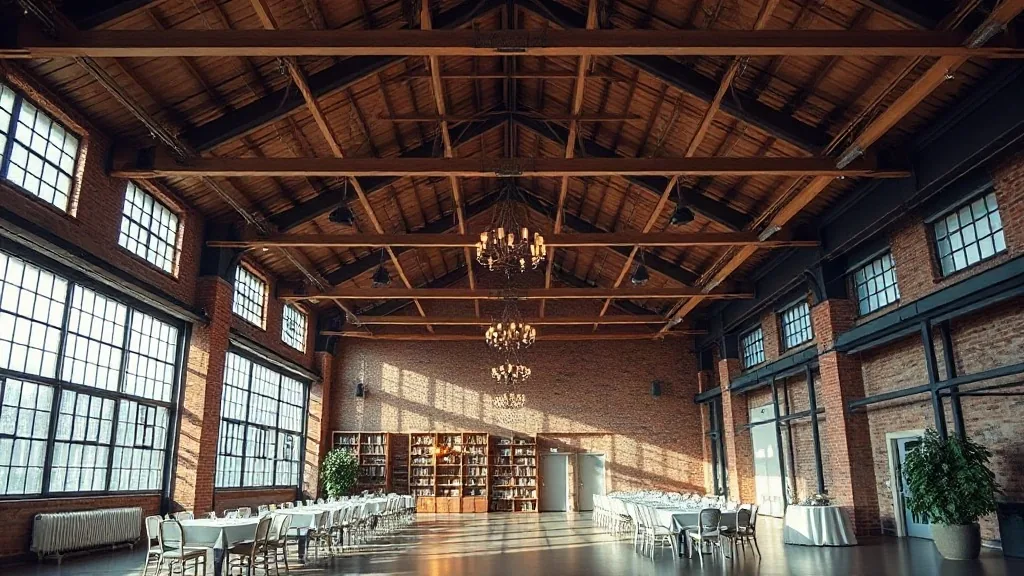
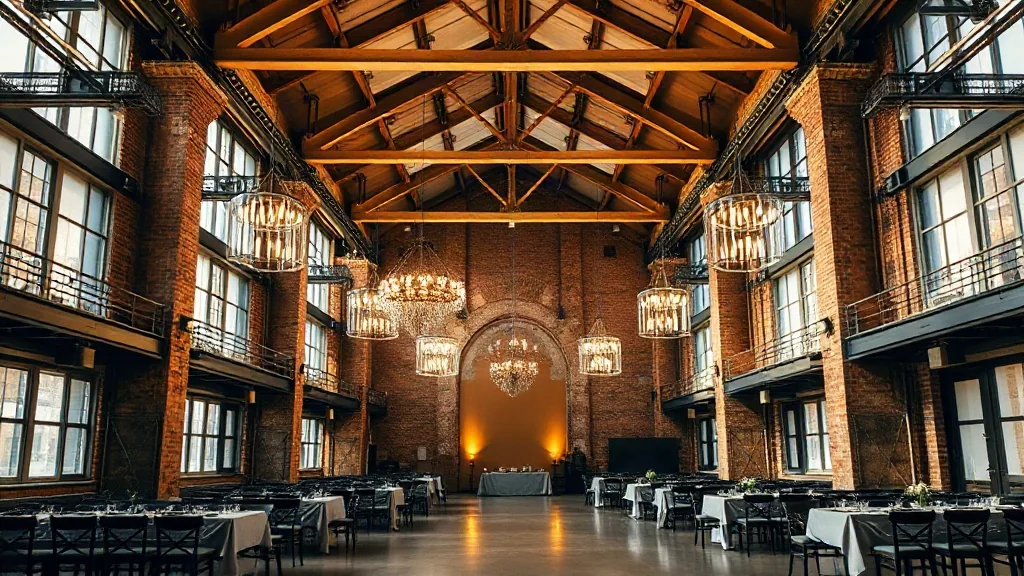
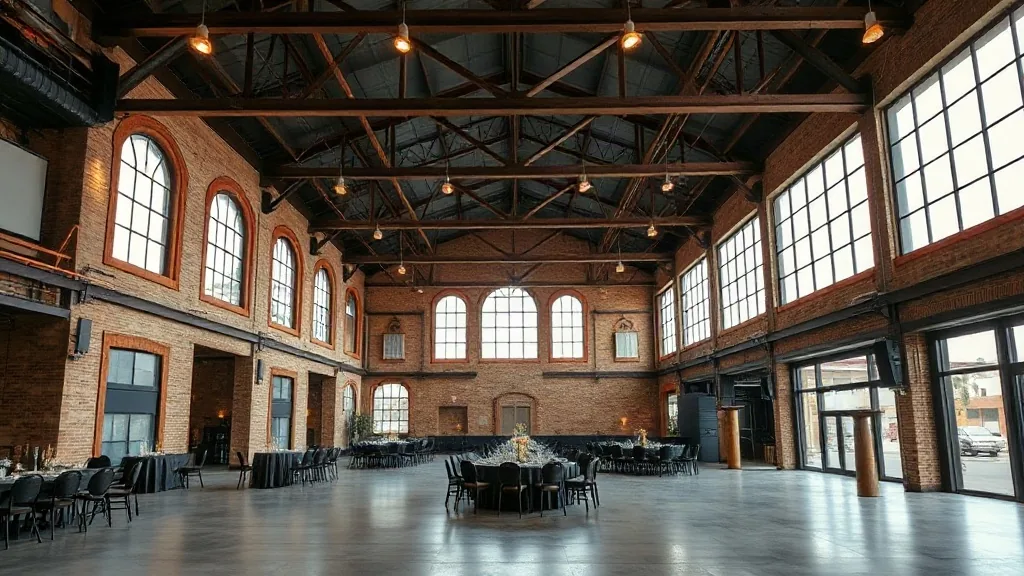
Industrial lofts work for specific event types and sizes. They’re excellent for: company parties and celebrations with 100 to 350 guests, product launches where the aesthetic needs to say “bold, modern, not corporate,” networking events, and creative-industry gatherings where the environment signals something about the company.
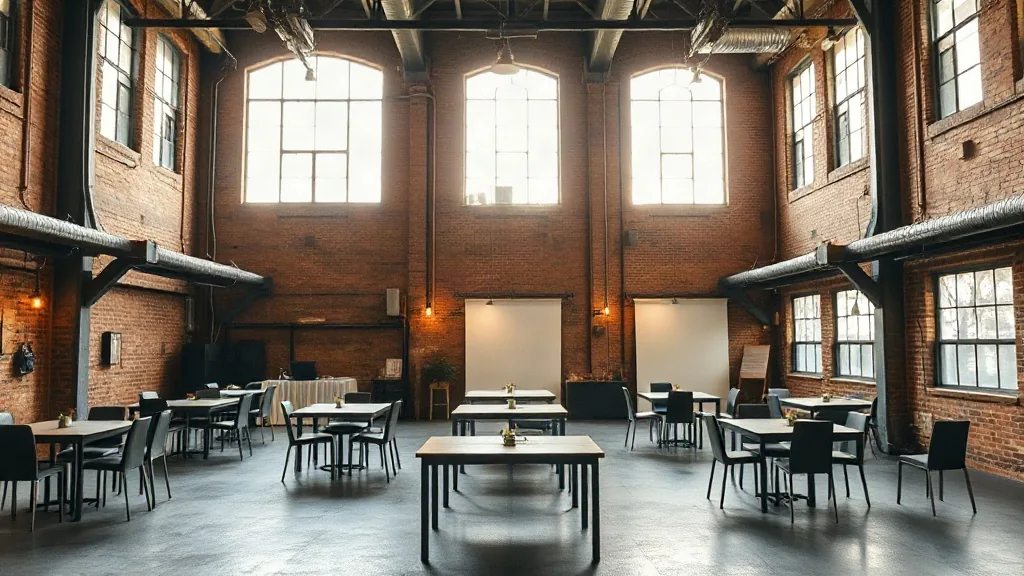
They’re harder to justify for: multi-day conferences with significant AV and production needs, events where the attendee profile expects hotel-level service, board dinners or executive events where the blank-canvas format feels under-resourced, and anything where you need multiple simultaneous breakout spaces (most lofts are open floor plan).
The format sends a specific cultural signal. Tech companies, creative agencies, and startups use lofts to communicate informality and creative credibility. A financial services firm hosting a client dinner in a raw loft may be sending a signal that doesn’t match the client’s expectations.
The full vendor stack
For a 200-person dinner and reception in an industrial loft, the typical vendor stack:
Catering: Lofts have no in-house kitchen. Your caterer brings a full mobile kitchen operation: prep equipment, warmers, serving stations. They need a dedicated prep area (often a back corner or loading dock area), adequate electrical service for their equipment, and a service path that doesn’t cross the guest circulation area. Budget $85 to $130 per person depending on the menu format.
AV: Most lofts have no built-in sound system or projection. Budget $3,000 to $10,000 for a 200-person event depending on whether you need DJ-quality sound, presentation capability, or both. High ceilings are a common advantage (rigging points, good sight lines), but bare concrete walls create sound reflections that require careful speaker placement.
Furniture: Loft rentals typically include basic tables and chairs, but often not specialty linens, lounge furniture, cocktail tables, or bar setup. Add $1,500 to $5,000 for a well-furnished loft event.
Lighting: Raw lofts with industrial lighting look great for photography but are often too bright or too stark for a dinner event. Uplighting, string lights, and pin spotting runs $1,000 to $4,000.
Bar setup: If the caterer doesn’t include bar equipment (a bar counter, ice containers, glassware beyond standard catering), that’s a rental add-on. Budget $300 to $800.
Security: One guard at the entrance minimum, often two for events above 150. Budget $200 to $400 per guard.
Add these to the rental fee and get the real per-head cost before comparing to alternatives.
Restroom infrastructure for 200+
This is the most consistently under-planned element of loft events. A converted industrial building with original restroom infrastructure (often 2 to 4 bathrooms serving the building’s tenant floors) cannot handle 200 guests over a 4-hour event.
Ask the venue: how many dedicated restrooms are accessible to event guests on the event floor, and what is their rated capacity? If the answer is “two bathrooms,” plan for a restroom trailer or confirm the venue has invested in expanded restroom capacity for events.
Some lofts in major markets have been properly renovated for events and have adequate restroom capacity; many haven’t. A restroom trailer for 200 guests costs $600 to $1,000 per day plus delivery. It’s an easy problem to solve if you budget for it; it’s a disaster if you don’t.
Electrical capacity
Industrial lofts in converted spaces often have more raw electrical capacity than residential buildings (they were factories or warehouses), but the distribution may not be configured for events. Questions to ask:
- What is the total electrical service amperage for the event space?
- Where are the electrical panels and what circuits are available to event vendors?
- Is the electrical panel accessible during the event, or is it in a locked utility room?
- Has the space hosted events with live bands or full catering operations before?
A caterer with warmers and kitchen equipment can draw 40 to 60 amps. A DJ or band with amplification and lighting can draw another 40 to 60 amps. If the total available service is under 200 amps dedicated to the event, you may have a problem.
HVAC in warm months
Former industrial spaces often have industrial HVAC that was designed for a given occupancy load, not for a 200-person event with catering heat load. Summer events in unconditioned or under-conditioned industrial spaces get hot fast.

Ask: what is the HVAC capacity, and has the space hosted summer events successfully? If the venue can’t answer this confidently, visit in summer before booking.
COI requirements and building access
Loft venues in converted commercial buildings typically require standard event COI: $1 to $2 million general liability with the venue owner and building management named as additional insured. Some buildings in major markets require $2 million minimum due to the multi-tenant structure, where a liability incident affects other tenants.
Get the COI requirement in writing early. Some loft venues are in buildings managed by a real estate company separate from the event venue operator. The building management’s COI requirement may be higher than the venue operator told you. A week before the event is the wrong time to discover a $5 million requirement when your policy runs $1 million.
Ask also: who is the building contact for after-hours access? Loft events often run past normal business hours and require a building representative to control elevator access, secure common areas, and manage load-out at midnight. Confirm this contact before signing, and have their personal cell number in your day-of contact sheet.
Parking in urban loft districts
Most urban loft venues are in industrial or transitional neighborhoods with limited on-site parking. Ask for the venue’s recommended parking strategy before your attendees start calling you the day before the event.
Options vary by market: some loft venues have negotiated rates at a nearby garage; others are near street parking that fills by 6pm; some have a surface lot that handles 40 to 60 cars, which covers about 40 percent of a 200-person event’s transportation needs. For events over 100 people, have a parking FAQ in your attendee communications that answers where to park and what alternatives exist.
Browse industrial loft venues for corporate events by city, or compare to event venues for a broader category that includes other blank-canvas formats.
For a direct format comparison, Hotel Ballroom vs Converted Warehouse for a 300-Person All-Hands covers the AV infrastructure and catering exclusivity tradeoffs. For furniture and decor planning, How to Source Furniture Rentals for a Blank-Space Event gives you the cost-reduction framework.
What’s your headcount, event type, and target per-head budget? That math will tell you whether the loft format works financially.