
How to brief a caterer so the tasting matches the event plate
The four-cover tasting is a different cooking problem than a plated dinner for 180, and the gap between them is where most catering disappointment lives. Here is the brief that forces the kitchen to cook the event, not the sample.
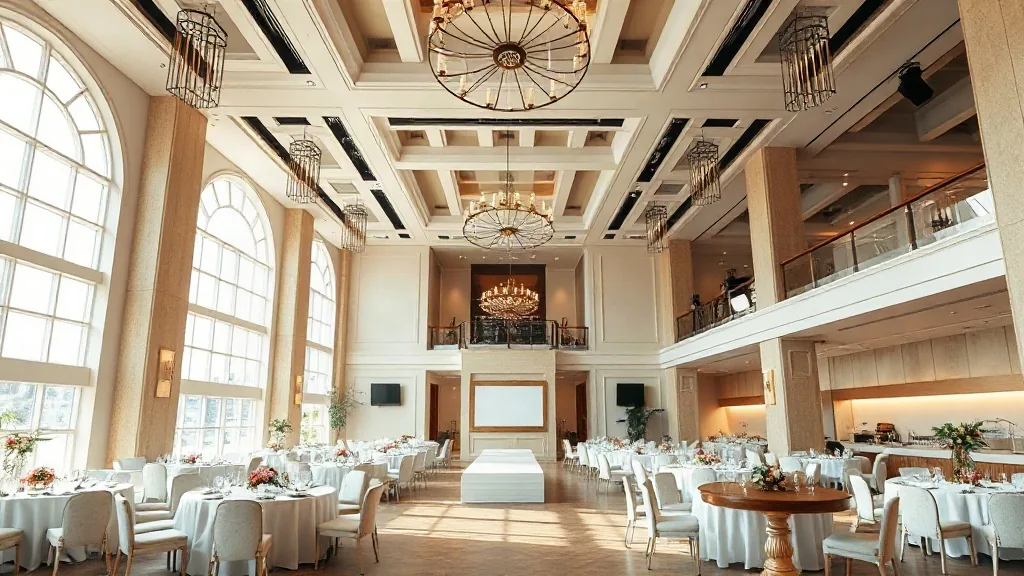
The tasting was flawless. Seared branzino, a beet salad plated like a cover shot, a short rib that gave way to a fork. Six weeks later 180 people at a healthcare leadership dinner in Tampa got dry chicken, and my client pulled me aside to ask why the food didn’t match what we approved in March. I’ve had that conversation more than once, and it taught me something. The bad plate almost never comes from a bad kitchen. It comes from a bad brief.
A tasting for four covers and a plated dinner for 180 are two different cooking problems. At the tasting, one chef plates four dishes to order, in a quiet kitchen, with all the time in the world. On event night, a line of ten cooks fires 180 proteins in a 40-minute window, holds half of them in a hot box while the room finishes the salad course, and sends them 200 feet down a service corridor. The branzino that sang at 1pm in a test kitchen turns to rubber under those conditions. If your brief doesn’t describe the real conditions, the kitchen cooks for the tasting and you eat the difference.
Why the tasting lies
The tasting is a sales tool as much as a test. The catering director wants you to sign, so they plate the version of the dish that photographs best and holds worst. That’s not dishonesty. It’s the default, and you correct it by changing what you ask them to prove.
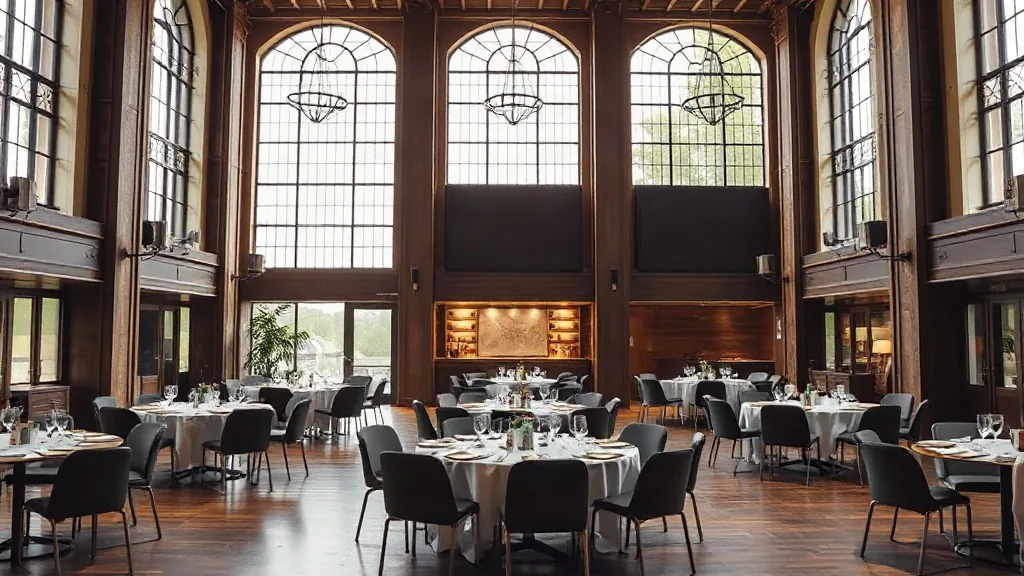
I tell caterers up front: I don’t want to taste the best-case plate. I want to taste the plate 180 people get after a 25-minute hold. Good caterers respect that ask. The ones who bristle at it are telling you they can’t deliver it, which is worth knowing before you sign a contract with a 23% service charge and a guaranteed minimum.
The brief that closes the gap
Before the tasting, I send a one-page brief. It’s the same shape every time.
Final headcount and service style. “180 guests, fully plated, three courses, single seating.” A caterer prices and staffs a plated dinner for 180 differently than a station buffet for 180. Say which one, because the protein spec changes with it. Plated means every dish leaves the kitchen at once and holds; buffet means it sits in a chafing dish for 90 minutes, which rules out anything delicate.
Room and kitchen conditions. Distance from kitchen to the farthest table, whether there’s a staging galley near the ballroom, whether the venue kitchen is a real kitchen or a warming pantry. At a lot of banquet halls the kitchen is built for volume and the food travels 60 feet. At a private dining room in a restaurant the kitchen is right there, and delicate proteins actually work. The brief should name which situation you’re in.
Timing. The exact minute the entree plates and the minute the last table is served. If that spread is 30 minutes, the chef needs a protein that survives a 30-minute hold. Salmon and filet do. Branzino and a medium-rare duck breast do not.
Ask for the event-day protein, cooked at hold conditions
Here’s the request that changed my tastings. I ask the caterer to plate the protein the way it will actually run: cooked, held 20 minutes in the hot box, then plated. Next to it, plate the same protein a la minute. I taste both. The difference tells me whether the menu is built for the room or built for the brochure.
On that Tampa dinner, if I’d tasted the held chicken breast I’d have caught it in March. A brined, bone-in thigh holds far better than a boneless breast, and it costs a dollar less per head. I’ve since made held-protein tasting a standing rule. It adds 20 minutes to the appointment and saves the entire event.
Get the counts and dietary math in writing
Your guarantee is due 72 hours out at most venues, and the kitchen cooks to guarantee plus a small overage, usually 3 to 5%. If you guarantee 180 and 195 show, 15 people get whatever’s left, which is often the vegetarian plate. So the dietary count isn’t a side note. It’s a production number.

I collect meal selections in the RSVP and give the caterer a hard breakdown: 118 beef, 44 fish, 18 vegetarian, 8 gluten-free, 4 no-shellfish. Then I ask for 6 extra vegetarian plates held in reserve, because the walk-in dietary request always happens. A caterer who plates by count runs a clean service. A caterer working off “assume a third fish” runs out and improvises, and improvised plates are the ones that come out wrong.
The line items to lock before you sign
The tasting sells the food. The contract sells the economics, and the two need to agree. I confirm these in writing:
- Per-head price at final count, and whether it holds if my number drops from 180 to 150. Some caterers reprice upward on a lower count because the fixed kitchen labor gets spread across fewer plates.
- Service charge and what it covers. A 22 to 24% service charge is standard. Confirm whether it includes the staff or whether waitstaff bills separately at a headcount ratio. I want one server per 20 guests for a plated dinner, one per 30 for stations.
- Hold time and course pacing written into the banquet event order, not just discussed. If the BEO says entree fires at 7:40 and clears by 8:20, the kitchen owns that window.
- Substitution rights if an ingredient is out of season on event day. I want the swap approved by me, not decided in the kitchen at 5pm.
For the deeper version of the pre-tasting conversation, I lean on my longer caterer briefing guide. When I’m reading the paperwork a caterer sends back, I run it against my catering proposal checklist, and I sanity-check the number against real market rates in catering cost per head by service style.
The tasting is a rehearsal, not a reward
I stopped treating the tasting as the fun part of the job. It’s a rehearsal for a production that runs once, at volume, with no retakes. When I brief the kitchen on the real headcount, the real hold time, and the real dietary counts, the plate 180 people get looks a lot like the plate I approved. When I don’t, I’m gambling on a chef’s memory and a hot box.
So before you book the tasting, write the brief. What’s your final headcount, your service style, and the minute your entree needs to plate? Send me those three numbers and I’ll tell you which proteins will survive your room.


