
How to Brief a Florist for a Corporate Event: the 5-Item Brief That Stops the Upsell
Corporate event florists are skilled at expanding a modest centerpiece budget into a full-room installation. The mechanism is not high-pressure sales; it's open-ended questions that invite you to say yes to options you didn't know existed. A five-item brief delivered before the first call removes most of those openings and produces an accurate quote at the scope you actually want.

I had a $6,000 floral budget for a 180-person healthcare awards dinner. I called the florist, told her the budget, described it as “centerpieces and accent pieces,” and asked for a proposal.
The proposal came back at $11,400. It included 18 table centerpieces, a 12-foot floral arch at the entrance, accent pieces at the bar and registration table, a gift table arrangement, flower corsages for each award winner, and floating candle arrangements in the restroom.
None of those additions were wrong. They were all legitimate options. I had just given her a $6,000 budget and an open-ended brief, and she had filled it.
The five-item brief prevents this.
Why florists expand corporate briefs
Florists build their creative reputations on events that look exceptional. A $6,000 centerpiece-only gig doesn’t make the portfolio; a $12,000 full-room installation does. The upsell is not cynical. Most florists genuinely believe the additions improve the event, and they’re often right.
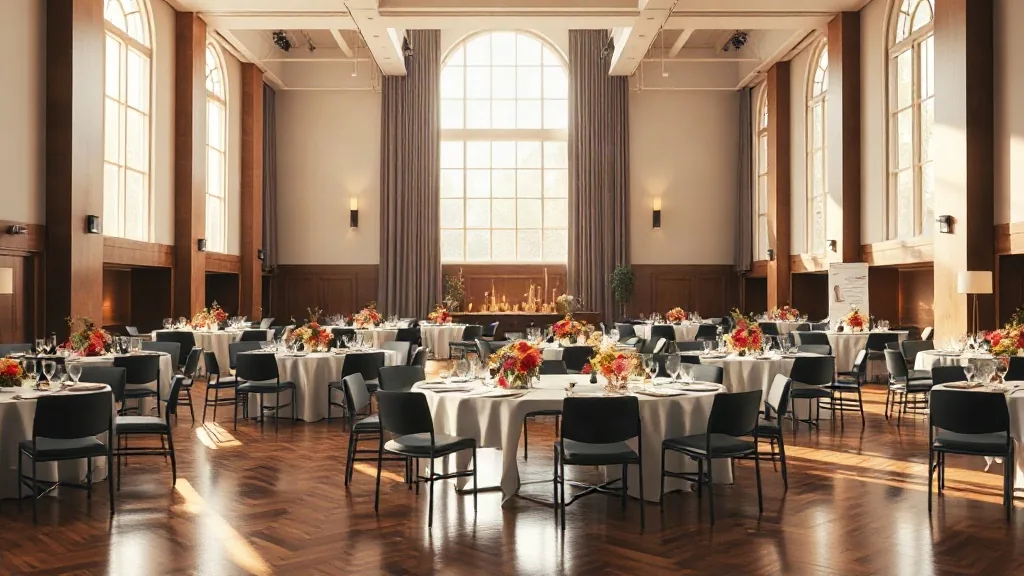
The problem is that you have a budget and a client who approved a specific number. You don’t need a 12-foot floral arch. You need 18 centerpieces and three accent pieces that look polished and fit the brand palette. A brief that makes that scope explicit prevents you from spending 30 minutes negotiating back down from a proposal you never asked for.
Item 1: Color palette with references
Give the florist three to five specific colors tied to the client’s brand standards. “Blue and white” is too vague. “Navy (Pantone 289 C), ivory, and sage green” is specific enough to source.
Add a caveat: if your client’s logo is a specific color, mention whether that color should dominate or accent. Florists who work corporate events regularly understand brand compliance. Those who primarily do weddings may not grasp why a healthcare company cannot use the same shade of pink as a competitor’s brand.
Include two or three reference images. A photo from a previous event or a competitor’s event that got the look right is worth 15 minutes of conversation.
Item 2: Arrangement size cap by table type
This is the most important item. Specify a maximum arrangement height and diameter for every table type in the event.
- 60-inch round dinner tables: centerpiece maximum 14 inches tall, 10-inch diameter. Guests across the table need to see each other during dinner. Anything taller breaks conversation.
- Cocktail high-tops: maximum 24 inches tall, 6-inch diameter, or a low 8-inch arrangement with height only on the center stem.
- Registration and check-in tables: accent piece only, maximum 6 inches tall. The arrangement cannot obstruct the credential check process.
- Head table: one exception allowed. Head table arrangements can go taller, up to 24 inches if they’re open-stemmed designs that don’t block sightlines.
Write these constraints in the brief before you send it. Florists who respect the brief will price within these parameters. Florists who come back with arrangements 30 inches tall at every dinner table are telling you something important about how the relationship will go.
Item 3: Total spend cap
Name a dollar figure. Not a range. A cap.
“The floral budget for this event is $6,000 including delivery, setup, and strike. Proposals over this amount will not be considered for this engagement.”
That sentence is direct and most planners are too polite to write it. It works. Florists who can deliver good work at your stated budget will quote within it. Those who cannot will tell you quickly, which saves you two rounds of revision on a proposal you’ll never accept.
Item 4: Centerpiece format
Tell the florist whether you want low arrangements, tall arrangements, statement arrangements at key tables only, or candle-and-greenery combinations instead of cut flowers. Each choice has a cost and an aesthetic implication.
Cut flower arrangements at 150 tables cost more than greenery and candle arrangements at the same tables, even if the two proposals look similar in scope. Florists sometimes substitute greenery for flowers without disclosure in a tight quote. If you want cut flowers, say so. If you’re flexible, say that too and ask them to show you the cost difference.
For events at historic mansions or country clubs where the venue already has significant ambient decor, minimal floral can read as intentional and sophisticated. For a blank-space industrial loft, florals carry more visual weight and may need a higher allocation. See floral and decor spend patterns by event type for typical spend ranges across different event categories.
Item 5: Delivery window and strike time
Give the florist a specific delivery window (e.g., “delivery and setup between 2pm and 4pm; event begins at 6pm”) and a strike time (“strike must be completed by midnight”). These windows affect pricing, particularly if your event runs late or the strike overlaps with another booking.
Some florists charge overtime for strike work after 10pm or 11pm. A midnight strike on a Friday at an event venue might add $150 to $400 to the base quote. Know this before you commit to the schedule.
Getting three quotes from the same brief
Send the same brief to three florists and compare the proposals on a simple matrix: centerpiece format, number of pieces, delivery and strike included, any additions beyond the scope you specified, and total price.
The florist who sticks closest to the scope you defined is usually the right choice, assuming the aesthetic quality is competitive. A florist who comes back with a $4,000 proposal that includes an entrance arch you didn’t ask for has not answered your brief; they’ve answered a different brief that they found more interesting.
For events at banquet halls where the venue has a preferred florist relationship, ask whether the preferred florist offers a competitive rate or whether you’re paying a referral premium. Some banquet hall preferred florists charge 25 to 40% above market rate because the relationship includes a revenue split. Knowing that upfront means you can either negotiate or choose an outside florist through the same approval process described in how to hire a caterer not on the venue’s preferred list.
What to do if the first proposal misses the brief
Every once in a while, a florist will submit a proposal that violates every item in your brief: wrong color palette, oversized arrangements, scope creep on all five items. When this happens, it usually means one of two things: the florist didn’t read the brief carefully, or they’re testing whether you’ll push back.
Call them before you reject the proposal. Ask them to walk you through their reasoning on the items that missed the brief. Sometimes the deviation is intentional and well-reasoned. A florist who says “I exceeded your height cap because the venue’s ceiling height at 18 feet makes 14 inches read as floor arrangements; I’d recommend 22 inches with open stems so guests still have sightlines” is giving you useful information. A florist who can’t explain why they ignored three of your five specifications is telling you something about how the engagement will go.
One revision on a missed brief is standard. Two revisions means the relationship isn’t working and you should move to the next florist on your list.
What’s your headcount, your event type, and your color palette? Share those and I can tell you what a realistic floral budget looks like and where the upsell risk is highest for your specific format.


