
How to Hire a Caterer Not on the Venue's Preferred List (Without Blowing the Relationship)
Most venue contracts give you a preferred caterer list and leave a small door open for outside vendors. That door has conditions: a kitchen approval, a certificate of insurance naming the venue, and sometimes a buyout fee. Here is how to get an outside caterer approved without antagonizing the venue or voiding your contract.

I’ve pushed for an outside caterer at a venue three times. Two of those times, the venue said yes. Once they said no, and I had not read the contract carefully enough to know I had no real leverage. The difference between the three situations came down to one thing: whether the contract used the word “exclusive” for the caterer relationship or just “preferred.”
Those are not the same word, and venues count on planners not knowing that.
Preferred versus exclusive: what the contract actually means
A “preferred caterer list” means the venue recommends these vendors and may offer them easier kitchen access, but it does not prohibit you from hiring someone else. A “preferred” designation is a relationship, not a restriction.
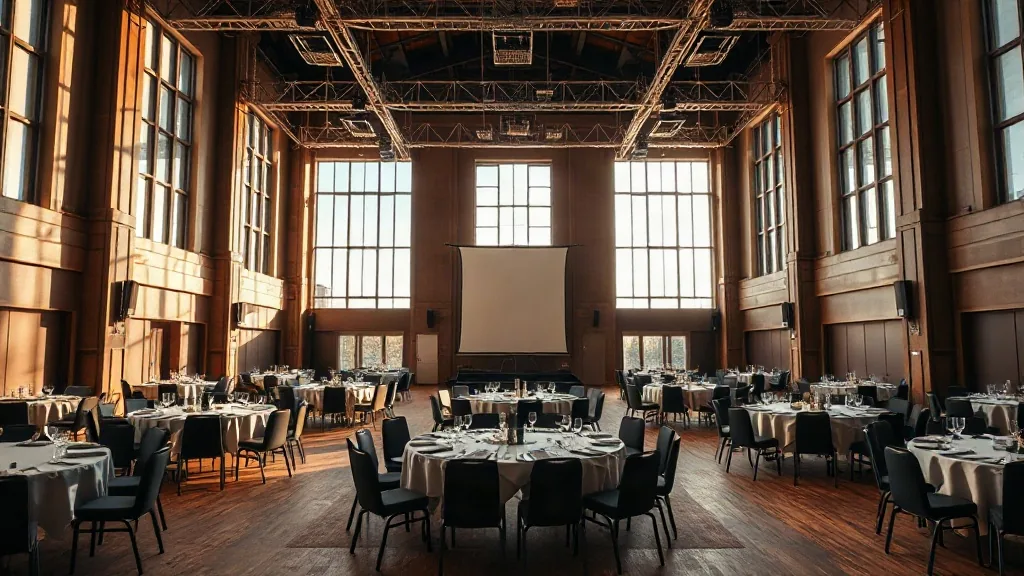
An “exclusive caterer” means the venue has contracted with that vendor and you cannot bring in an outside caterer without breaching the agreement. Some exclusive relationships run venue-wide; others apply only to specific meal types (breakfast and lunch exclusive, dinner open).
Before you start the approval process, find the exact language. Look for “exclusive,” “sole provider,” “only licensed,” or “required use.” If none of those phrases appear, you have room to negotiate. If any of them appear, read the entire clause before you do anything else. Some exclusive agreements have a buyout provision. The Ritz-Carlton properties I’ve worked with charge a $10-18 per-head facility fee if you bring an outside caterer to a preferred-list event. That’s not ideal, but it’s not a no.
Why planners want outside caterers in the first place
There are three common reasons. First, a client has an existing relationship with a caterer who knows their dietary database and executive preferences. For healthcare clients, that continuity matters at every event. Second, the preferred caterers at a specific venue are simply not good enough for the event you’re producing. Some suburban hotel properties have weak preferred caterer relationships and below-average food quality. Third, the pricing gap is real. Preferred caterers at boutique venues often charge 20-35% more than the same caterer would charge at a standalone event, because the venue relationship comes with a referral arrangement.
None of these reasons are secrets. Venue sales managers know them. The approval conversation goes better when you’re direct about why you want to use someone else.
The approval process, step by step
Step 1: Ask during the site visit, not after signing.
This is the single most important thing. Asking for an outside caterer after you’ve signed gives you no leverage. Asking during negotiation, before you’ve committed, gives you everything. Frame it as a condition of signing: “We have a long-standing caterer relationship we’d like to bring in. What’s the approval process for that?”
Step 2: Get the kitchen specifications.
Every venue has requirements for commercial kitchens: hood ventilation, three-compartment sinks, health department license. Ask the venue coordinator to send you the kitchen spec sheet and the list of equipment available to outside caterers. Some venues offer full use of in-house kitchen equipment; others require outside caterers to bring their own.
Your outside caterer needs to see this document before they confirm they can work the venue. I had a caterer drop out at week minus three because the venue’s kitchen lacked a convection oven and she hadn’t confirmed that upfront. We scrambled to rent a commercial trailer. The trailer cost $1,400.
Step 3: Request the venue’s COI requirements in writing.
Most venues that allow outside caterers require the caterer to carry $1-2 million in general liability, with the venue named as additionally insured. Some require liquor liability if the caterer is also handling bar service. The COI requirements should come from the venue’s events coordinator, not from the caterer’s standard certificate template.
Send the venue’s exact COI language to your caterer’s insurance broker. Outside caterers who work events frequently can add additional insured endorsements for $75-200. If your caterer hasn’t done this before, budget an extra week for the paperwork.
Step 4: Negotiate the outside caterer fee if there is one.
If the venue charges a facility or kitchen access fee for outside caterers, ask whether it’s per-head or flat, and whether it includes cleanup or you’re absorbing that cost. Flat fees ($500-2,500) are easier to budget than per-head fees ($8-20) when your headcount is locked.
In two of my three cases, the outside caterer fee was negotiable. I traded a verbal commitment to book a second event in the same calendar year, and the venue waived the fee both times. That trade only works if you have a second event in the pipeline. If you don’t, a small social media feature or a venue testimonial can work instead.
Step 5: Run a kitchen walk-through with your caterer before the event day.
Get your caterer into the venue kitchen at least 10 days before the event. They need to see where the loading dock is, confirm equipment availability, meet the in-house facilities contact, and understand the shared kitchen rules if there’s a house F&B team still operating during your event.
One venue I worked with had an in-house breakfast service running until 11am on the day of my event. My outside caterer needed access starting at 10am. Nobody had told me about the breakfast conflict. The walk-through surfaced it. We adjusted the load-in to 10:30am and added a runner to get the cold prep done offsite.
What makes the approval more likely to succeed
The venues most likely to approve an outside caterer are standalone lofts, warehouse venues, and independent event spaces that don’t have a strong in-house F&B program. Browse warehouse venues and loft and industrial spaces in your city, and you’ll find most of them explicitly offer bring-your-own-caterer flexibility in their rental terms.

Hotel ballrooms and resort properties are the hardest. Their catering operations are revenue centers, and they protect them. If you’re working with a hotel or resort property, read more on how room blocks and catering minimums connect in how to book a hotel or resort for a corporate event.
The relationship piece
The venue relationship you’re worried about protecting is real. The way you protect it is by being transparent from the start, following every approval step correctly, and making sure your outside caterer treats the kitchen better than they found it.
Venues remember caterers who leave a mess, not planners who asked politely for an outside option. If your caterer is professional and the kitchen inspection passes cleanly, the venue sales manager will book you again. That’s the outcome you’re managing toward.
What’s your headcount, your catering brief, and the city you’re working in? Those details will tell you whether an outside caterer is worth the effort or whether you’re better off negotiating the preferred caterer’s menu directly.


