
How to Manage 6 Vendors at a Single Event Without a Production Manager
A production manager coordinates the vendors at a corporate event so the planner doesn't have to. They cost $1,500 to $3,500 for a single-day event. At that price point, many mid-size corporate events skip the role and leave the planner holding every vendor relationship simultaneously. Here is the coordination layer that replaces a production manager: the shared contact sheet, the load-in timeline, and the escalation protocol.

A production manager’s primary value is not creative expertise. It’s information management. They know where every vendor is during load-in, who owns each decision, and what the escalation path is when something breaks. They carry that information so the planner can be with the client, not standing at the loading dock.
You can replace most of that function with a system. Not all of it. But most of it.
The six vendors who need coordination at a typical 150 to 300-person corporate event
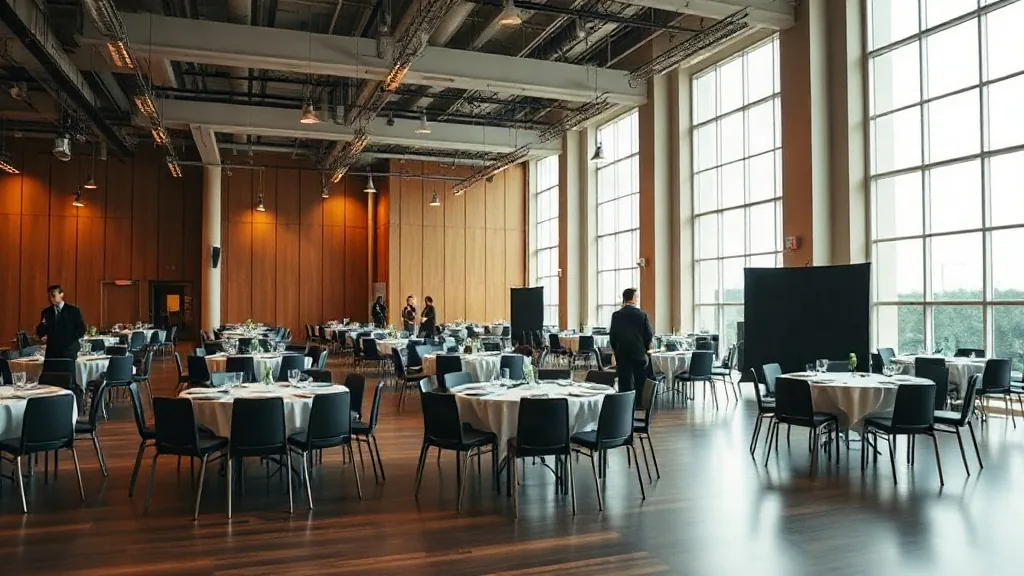
For a gala dinner or conference in a standalone event space, the vendor list typically includes: AV company, catering company, florist, transportation company, photographer, and security. A more complex event adds a production company, a DMC, entertainment, or specialty rentals. Keep the list to six or under without a production manager.
Every vendor below six can be managed by one planner with a clear system. Seven or more creates a coordination load that produces errors without dedicated management.
The shared contact sheet
This is a single document, distributed to every vendor 5 business days before the event. It contains:
Event name, venue address, and event date. Not just the date. Include the load-in start time, the event start time, and the event end time.
Every vendor’s on-site contact name and mobile number. Not the office or the account manager. The person who will be physically at the venue.
The venue coordinator’s name and mobile number. This is who vendors call if they have an access or facility question. It’s not the planner.
The planner’s mobile number. This is who vendors call when there’s a decision that needs the planner’s authority.
Two escalation levels: For routine questions, call the venue coordinator. For decisions that affect the schedule, guest experience, or budget, call the planner directly.
This document costs you 20 minutes to build and prevents 4 to 8 phone calls on event day where vendors are calling each other instead of the right contact.
The load-in timeline
Every vendor needs to know their access window. The timeline is a simple table: arrival time, vendor name, location, and duration.
A sample load-in timeline for a 6pm gala dinner at a warehouse venue with a noon access window:
| Time | Vendor | Location | Duration |
|---|---|---|---|
| 12:00pm | Furniture rental | Loading dock | 90 min |
| 1:30pm | AV company | Main hall | 3 hours |
| 2:00pm | Florist | Main hall (after furniture placed) | 90 min |
| 3:30pm | Catering company | Kitchen and dining room | 2 hours |
| 4:30pm | Photographer | Main hall | pre-event setup |
| 5:00pm | Security | Entrance | 1 hour before doors |
| 6:00pm | Doors open | All areas | - |
The AV company starts after furniture is placed because running cable before tables are set creates a re-routing problem. The florist starts after the AV company has rough positions confirmed, because centerpieces need to go on tables that won’t be moved. Catering starts after the florist has access to the table tops.
That sequencing is not obvious. Vendors who don’t know it will arrive out of order and step on each other. The timeline makes the sequence explicit and gives each vendor a boundary.
Send the timeline to every vendor with the contact sheet. Confirm receipt from every vendor.
The pre-event vendor briefing call
This is a 30-minute call held 5 to 7 days before the event with all vendors on a conference line or video call. It is not optional for events with six vendors and no production manager.

The agenda: walk through the load-in timeline, confirm each vendor’s arrival window and contact name, surface any schedule conflicts, and review escalation protocol. The call takes 30 minutes and resolves 80% of the day-of surprises.
Specific discussion points to cover: What happens if a vendor is delayed? (They call the planner immediately and the planner calls the venue to adjust dock access.) What happens if a vendor needs more time than their window allows? (Same escalation.) Who unlocks the loading dock and who has authority to extend a vendor’s time window? (The venue coordinator.)
For a detailed agenda and script for this call, see the pre-event vendor briefing that prevents 80% of day-of problems.
The escalation protocol for event day
On event day, three types of situations require a decision:
Equipment or setup issues: AV can’t get a signal, catering needs to adjust the table count, the florist’s delivery arrives 45 minutes late. These go to the planner directly. The planner has authority to adjust the schedule within pre-established bounds.
Vendor conflicts: Two vendors need the same dock access at the same time, or a caterer needs the AV team to move a cable run before they can set the bar. These go to the venue coordinator first, the planner if the venue coordinator can’t resolve it in 10 minutes.
Guest-facing issues: A guest is in the wrong seat, a dietary restriction wasn’t communicated to the caterer, a VIP arrived early and the room isn’t open. These go directly to the planner. Do not give guests a vendor’s contact. The planner is the single point of contact for guests.
Write these three categories on a physical card and give one to every vendor on load-in morning. Vendors who know exactly what to escalate and to whom make fewer bad decisions independently.
When you actually do need a production manager
For blank-space events with more than seven vendors, any event where the load-in is less than 3 hours, events with a live broadcast component, and any event where the planner also has client-facing responsibilities during load-in that prevent them from being at the loading dock. In those cases, a production manager at $1,500 to $3,500 is a budget-protective hire, not a luxury.
Warehouse venues and industrial lofts require the highest coordination overhead because nothing comes with the space. If you’re producing an event at a warehouse venue or a loft or industrial space, the production manager decision deserves serious consideration.
What’s your vendor count, your venue type, and your load-in window? Send me those details and I can tell you whether the self-managed coordination system will hold or whether you need a production manager to avoid a $6,000 mistake on event day.


