
I stopped booking hotel ballrooms and my events got better
After a decade defaulting to hotel ballrooms for corporate dinners and all-hands, I switched to lofts, restaurants, and independent venues. Attendance held, budgets dropped, and the feedback changed. Here is what I gave up and what I gained.
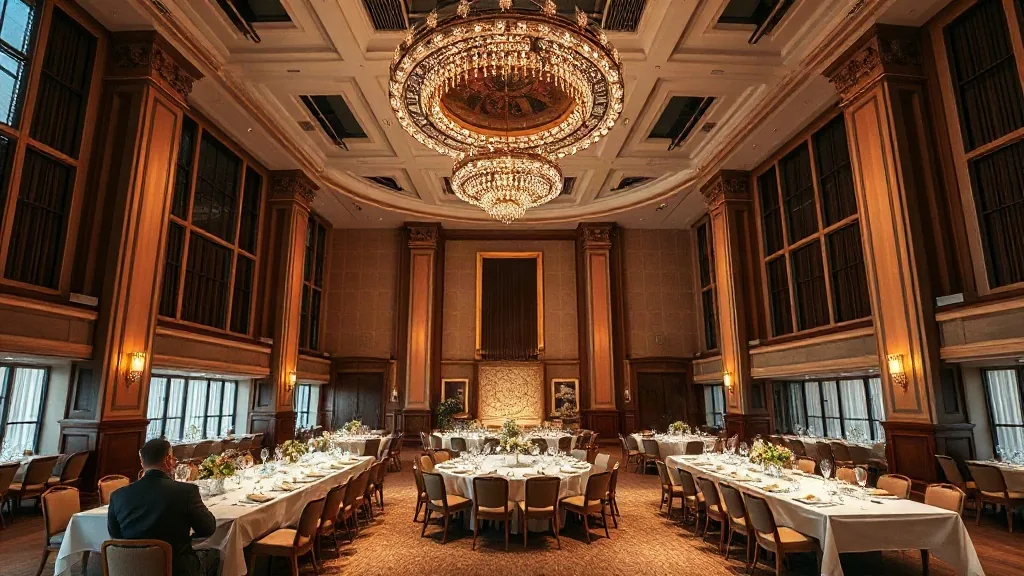
The invoice that broke the habit was $47,000 for a 160-person client appreciation dinner in a hotel ballroom, and $9,200 of it was a service charge on food I could have bought for half the menu price. Same beige carpet, same air-wall seam down the middle of the room, same chandelier I’d sat under at three other events that year. My client’s guests told me it was nice. Nobody told me it was memorable. For a decade I booked ballrooms because they were the safe default. That dinner was the last one.
I plan mostly for healthcare and finance clients in Florida, and those industries are conservative about venue choice for reasons that are real: compliance, optics, the fear that a “creative” space reads as frivolous to a board. So I want to be careful. I didn’t stop booking ballrooms because they’re bad. I stopped because I was choosing them out of habit, not fit, and the habit was costing my clients money and costing the events their character.
What the ballroom was actually charging me for
A hotel ballroom is not renting you a room. It is renting you a revenue package, and the room is the loss leader. The rental line looked reasonable at $6,500. The margin lived in the food and beverage minimum ($28,000 that event), the 24 to 26 percent service charge stacked on top of the F&B and often on the rental too, the $9 coffee, the $95 per gallon lemonade, and the AV desk that quoted $1,400 for a projector and a screen I could rent down the street for $300. None of those lines is negotiable once you’re inside the hotel’s model, because the low room rate is the bait and the ancillaries are the whole business.
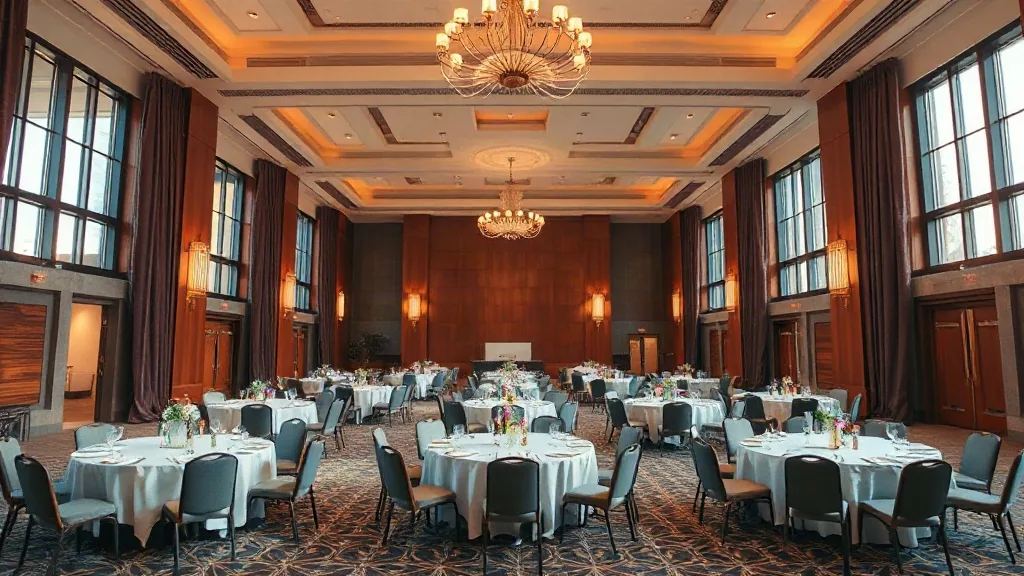
When I priced the same 160-person dinner at an independent event venue with an outside caterer, the food came in at $92 a head instead of the hotel’s $135, the service charge was 18 percent instead of 25, and I brought my own AV. The total landed near $31,000. Same guest count, same three courses, better room. I had left roughly $16,000 on the table every time I defaulted to the hotel, and I’d been doing it for years.
The things I genuinely gave up
I want to be honest about the tradeoffs, because they are real and a couple of them have bitten me. The hotel ballroom is a machine that has run 10,000 dinners. Independent venues have not. Here is what you lose.
You lose the built-in kitchen. Most lofts and galleries have a catering prep area, not a working kitchen, which means your caterer is finishing or reheating, not cooking from raw. For a plated hot dinner over 150 people that’s a real constraint, and I’ve had to talk a chef out of a menu the prep space couldn’t support. You lose the room block convenience, so out-of-town guests aren’t sleeping upstairs and you’re arranging transport or a nearby hotel. You lose the single point of contact who owns every problem; at an independent venue you are the general contractor, coordinating the space, the caterer, the rentals, and the AV as separate vendors. And you lose the weather insurance of being fully indoors with backup space, which matters when I’m planning in Florida in August.
Those are not small. For a high-stakes board dinner where something going sideways is unacceptable, I still sometimes choose the hotel on purpose, and I don’t apologize for it.
What I gained that the survey scores showed
The gains were bigger than I expected, and they showed up in the post-event feedback, not just the budget. Attendance held. I worried that a less convenient location would cost me heads, and across the first eight events after the switch, RSVP-to-attendance stayed within a point of my ballroom average. People will drive 20 extra minutes for a room they actually want to be in.
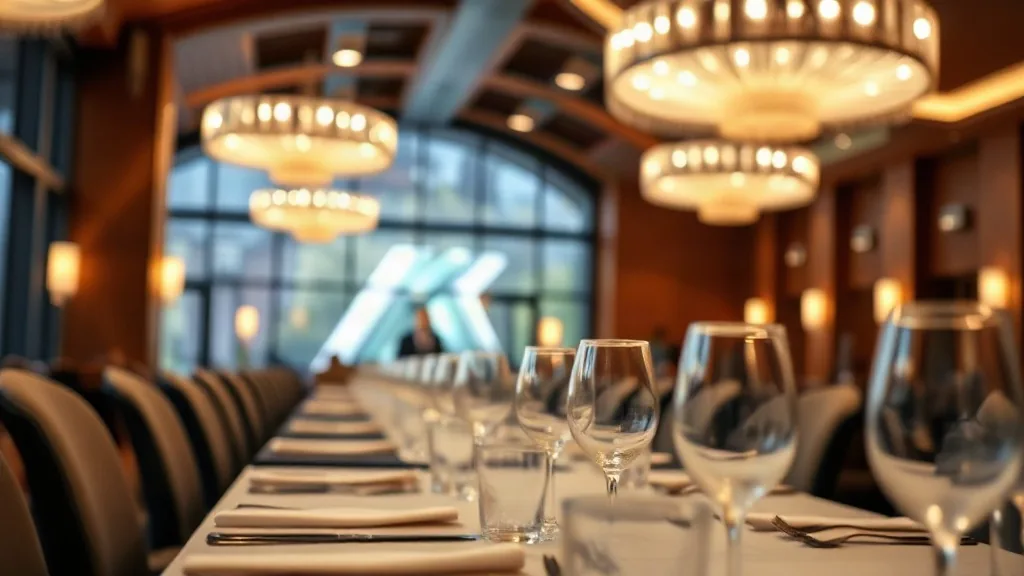
The rooms photographed. My finance clients started using the event images in recruiting decks, which never happened with the ballroom shots. The food got better because I could hire the caterer I wanted instead of eating whatever the hotel banquet kitchen produced at volume. And the per-head cost dropping 20 to 30 percent meant I could put money into the parts guests notice: a better bar, a real dessert, a small live element, instead of feeding the service-charge machine.
The compliance worry, the one that kept me booking ballrooms for a decade, turned out to be smaller than I feared. My healthcare clients still had their needs met at independent venues: private rooms for confidential conversations, controlled guest lists, name badges, a security presence when the guest list called for it. A loft or a gallery does not read as frivolous to a board when the event is run tightly and the room is dignified. What reads as frivolous is a bad event, and a bad event happens just as easily under a chandelier. The venue type was never the risk. The execution always was.
How I choose now
I still start with the brief, not the venue. For a 200-person all-hands where people need to see slides and hear a CEO, I want a room with good sightlines and controllable sound, and honestly a converted warehouse or a purpose-built event space often beats the ballroom on both. For a client reception where the whole point is the room feeling like somewhere, I look at lofts, restaurants with private dining, and galleries first. For a multi-day conference with 300 out-of-town attendees, the hotel or resort with a room block still wins, because the logistics it solves are worth the premium.
The tell that I’m about to make the old mistake is when I catch myself booking a ballroom because it’s easy, not because it fits. Easy is a real value when I’m running six events at once. But easy has a price, and for years I was paying it without doing the math.
One habit that helped me choose better: I try to experience the property the way a guest will. I’ve written before about how much you learn when you book the room and actually sleep in the hotel before you commit a client’s event to it. The same instinct applies to independent spaces. Eat the caterer’s food at a tasting, stand in the empty room at the hour your event will run, and listen to how the sound behaves. And if you want a running list of spaces that deliver character without the hotel feel, the venues that don’t feel like a hotel roundup is where I keep starting.
If you’re deciding between a ballroom and something with more character, tell me your headcount, whether guests are traveling in, and whether the event lives or dies on slides and sound. Those three answers tell me which way I’d push you, and roughly how much the switch would save.


